The Impact of AI Reliance: Unveiling the ChatGPT Dependency
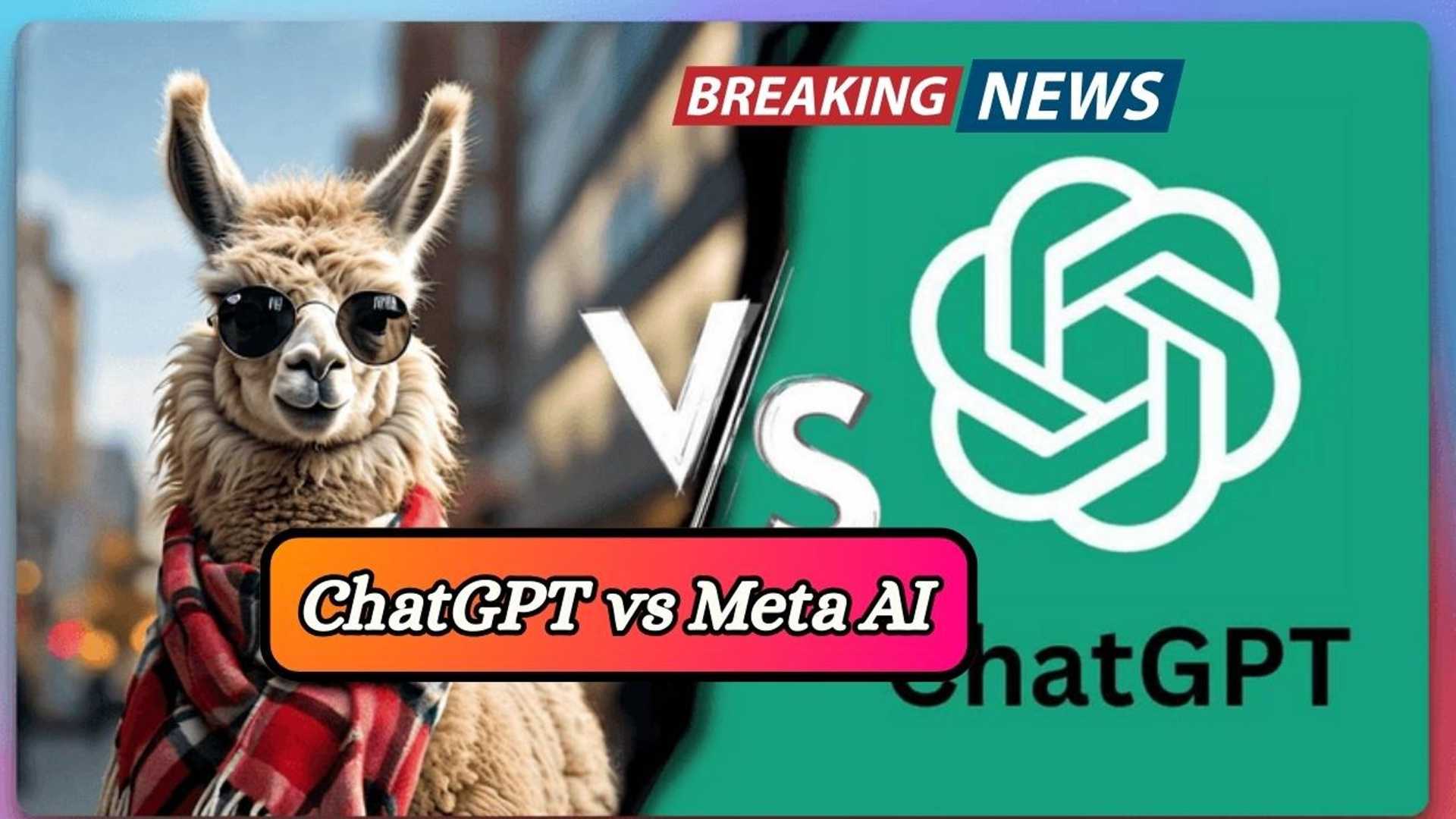
With over 400 million users engaging with ChatGPT on a weekly basis, the concept of 'ChatGPT Dependency' has surfaced as a critical concern. Are we excessively relying on AI to navigate through our day-to-day challenges? As the reliance on this groundbreaking tool continues to escalate, apprehensions regarding its influence on our critical thinking abilities have also heightened.
In our increasingly digitalized world, the appeal of Artificial Intelligence is undeniable. Every week, more than 400 million individuals turn to ChatGPT for solutions, inspiration, and even companionship. This massive usage underscores the tool's adaptability and the upward trajectory of AI dependency. However, as we embrace this technological wonder, it's crucial to contemplate the potential ramifications of ChatGPT Dependency. Is the ease of AI overshadowing our inherent problem-solving skills?
The Thin Line Between Tool and Crutch
While ChatGPT proves to be a remarkable aid across various tasks, the distinction between a helpful tool and a crutch is quite fragile. With an increasing number of individuals relying on AI for everything from content creation to decision-making, the peril of diminishing critical thinking skills looms ominously. The subtle erosion of our ability to brainstorm independently is a consequence of ChatGPT Dependency, transforming us into passive recipients of AI-generated content instead of active creators.

The Impact on Creativity
As AI's presence in our daily lives expands, concerns regarding its effect on creativity come to the forefront. When users start depending on AI for idea generation, the risk of standardization and a decline in unique, human-generated creativity becomes prominent. ChatGPT Dependency might lead us to undervalue the significance of original thought, as we become accustomed to AI-driven solutions that lack the nuanced comprehension of human emotions and context.
Fostering a Balanced Relationship with AI
To leverage the benefits of AI without succumbing to its drawbacks, cultivating awareness is paramount. Recognizing the signs of ChatGPT Dependency marks the initial stride towards maintaining a harmonious usage of AI. Encouraging a hybrid approach, where AI acts as a support rather than a substitute for human judgment, can nurture a healthier bond with technology. This equilibrium guarantees that AI remains a valuable asset rather than a surrogate for human intelligence.
As the integration of AI becomes more profound, it is essential to stay vigilant about its impact on our lives. Establishing a balance between harnessing AI's capabilities and fostering personal skills will shield against the perils of ChatGPT Dependency. Embracing AI responsibly enables us to relish its advantages while safeguarding the essence of human creativity and problem-solving.