Princeton, stop using ChatGPT - The Princetonian
It’s always fascinating to hear the varied policies and opinions that professors have on ChatGPT. Some strictly prohibit its use, while others allow it with proper disclosure. However, research indicates that Americans, especially college-educated individuals, are increasingly turning to generative AI software like ChatGPT for various purposes.
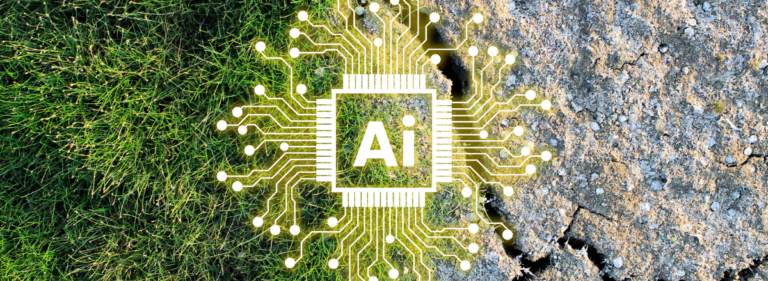
While it can be amusing to engage with an AI chatbot and generate absurd content, the overreliance on ChatGPT can have negative consequences. Not only is it detrimental to the environment, but it also poses risks to our cognitive abilities and hampers genuine educational growth.
The Downside of Using ChatGPT
Many of the uses of ChatGPT are merely replicas of tasks that can be accomplished through traditional means. From seeking relationship advice to summarizing readings for class, the reliance on AI diminishes the value of personal effort and interaction. By outsourcing our questions and problems to machines, we undermine the very skills that Princeton aims to cultivate in its students.
Even within the Princeton community, the negative impacts of generative AI are evident. Platforms like the TigerApp, Tay, claim to offer comprehensive information on academic matters and campus events. However, relying on such tools for essential advice and recommendations disregards the wealth of knowledge and support available within our social circles.
The Risks and Consequences
Studies have shown that a significant percentage of responses generated by ChatGPT are inaccurate, highlighting the potential dangers of blind trust in AI. Moreover, excessive use of AI chatbots can impede critical thinking skills and deprive individuals of the mental exercise required for independent thought and analysis.

Furthermore, the environmental cost of using ChatGPT is substantial, with data centers consuming significant resources to power these tools. From water consumption to electricity usage, the environmental footprint of AI technologies is a cause for concern.
Limiting Our Reliance on ChatGPT
Given the adverse effects of generative AI on the environment, cognitive abilities, and overall learning, it is imperative for individuals, particularly Princeton students, to reduce their dependency on such tools. While occasional use for entertainment or specific queries may be acceptable, habitually relying on ChatGPT for various tasks is counterproductive.
As members of a prestigious educational institution, we possess the intellect and resources to seek knowledge through conventional methods. Embracing critical thinking and engaging with information independently not only enhances our cognitive faculties but also fosters a deeper understanding of the world around us.