FBI And Google Report Alarming Spy Threats Amid AI Exploitation
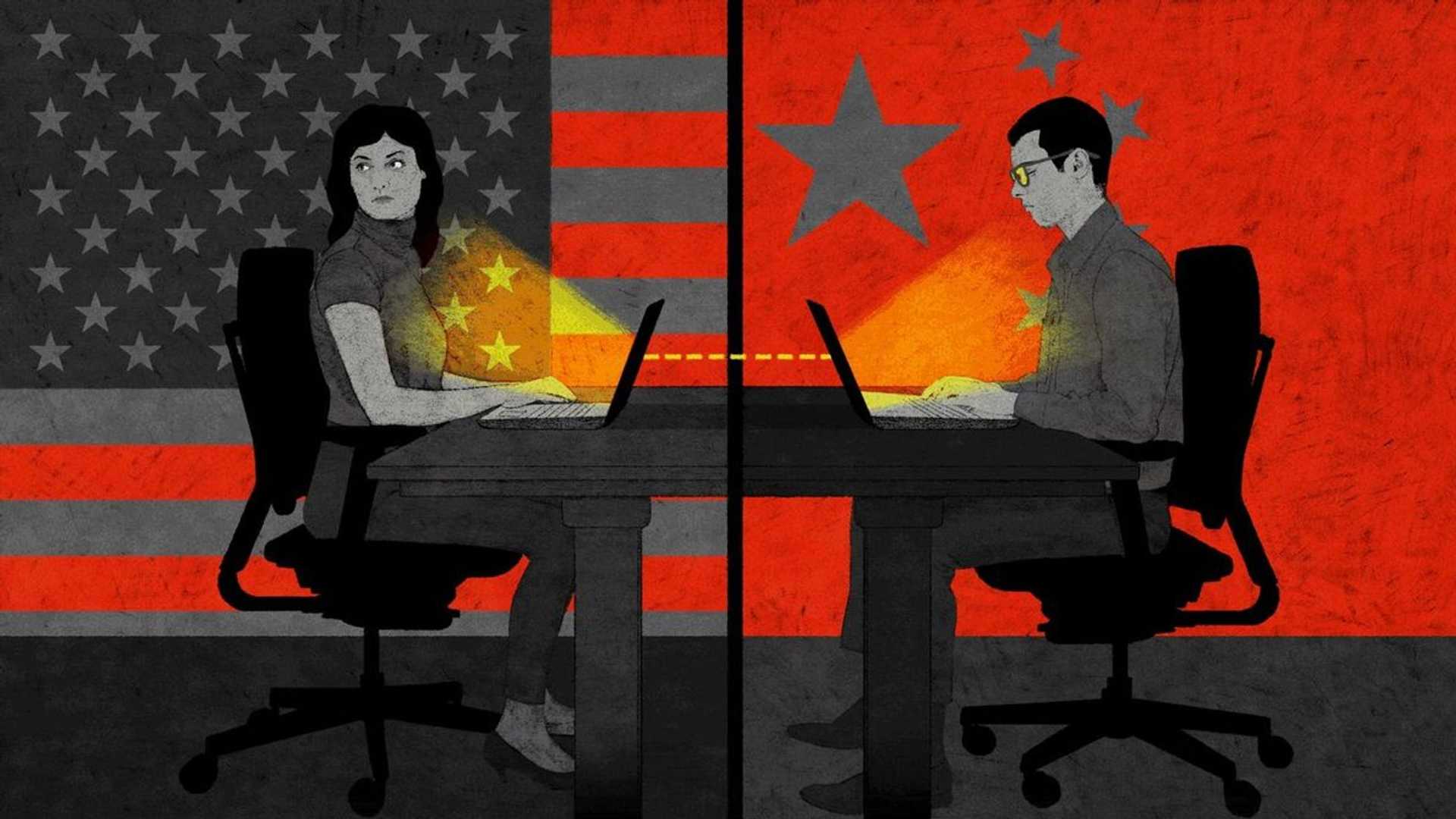
The concerns over global cyber espionage have reached new heights as authorities reveal extensive and alarming activities tied to state-sponsored actors. The FBI is currently investigating thousands of incidents linked to Chinese intelligence, marking China as its top counterintelligence target. With every one of the agency's 56 field offices involved, the scale of these investigations indicates the seriousness of the threats posed by the Chinese government to American interests.
The FBI acknowledges the challenging nature of their counterintelligence operations against Chinese intelligence, highlighting the need for protection from these threats.

According to the FBI, China is committing various activities aimed at stealing American secrets and influencing public opinion and policy. These operations involve widespread hacking, espionage to obtain sensitive trade and military secrets, and elaborate influence campaigns utilizing social media and misinformation tactics. For example, the FBI reported extensively on cases where Chinese operatives have targeted individuals such as government employees and business leaders to gain access to this sensitive information.
Challenges Faced by the FBI
On Feb. 1, 2025, the FBI acknowledged their counterintelligence operations' challenging nature, stating, "The FBI is working to protect the United States from the threat of Chinese intelligence." This is particularly poignant as investigators continue encountering new cases daily, underscoring the breadth and persistence of these intelligence efforts.
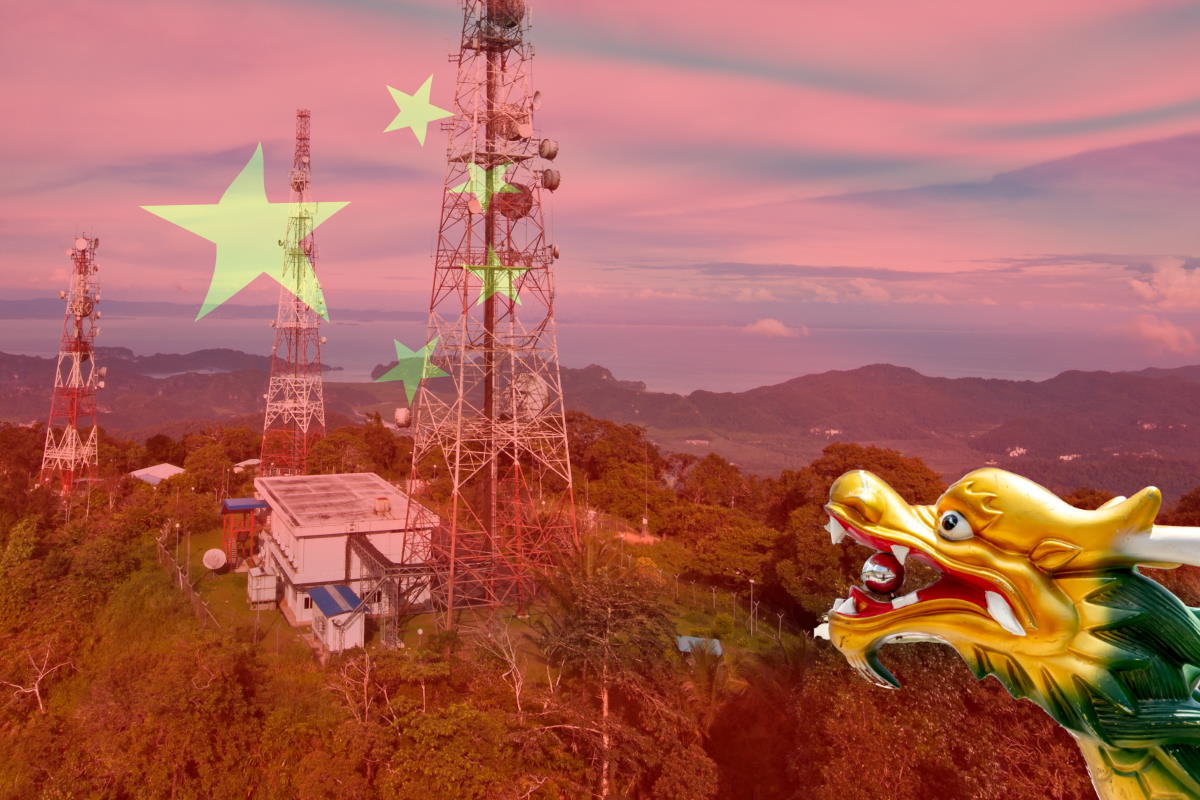
Meanwhile, similar concerns were reflected across the Pacific with the recent arrest of several Chinese nationals suspected of espionage activities in the Philippines. The National Bureau of Investigation reported the detention of five individuals who allegedly surveilled coastal facilities, posing as tourists at seaside resorts. Philippine President Ferdinand Marcos Jr. expressed his discontent, declaring: "We are very disturbed by anyone conducting such espionage operations against our military," signaling how deeply entrenched these networks may be.
AI Exploitation by State-Backed Hackers
Adding to the global narrative of espionage is the unsettling exploitation of artificial intelligence technologies by state-backed hackers. Google’s Threat Intelligence Group recently uncovered alarming activities where hackers from countries like Iran and North Korea manipulated its Gemini AI platform. Much of this exploitation involved simplistic strategies such as phishing attempts and reconnaissance, raising concerns over the sophistication of these cyber actors.

Specifically, the report revealed Iran's APT42 group was responsible for about 75% of misuse attempts involving Gemini AI, often crafting phishing content to deceive potential victims. The insights showed how state-sponsored hackers have leveraged AI not only to conduct cyber attacks but to analyze vulnerabilities within major systems like those of the U.S. government and corporations.
Beyond phishing, cyber units from China and North Korea have been engaged in using AI methods for much more targeted espionage efforts, such as creating deceptive job applications to bait for military and nuclear information. Google indicated its AI systems' defenses have, so far, blocked serious threats, including attempts to generate harmful malware.
Ensuring Cybersecurity
With this convergence of espionage methods ranging from human surveillance to cyber infiltration, the risks to national and economic security are mounting. Although tech companies like Google are implementing safety measures to block rampant hacking attempts, the need for comprehensive security practices is ever more pressing.
Experts suggest individuals and organizations remain vigilant, ensuring they follow best practices in cybersecurity. Suggestions such as employing strong passwords, maintaining updated software, and being cautious of unsolicited emails are becoming increasingly important as the digital threat environment evolves.
These intertwined stories of espionage and technological exploitation reinforce the need for awareness and action against sophisticated adversaries aided by state support. Without collective vigilance from authorities and individuals alike, the risk posed by these threats can only grow.