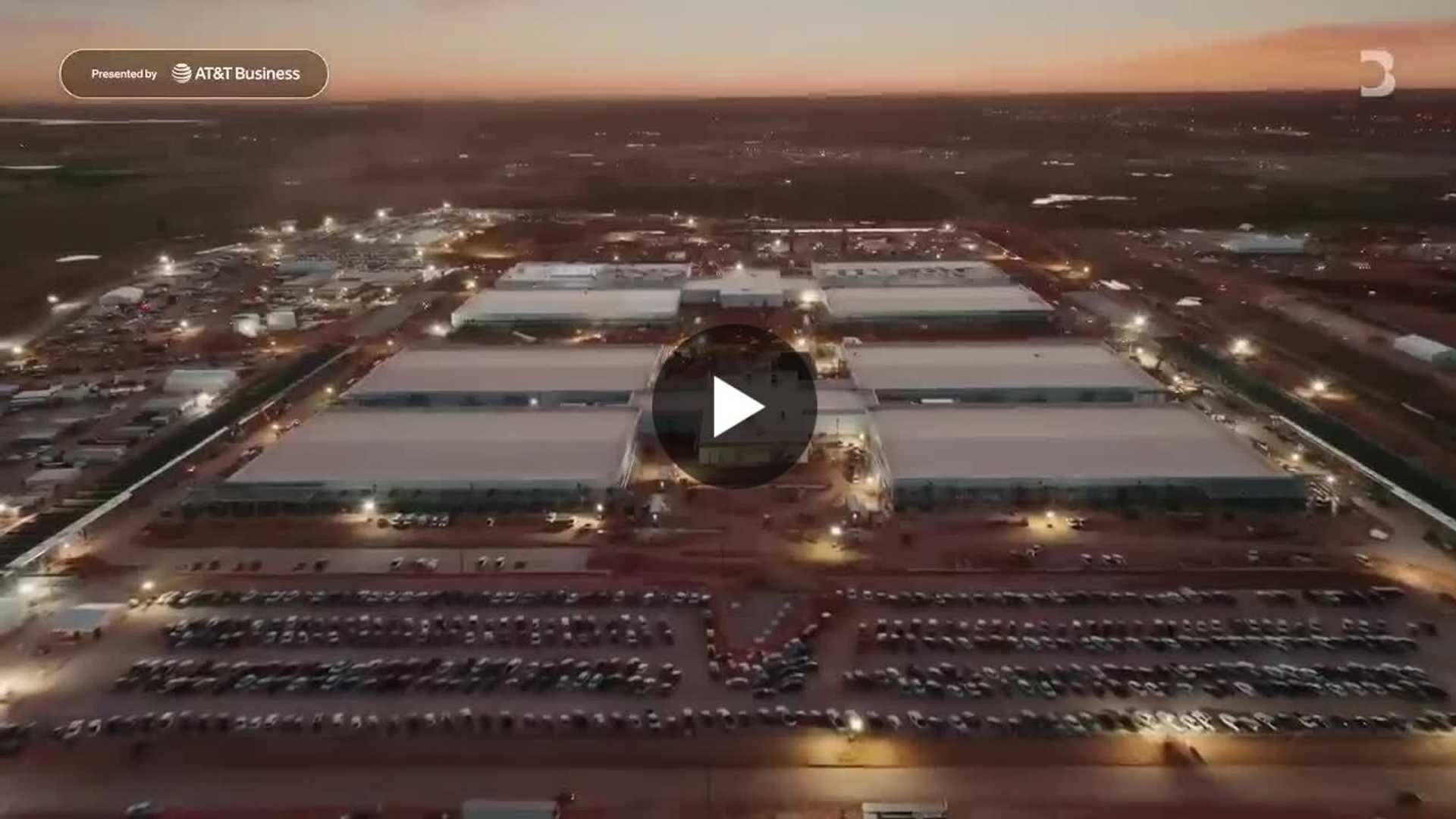
AI is getting grounded. Literally.
We often think of artificial intelligence as something abstract. You type into ChatGPT, get a response, and move on. It feels instant, invisible, almost weightless.
But the reality is different. AI is physical. And it is expanding fast.
Behind every interaction lies an enormous amount of infrastructure: huge data centres, millions of chips, cooling systems, dedicated power supplies and water pipelines. AI doesn’t live in the cloud. It lives in the real world, and it has an appetite.
As models grow in size and usage continues to surge, the demand for compute, energy and land keeps rising. Even with improved efficiency, the scale of global training, queries and deployments means growth is only accelerating.
Stargate: A Game Changer in AI Infrastructure
Enter Stargate, one of the largest AI infrastructure initiatives in history.
Led by OpenAI, Oracle and SoftBank, Stargate will create a global network of AI megafactories. The figures are extraordinary:
- Over $500 billion in total investment
- 400,000 Nvidia GB200 GPUs at the first site in Abilene, Texas
- Oracle alone is investing $40 billion into chip infrastructure
- Additional locations are confirmed in Abu Dhabi, with others being explored across Japan, South Korea, India, Singapore and Australia
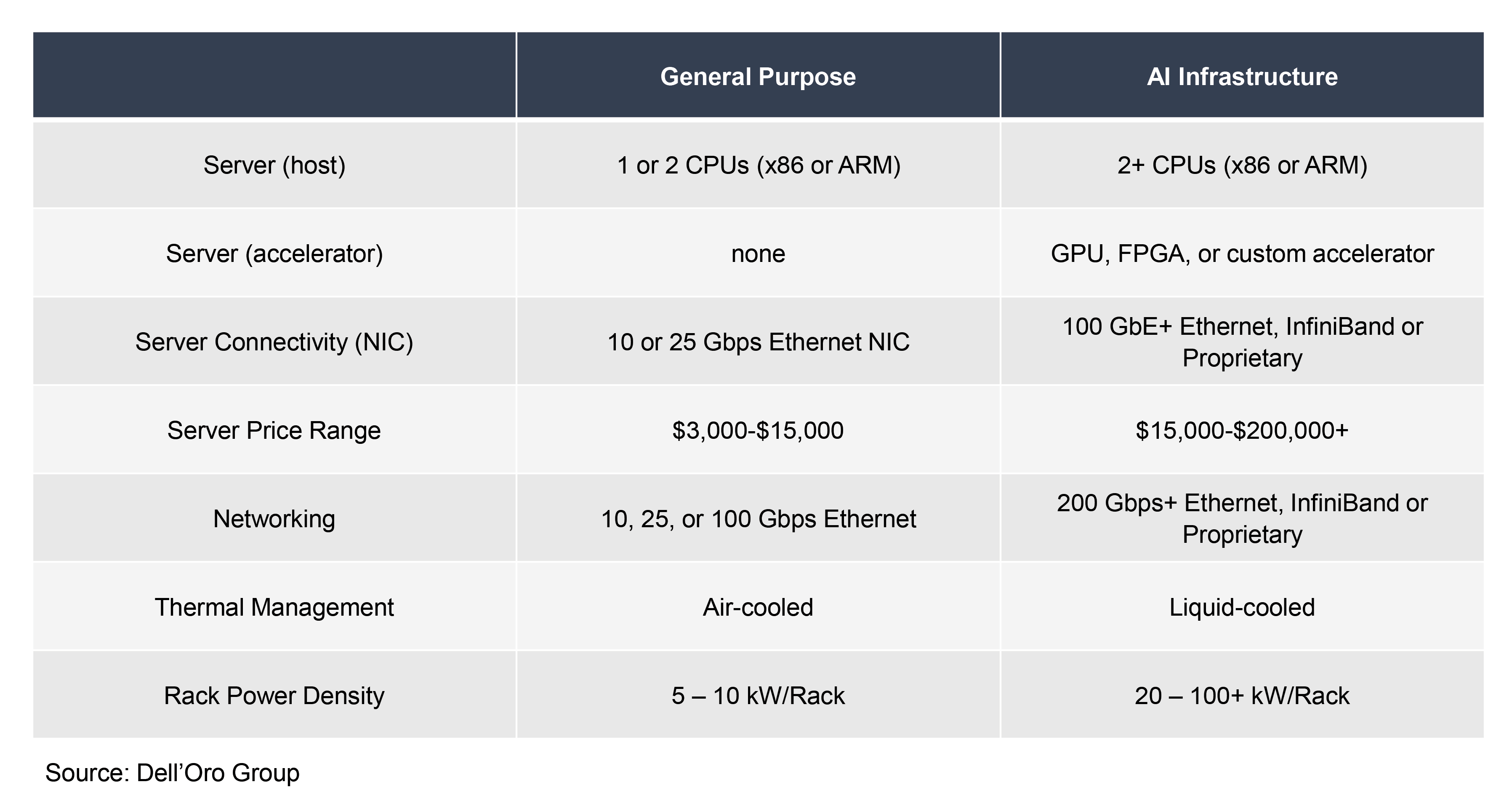
OpenAI has announced plans for up to 10 sites worldwide, with 16 U.S. states already under consideration.
This is the foundation for the next era of intelligence. Physical infrastructure is becoming just as important as model architecture.
The same way fibre networks enabled the internet and motorways enabled trade, this will enable machine intelligence on a planetary scale.
The Shift towards Physical AI Infrastructure
Just like our traditional computer systems, when AI becomes tangible, it becomes a real thing.

Like a location on a map.
This development goes beyond OpenAI alone. It marks a significant milestone in the AI industry, potentially ushering in the 4th industrial revolution at scale.
AI’s hunger for resources and its ability to build empires through mega electric plants raises questions about the ownership of AI mega factories in the future.

This isn’t just AI expansion — it’s a new industrial revolution. Intelligence is going physical, and the world will be rebuilt around it.
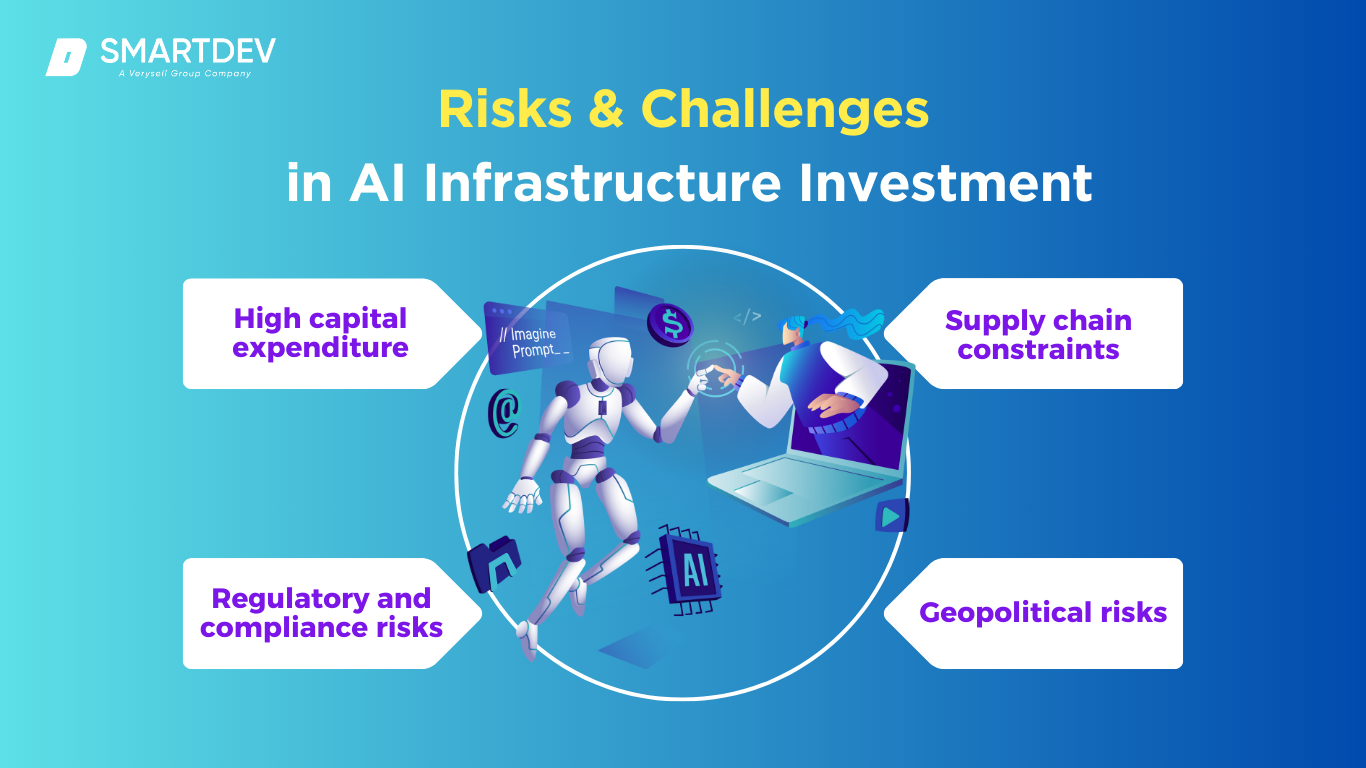
Challenges and Considerations in AI Infrastructure Investment
Despite the staggering scale of investments in infrastructure like Stargate, questions arise about the strategic implications and potential inefficiencies.
Decision-makers need to consider factors such as:
- Does your use case truly require planetary-scale compute?
- Have you quantified the operational risk of depending on centralized megafactories?
- What’s your exit cost when the next architecture shift makes these investments obsolete?
While massive infrastructure projects may seem like a step forward, history shows that technological paradigms can shift rapidly, rendering large investments inefficient in the long run.
Instead of blindly chasing hyperscale, a smarter approach involves:
- Demanding smaller, specialized models that cut compute needs significantly
- Pushing for true energy efficiency metrics from vendors
- Architecting for edge computing to optimize data processing
Adopting a more agile mindset and redirecting a portion of AI budgets towards efficiency research and development can foster innovation and adaptability in the rapidly evolving AI landscape.
#AIInfrastructure #SustainableCompute








