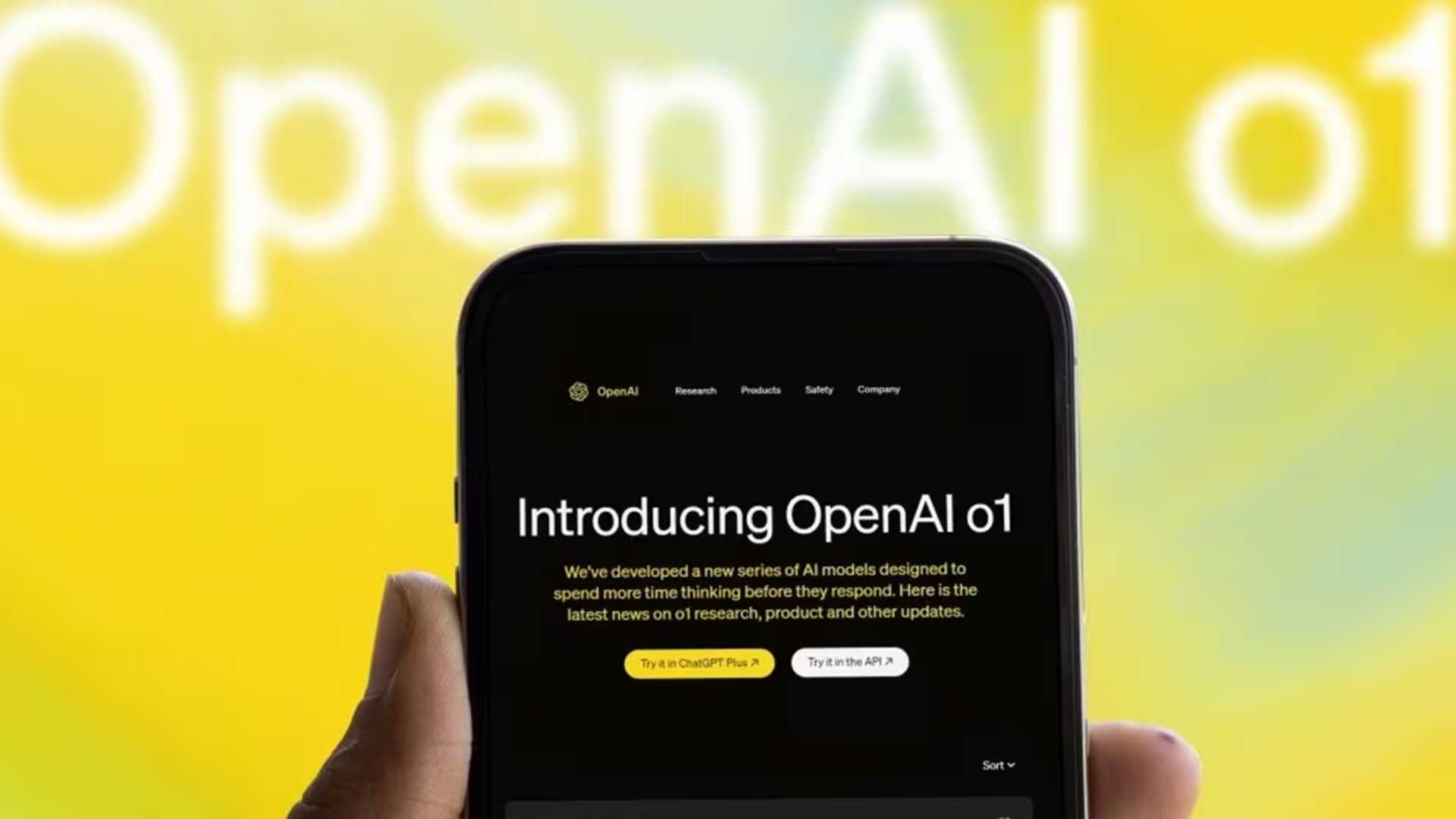
Open Ai Day 1 demo - o1 and ChatGPT Pro
The landscape of artificial intelligence is rapidly evolving, with OpenAI leading the charge in developing advanced generative models. The latest addition to their lineup, OpenAI o1, is designed to enhance reasoning capabilities and tackle complex tasks more effectively than its predecessors. Let's delve into everything you need to know about OpenAI o1, from its features and applications to its limitations and future prospects.
Overview of OpenAI o1
OpenAI o1 represents a family of large language models (LLMs) optimized for enhanced reasoning functionalities. Launched in September 2024, the o1 models — specifically o1-preview and o1-mini — are engineered to provide a different experience compared to earlier models like GPT-4o. They utilize advanced techniques such as chain-of-thought reasoning and Reinforcement learning with human feedback (RLHF), allowing them to process information in a more human-like manner, thereby improving accuracy and reliability in complex problem-solving scenarios.

Capabilities of OpenAI o1
OpenAI o1 excels in various tasks, particularly those requiring intricate reasoning. Some of its capabilities include:
- Enhanced reasoning functionalities
- Chain-of-thought reasoning
- Reinforcement learning with human feedback (RLHF)
Access and Limitations
Users can access OpenAI o1 through various channels. However, despite its advancements, OpenAI o1 has some limitations:
- Complexity in fine-tuning for specific tasks
- Resource-intensive for certain applications
Comparison and Future Prospects
A comparison between GPT-4o and OpenAI o1 highlights several key differences. OpenAI o1 significantly improves upon GPT-4o in complex reasoning tasks while maintaining a focus on accuracy and reliability. Additionally, O1 Pro Mode within the OpenAI o1 framework offers enhanced features for professional applications, catering to users with high-level performance requirements in specific domains.
Future of OpenAI's O-series
The O-series signifies a new era in AI development focused on enhancing reasoning capabilities across various applications. With continuous improvements expected in safety features and performance metrics, the future of OpenAI’s O-series appears promising. The ongoing evolution of these models will likely lead to even more sophisticated AI systems capable of addressing complex challenges across multiple sectors.

Conclusion
OpenAI o1 marks a significant leap forward in artificial intelligence technology by prioritizing advanced reasoning abilities and safety measures. Whether you’re a developer seeking cutting-edge tools or an organization looking to enhance problem-solving capabilities, exploring the functionalities of OpenAI o1 could be your next step toward leveraging AI’s full potential.
Check out MyNextDeveloper, a platform where you can find the top 3% of software engineers who are deeply passionate about innovation. Visit our website to explore how we can assist you in assembling your perfect team.