Google's AI Future: Expansive, Ambitious, and Full of Questions
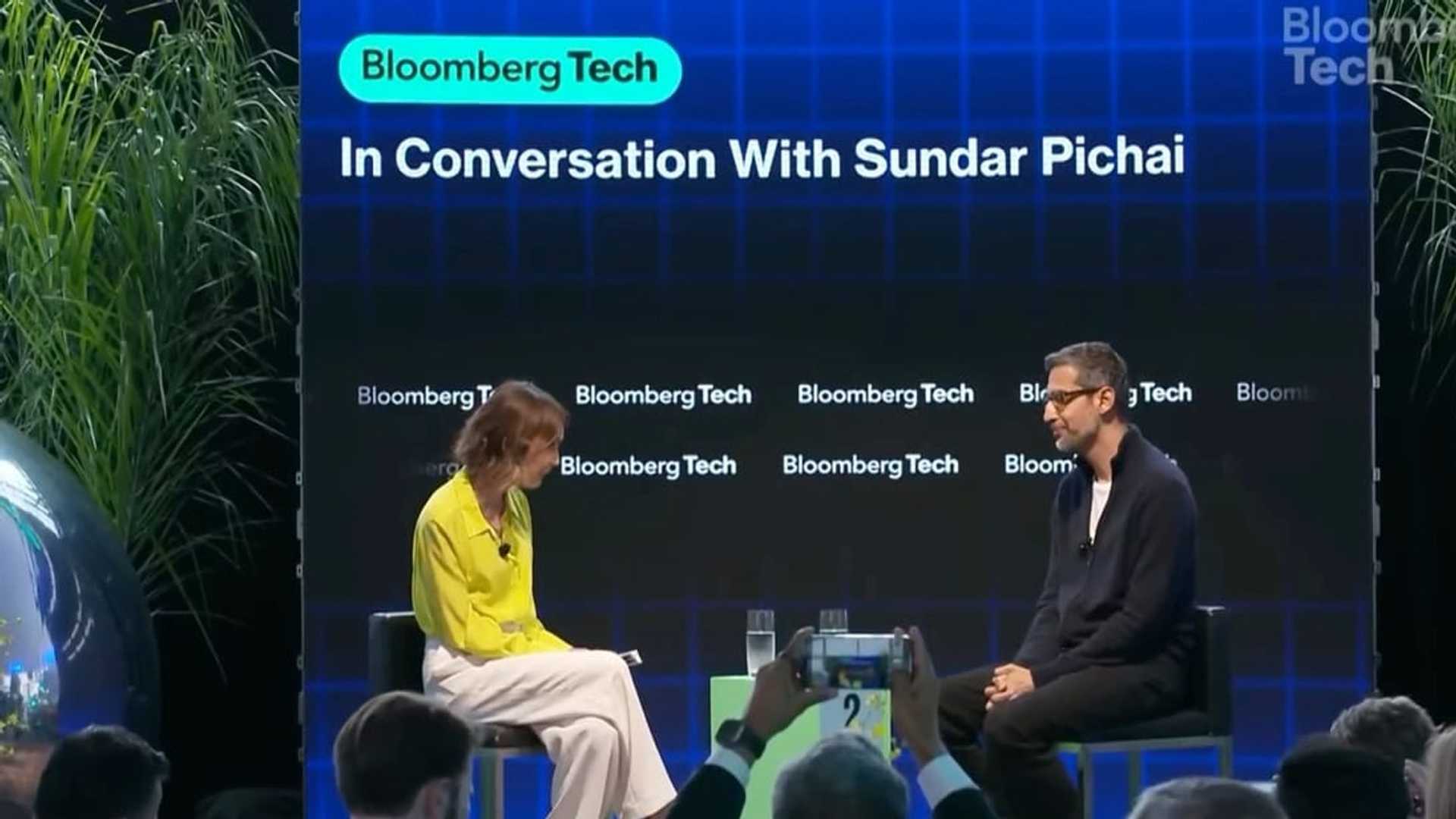
Google CEO Sundar Pichai sees AI as more than just a tool or trend—it's a generational shift. Speaking at the Bloomberg Tech summit in San Francisco, he described it as an "expansionary moment" that has the potential to unlock new forms of creativity, productivity, and business growth. However, with this ambition comes a question: can Google's AI scale align with the values of an open and trustworthy web?
Scaling AI Investments
Pichai highlighted Google's massive scale, with plans to invest $75 billion in capital expenditures by 2025. This investment goes beyond just AI models like Gemini, extending to the physical infrastructure—data centers, energy, and more—that supports AI deployment across Google's products, from Search to YouTube to Android.
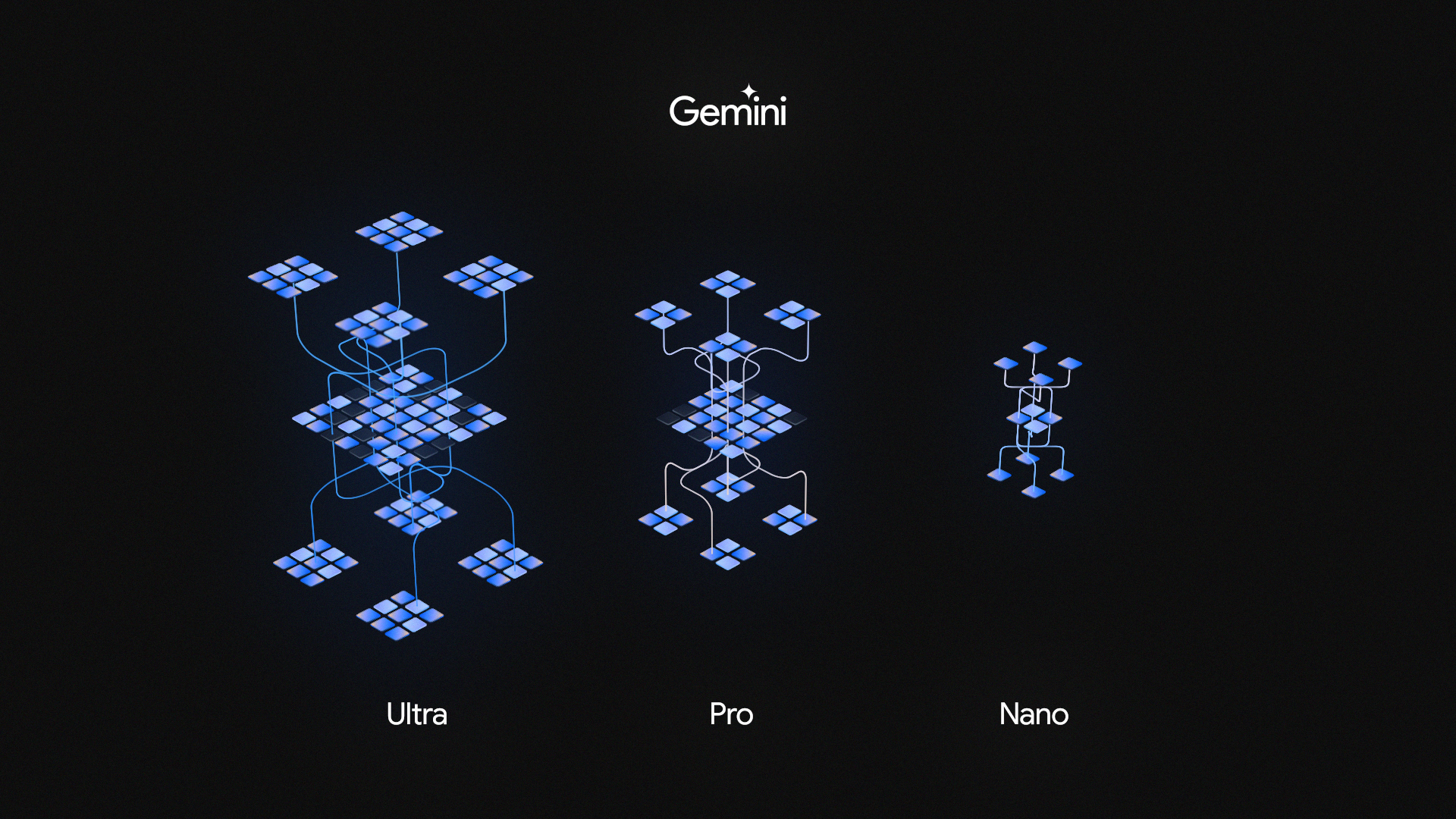
While the direct returns on this investment remain unclear, Pichai mentioned early positive results from Gemini-powered subscription services such as Google AI Pro. He emphasized the long-term view of AI as a platform shift that justifies significant investment.
Impact on Google's Ecosystem
The impact of AI on Google's ecosystem is already evident. Pichai addressed concerns about AI-generated content overwhelming platforms like YouTube and the broader web. He assured that Google is leveraging Gemini to enhance recommendations and filter results to maintain quality content.
However, there are tradeoffs. Some publishers argue that Google's AI Overviews, which provide summarized answers in search results, are reducing traffic and discouraging content creation. Pichai defended the feature, highlighting its design to maintain link visibility and drive quality traffic.
Social and Economic Implications
Pichai dismissed fears of widespread job losses due to AI, instead emphasizing its role as a catalyst for creativity and productivity. While he avoided directly addressing predictions about job displacement, he noted the historical adaptability of job markets to technological changes.
Throughout the interview, Pichai balanced optimism with selectivity in detail. He addressed trust and privacy concerns by citing Google's track record in managing user data responsibly. Regarding competition and antitrust issues, he asserted that Google's success stems from user choice rather than monopolistic practices.

Looking ahead, the success of Google's AI future hinges on more than just technological advancements—it requires navigating evolving norms around attribution, labor practices, and corporate responsibility. Pichai's vision is ambitious, but whether it will be inclusive remains to be seen.