
Opinion: Navigating through quicksand? Using GenAI ethically ...
You are using an outdated browser. Please upgrade your browser to improve your experience.
We use cookies to help us understand how you use our website so we can improve your experience. Visit our Website Privacy Statement or our cookies page.
The Challenge of Generative Artificial Intelligence
Navigating the rapidly changing world of generative artificial intelligence is like trying to escape quicksand; the more you resist, the more you find yourself immersed. Artificial intelligence tools are now deeply integrated into various aspects of our lives, from online shopping to social media algorithms. In the higher education sector, there is a growing focus on leveraging this technology ethically in research and teaching, while also guiding students in using these tools responsibly to maintain academic integrity.
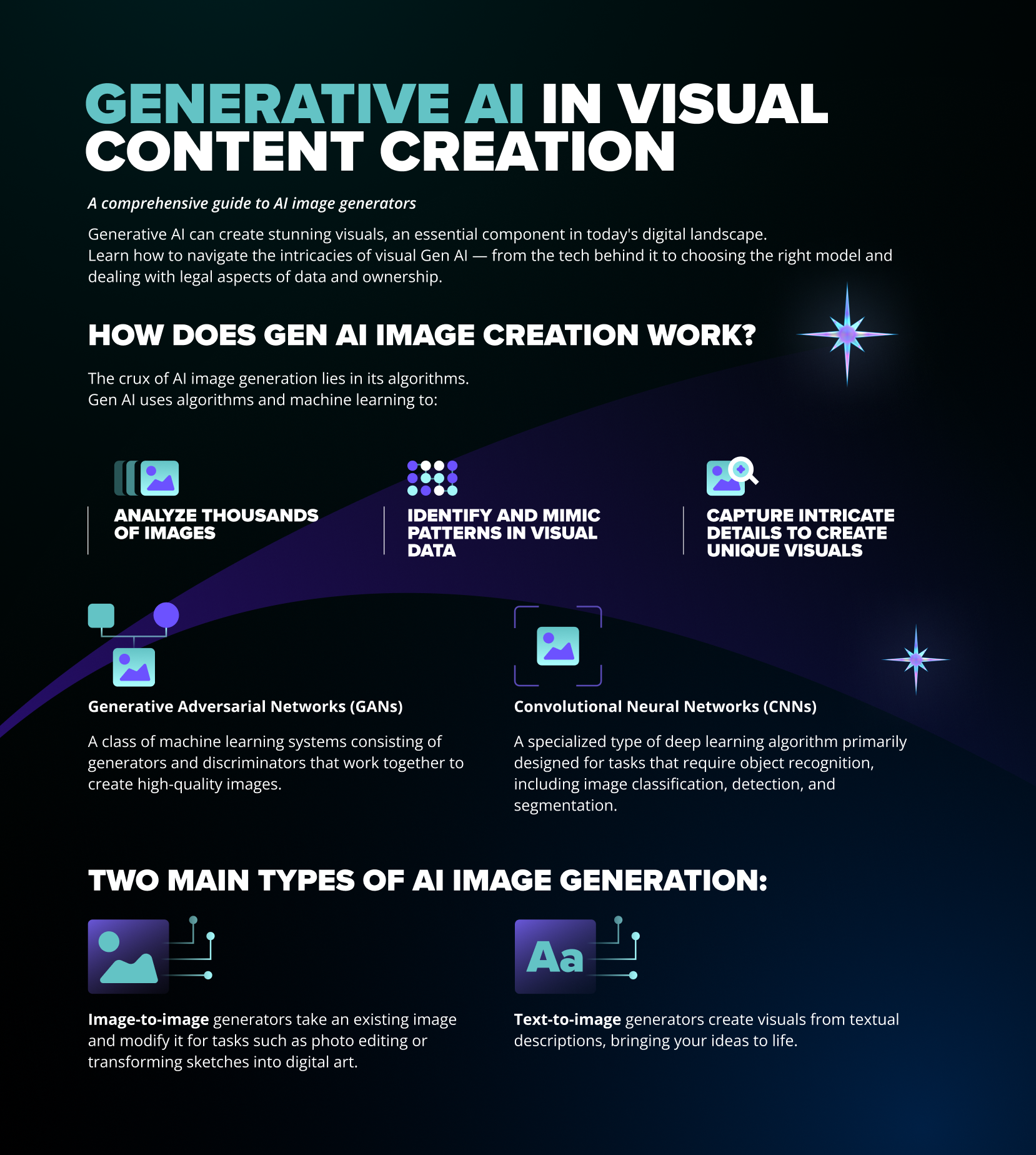
Generative artificial intelligence refers to tools that autonomously create content based on human input. These tools, such as OpenAI's GPT-4o, Meta AI, and Google Gemini, utilize advanced machine learning models to generate responses that adapt to new information. The sophistication of these tools, including image interpretation and flexible writing abilities, signifies a significant advancement in AI capabilities.
Ethical Use of GenAI in Higher Education

While there are no sector-wide principles in New Zealand, higher education providers are encouraging transparent discussions with students about the ethical use of generative artificial intelligence. Instead of fearing academic dishonesty, there is a shift towards exploring how these tools can enhance learning, teaching, and research outcomes positively.
Massey University recently approved guidelines for staff on utilizing generative artificial intelligence, emphasizing the importance of quality, academic integrity, and ethical considerations. The aim is to promote informed and thoughtful use of AI tools to enhance accessibility, personalize learning experiences, and foster innovation in research.
Leveraging GenAI Ethically
When using tools like ChatGPT, ethical considerations are paramount. While these tools can streamline tasks and improve efficiency, it is essential to avoid taking credit for work generated by AI, as this violates academic integrity. GenAI can aid in automating repetitive tasks, such as referencing, but human oversight is necessary for critical thinking and interpretation of data.
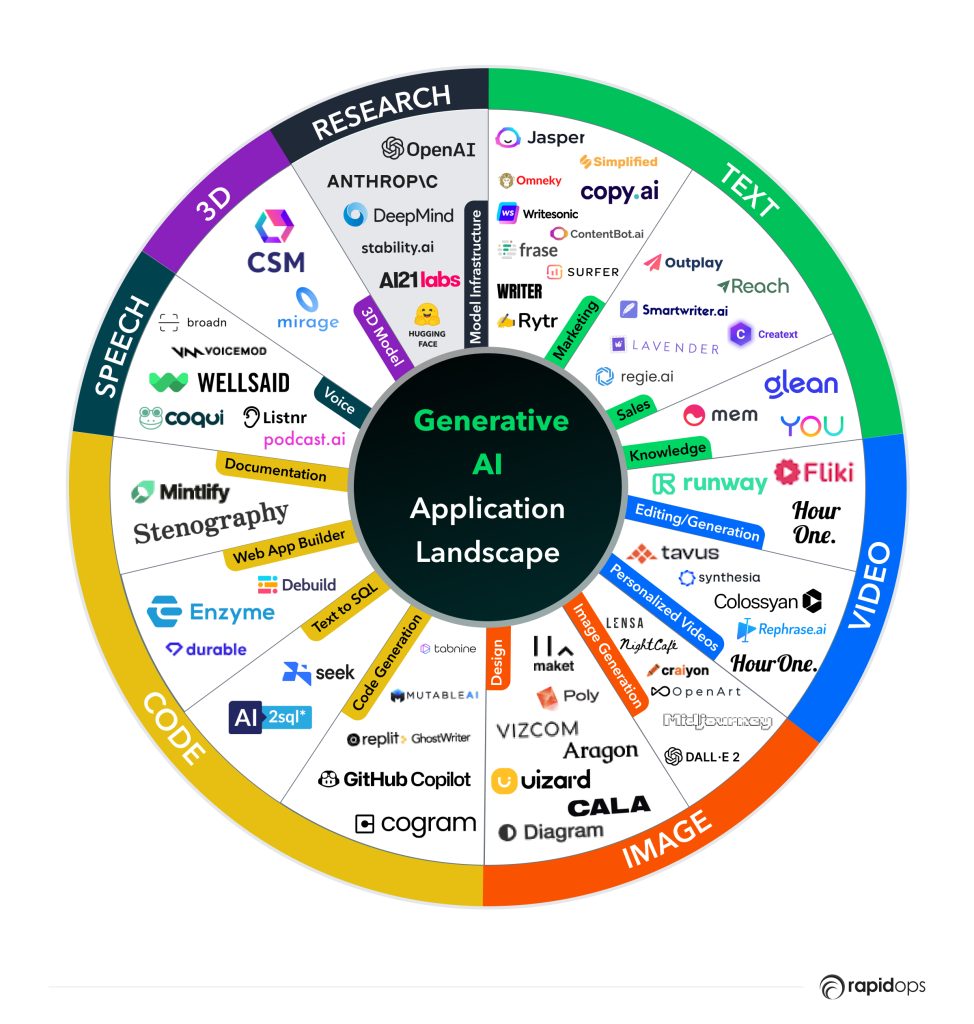
It is crucial to remain cautious when relying on generative artificial intelligence, as errors or misinformation can occur. Verifying the information provided by AI models is essential to ensure accuracy and reliability, particularly in academic and research settings.
Overall, the strategic and ethical use of generative artificial intelligence can bring significant benefits while mitigating risks associated with its applications. By embracing AI tools judiciously, we can enhance productivity and creativity without compromising academic standards.