What is ChatGPT? | IBM
ChatGPT is a generative AI chatbot developed by OpenAI and powered by their proprietary GPT family of generative artificial intelligence (gen AI) models. It leverages natural language processing (NLP) to engage in lifelike conversations with users and create diverse content such as articles, text summaries, and advice.
ChatGPT Features
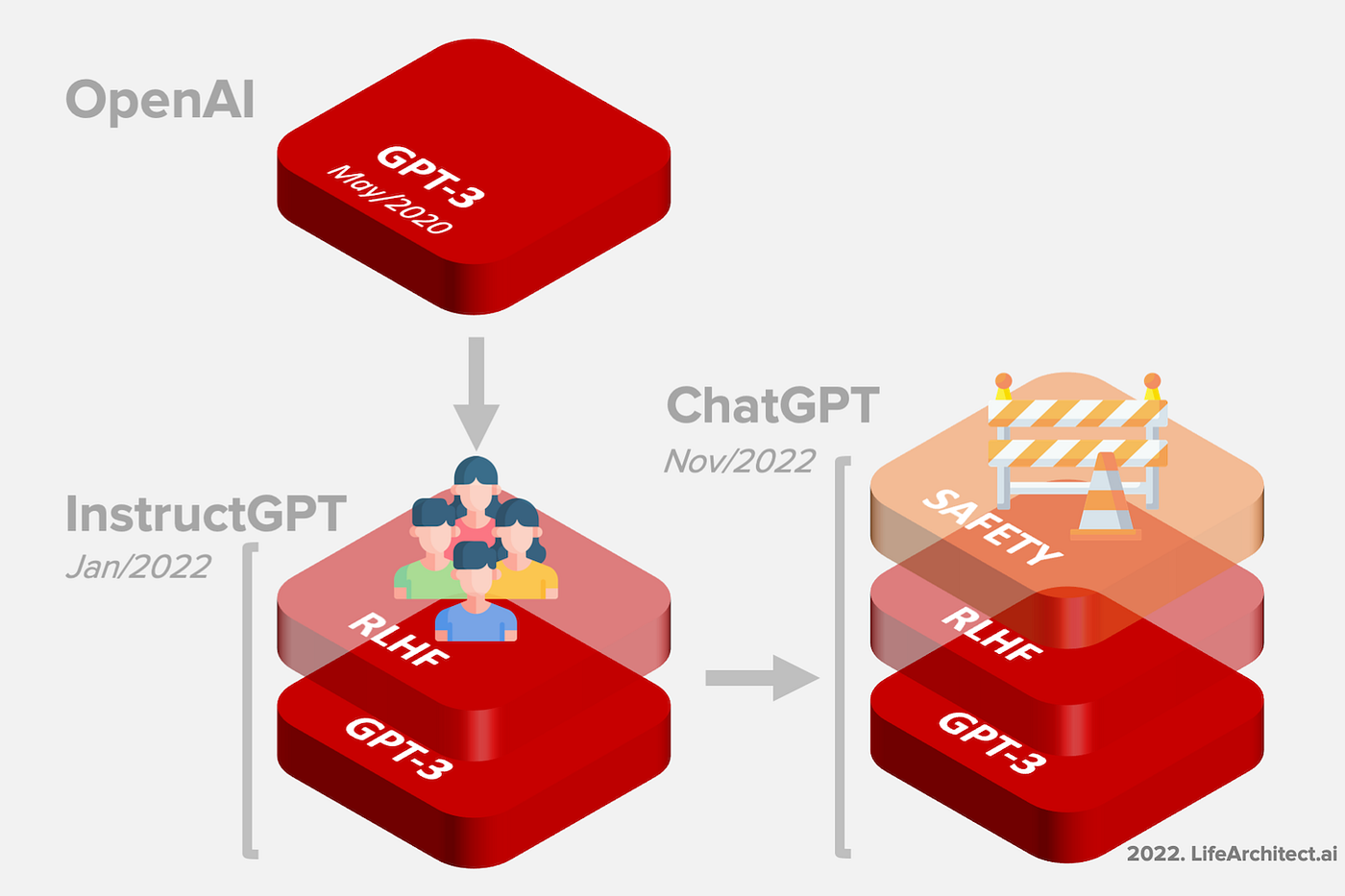
One of the most prominent applications of conversational AI, ChatGPT operates on OpenAI's generative pretrained transformer (GPT) models. Currently running on the multimodal GPT-4o AI model, it has the capability to generate images, conduct audio conversations, and perform text generation. Since its inception in 2022, ChatGPT has gained extensive media coverage, significantly influencing the AI landscape and leading to the development of similar products like Google Gemini and Anthropic’s Claude.
OpenAI and ChatGPT Development
ChatGPT was created by OpenAI, a leading machine learning and AI startup founded by individuals such as CEO Sam Altman and President Greg Brockman. Alongside ChatGPT, OpenAI introduced other innovative models like DALL-E for image generation and Sora for text-to-video conversion. Initially a nonprofit organization, OpenAI now operates as a hybrid entity, with OpenAI, Inc. as the controlling nonprofit and OpenAI Global LLC as the majority-owned for-profit subsidiary. Microsoft has made substantial investments in OpenAI, primarily through Azure cloud compute credits, and in return, offers the OpenAI API on its Azure platform.

Functionality of ChatGPT
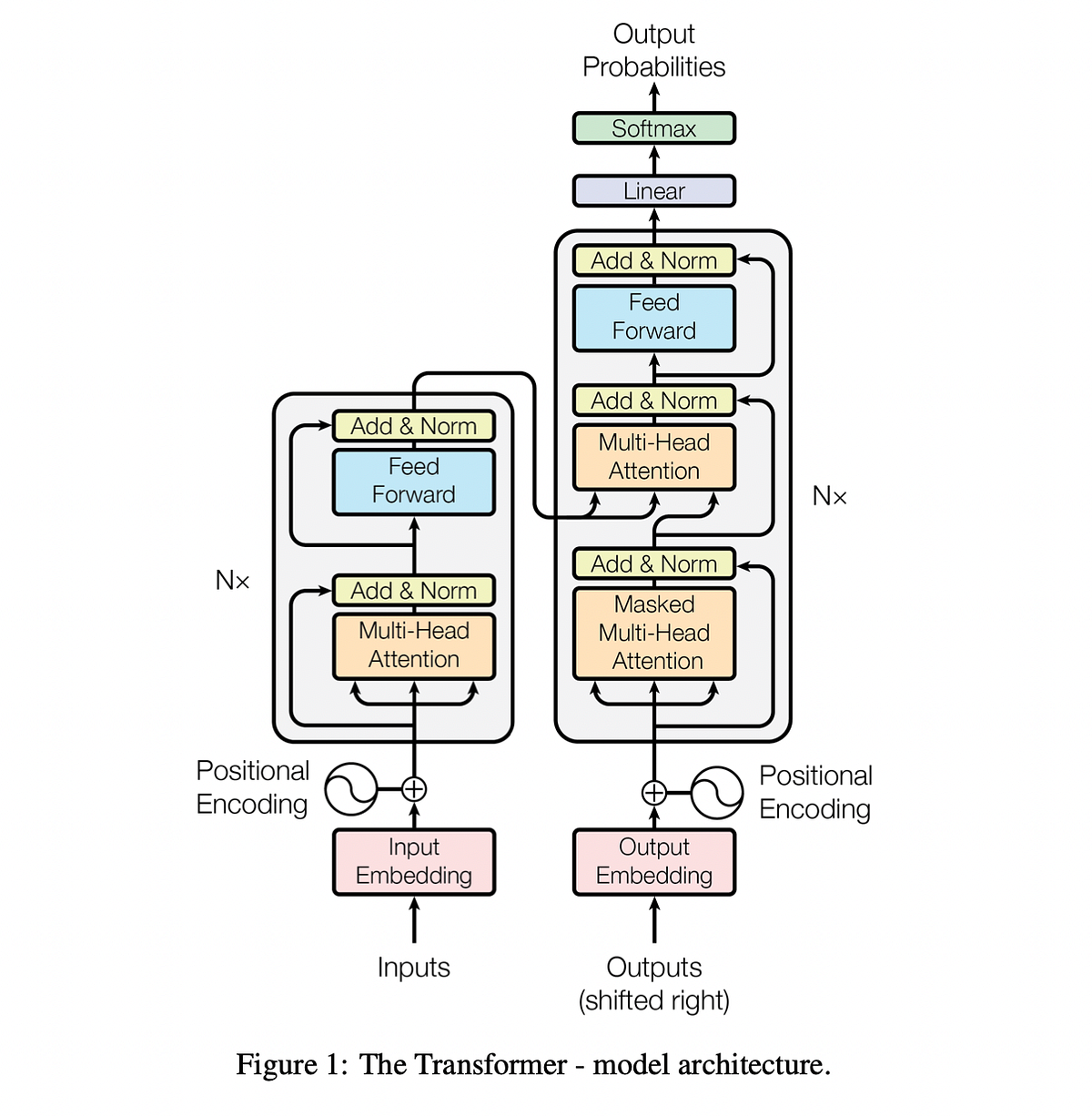
ChatGPT utilizes generative pretrained transformers (GPTs), a form of large language model (LLM) developed by OpenAI. Operating on transformer architecture, GPT models excel at maintaining context in extensive inputs through self-attention mechanisms. The model functions in two key stages: language understanding and response generation, enabling it to provide contextually relevant responses based on user interactions and training data.
Training and Capabilities
Trained on vast datasets sourced from the internet, including text, images, and websites, GPT models like ChatGPT undergo training incorporating supervised, unsupervised, and reinforcement learning techniques. By analyzing patterns in training data, GPT models enhance their predictive capabilities. With access to GPT-4o, ChatGPT users can create various content formats, including audio and images. Additionally, fine-tuning ChatGPT with specific conversational datasets refines its outputs based on the data it has processed.
Usage and Applications
ChatGPT caters to a wide array of applications, from content creation and summarization to web searches and job application support. Users benefit from its capabilities in SEO, e-commerce, language translation, and content marketing, among others. Despite its versatility, ChatGPT’s responses should be viewed as algorithmic predictions rather than expert advice on critical matters like law or healthcare.
Custom GPTs and Future Developments
In 2023, OpenAI introduced custom GPTs, enabling users to modify ChatGPT for specific purposes without repeated instructions. Custom GPTs offer advantages like knowledge file uploads, collaborative sharing, and expanded functionalities beyond standard ChatGPT features. While the creation of custom GPTs is limited, it empowers users to enhance AI systems to suit their unique requirements.