AI Chatbot Passes Turing Test: What Does It Mean?
Recently, there have been significant headlines about an AI chatbot officially passing the Turing test. This news is based on a recent preprint study by researchers at the University of California San Diego. The study evaluated four large language models (LLMs), with OpenAI's GPT-4.5 being deemed indistinguishable from a human more than 70% of the time.
The Turing Test and Its History
The Turing test, popularized as the ultimate indicator of machine intelligence, has a contentious history. Introduced by Alan Turing in 1948, the test has been subject to debate regarding its effectiveness in measuring machine intelligence. The recent study by Cameron Jones and Benjamin Bergen tested four LLMs, including ELIZA, GPT-4o, LLaMa-3.1-405B, and GPT-4.5.
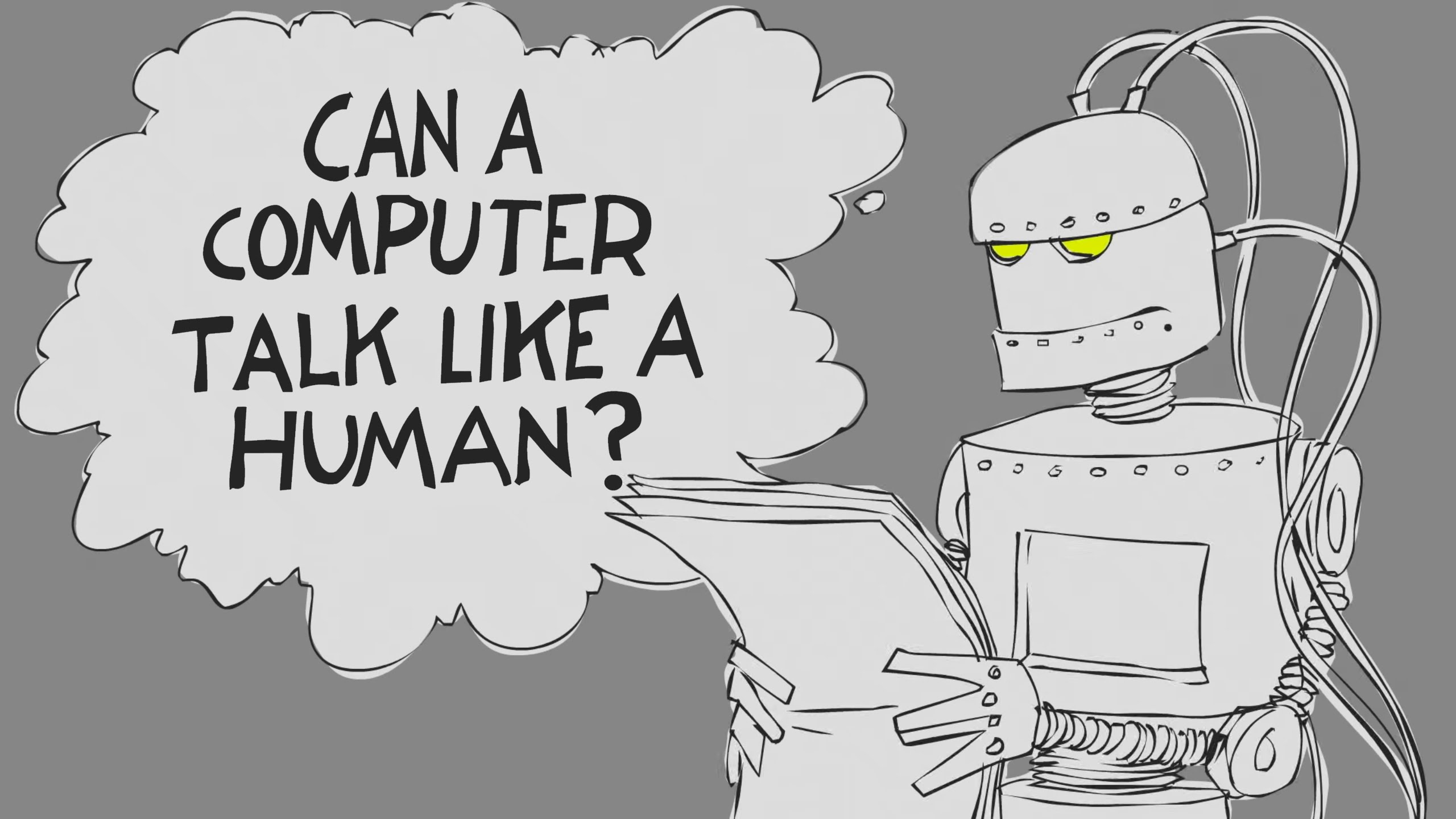
Participants in the study engaged in conversations with both human and AI chatbot witnesses simultaneously, with GPT-4.5 fooling participants 73% of the time. The test, mimicking a messaging interface, aimed to determine which witness was human and which was an AI chatbot.
Challenges to the Turing Test
While the article claims GPT-4.5 passed the Turing test, there are objections to its effectiveness. One objection is that the test measures substitutability rather than true intelligence. The study's short testing window and the impact of personas adopted by the LLMs also raise concerns about the test's conditions.
It is essential to note that the Turing test is not universally accepted as a reliable measure of machine intelligence. While GPT-4.5 may have shown convincing capabilities, it is not on par with human intelligence.

For more information, you can read the original article here.