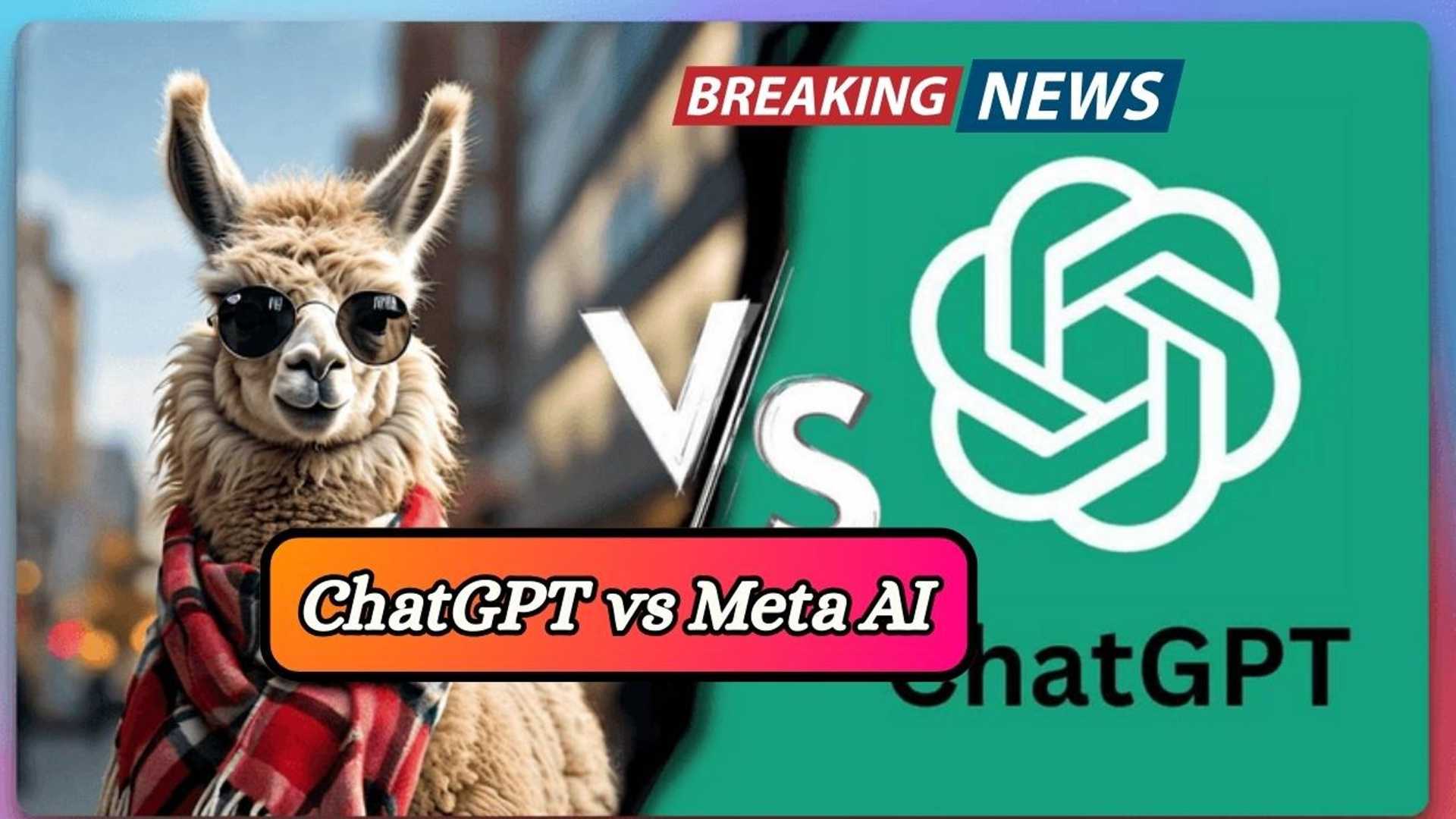
Llama 4 Controversy: Meta's Largest Open-Source AI Model Faces Backlash
Meta's release of Llama 4 was a major event in the AI world this week. The two available models, Llama 4 Scout and Llama 4 Maverick, boast impressive capabilities. However, the release has been mired in controversy. An alleged whistleblower from Meta's AI team claimed the company "mixed various benchmark test sets into the post-training process" to make the models appear stronger than they truly are in real-world performance.
Meta has refuted these claims, stating the variable quality seen is due to implementation issues by those testing the models. But the LM Arena leaderboard seems to support the whistleblower's account, with Llama 4 models dropping significantly in rankings after initial strong showings.
Further complicating matters, Meta apparently used a customized version of Llama 4 Maverick on LM Arena that was optimized for human preference, rather than the open-sourced version released to the public. This lack of transparency has raised concerns in the AI community.
The Llama 4 saga highlights the ongoing challenges of model benchmarking and the potential for misleading claims around AI capabilities. As this story continues to unfold, it will be important to closely scrutinize the real-world performance of these large language models.
Microsoft's AI Copilot Improvements and Quake AI Demo
One of the biggest new features Microsoft added to their AI Copilot was the ability to remember past conversations. With your permission, Copilot will now remember what you've discussed, learning your likes, dislikes, and details about your life, work, and interests. This allows Copilot to provide more personalized and contextual assistance over time.
Microsoft also showcased an AI-generated version of the classic game Quake. By using their Muse AI model, every single frame of the game is generated on the fly as the player moves around. While the result isn't perfect, with some characters disappearing and other visual glitches, it demonstrates the impressive capabilities of AI in generating dynamic game environments.
This AI-powered Quake demo received some backlash from game developers, who criticized the approach. However, id Software co-founder John Carmack defended the technology, stating that it represents a significant leap in game development, enabling smaller teams to accomplish more and bringing in new creator demographics.
Overall, these advancements in Microsoft's Copilot and the Quake AI demo showcase the rapid progress of AI in enhancing productivity tools and generating interactive experiences. As these technologies continue to evolve, they will likely have a transformative impact on various industries, including gaming and software development.
Google's AI Expansions and Announcements
This week saw a number of announcements and updates from Google regarding their AI capabilities and offerings:
- Google expanded their AI mode in search, improving its ability to handle comparisons, how-to queries, and longer, more open-ended questions. The AI mode can now also search and see images.
- At the Google Cloud Next 25 event, the company announced a new TPU (Tensor Processing Unit) coming later this year, as well as a new "A2A" (Agent-to-Agent) protocol that allows AI agents to communicate and work autonomously.
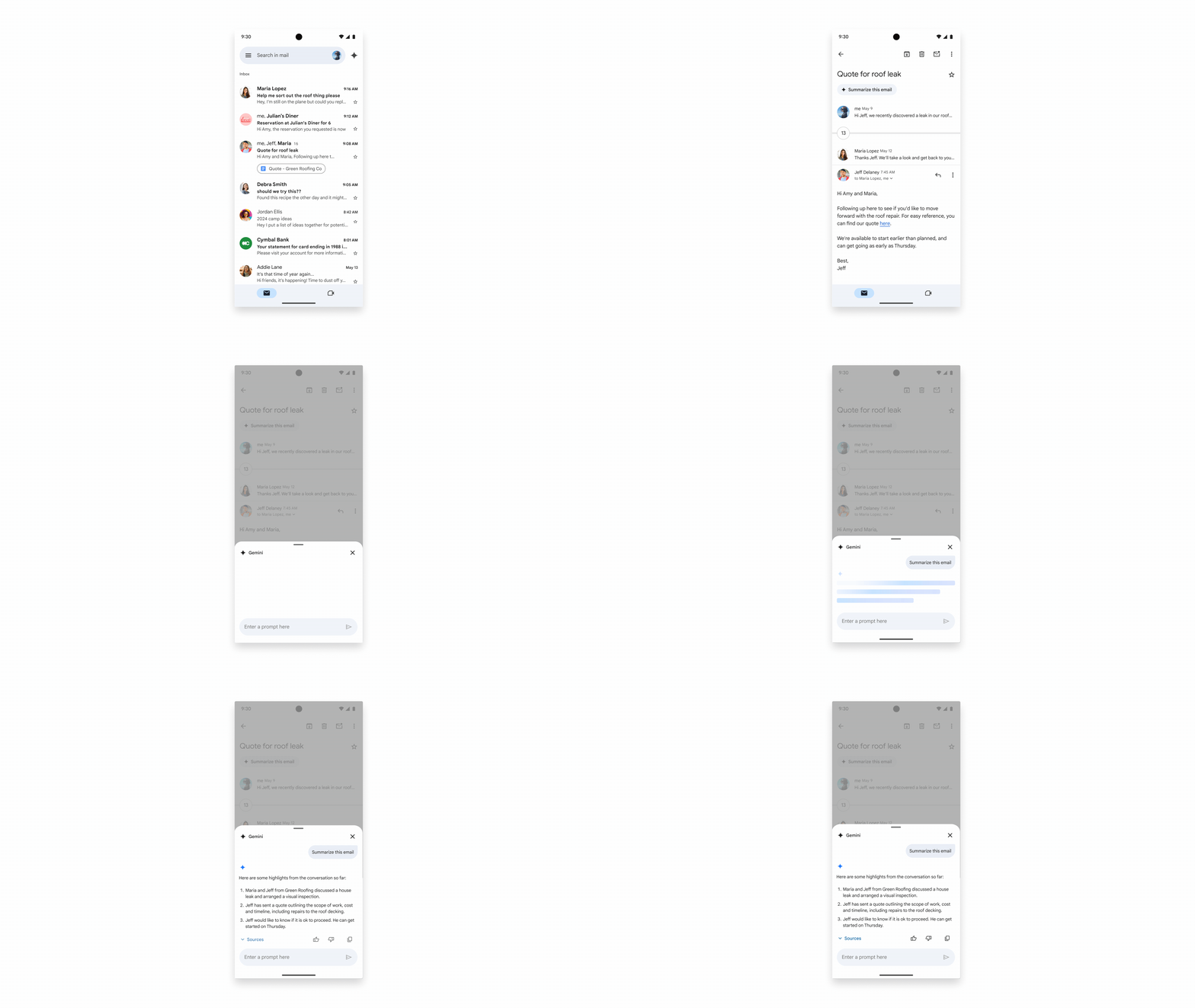
- Google introduced new AI-powered features across their Workspace products, including an audio feature in Google Docs similar to Notebook LLMs, a "help me refine" feature in Docs, new AI enhancements in Google Sheets, and AI-powered summarization and Q&A capabilities in Google Meet.
- Google also rolled out updates to their Vertex AI platform, including new editing and camera control features in V2, the availability of Chirp 3 (an audio generation model), and Imagine 3 (their text-to-image model). Additionally, a new text-to-music model called LIIA was made available in Vertex AI.
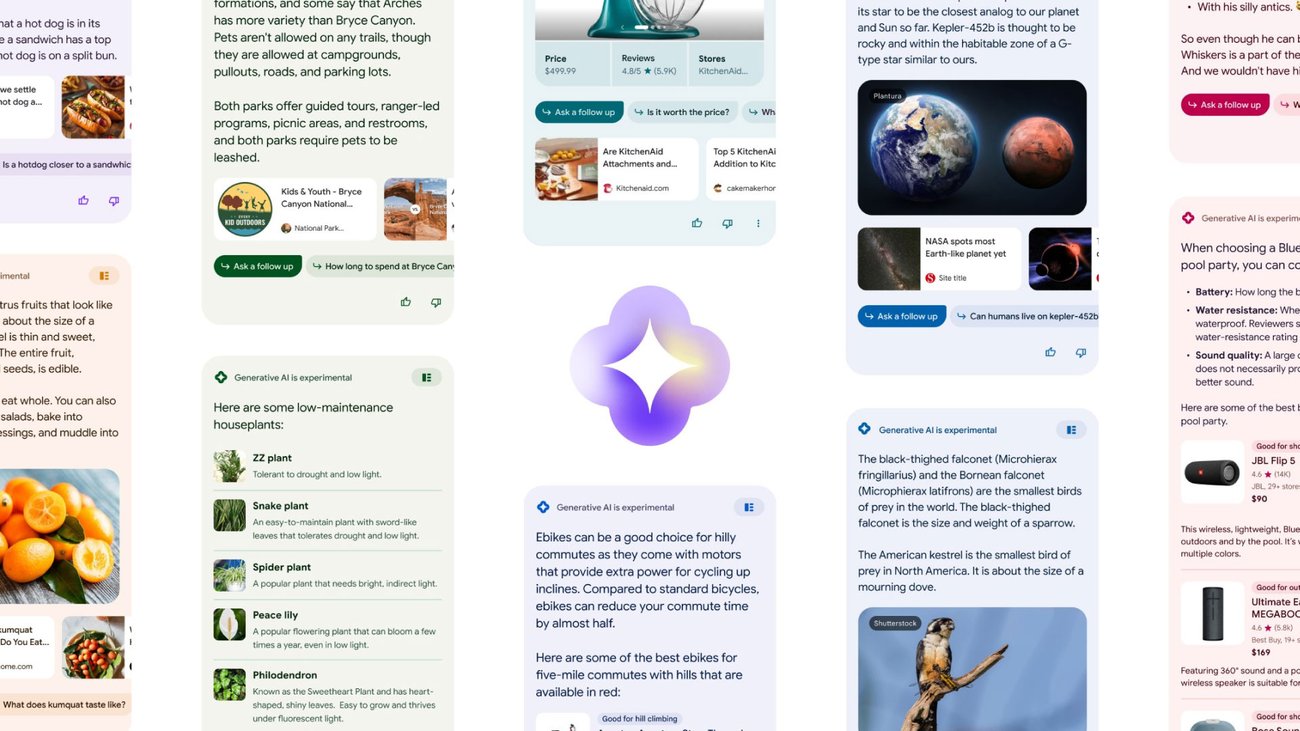
In summary, Google continues to expand the AI capabilities across its suite of products and platforms, integrating language models, text-to-image, text-to-audio, and other AI-powered features to enhance user experiences and productivity.
OpenAI's Upcoming Model Releases and Memory Feature
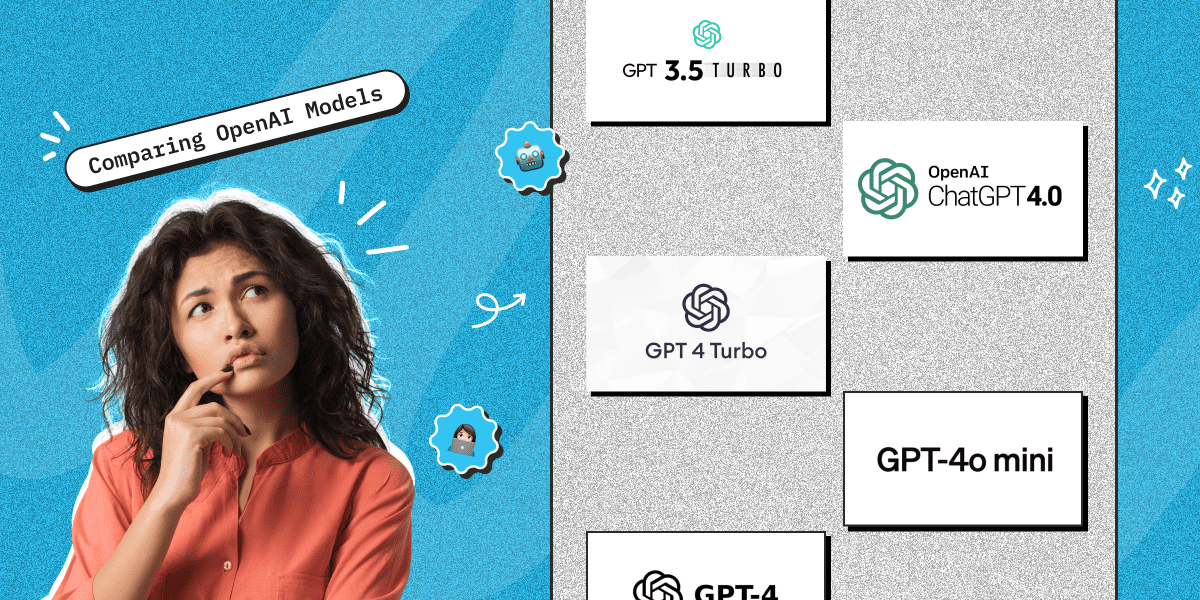
Apparently, OpenAI is going to release GPT-3.5 and GPT-4 mini models after all, despite earlier plans to skip ahead to GPT-5. According to Sam Altman, GPT-5 is taking longer than expected, so OpenAI will release the 3.5 and 4 mini versions in the meantime. OpenAI also announced a new memory feature for ChatGPT, which allows the chatbot to tailor its responses based on the contents of previous conversations.
When logging into ChatGPT, users can now see a "Introducing new improved memory" box, which generates a personalized description of the user based on their chat history. This new memory feature is aimed at making ChatGPT's responses more contextual and tailored to individual users, rather than providing generic responses. It demonstrates OpenAI's efforts to continuously improve the capabilities and user experience of their flagship language model.