The Impact of Meta's AI Feature on Fake User Images
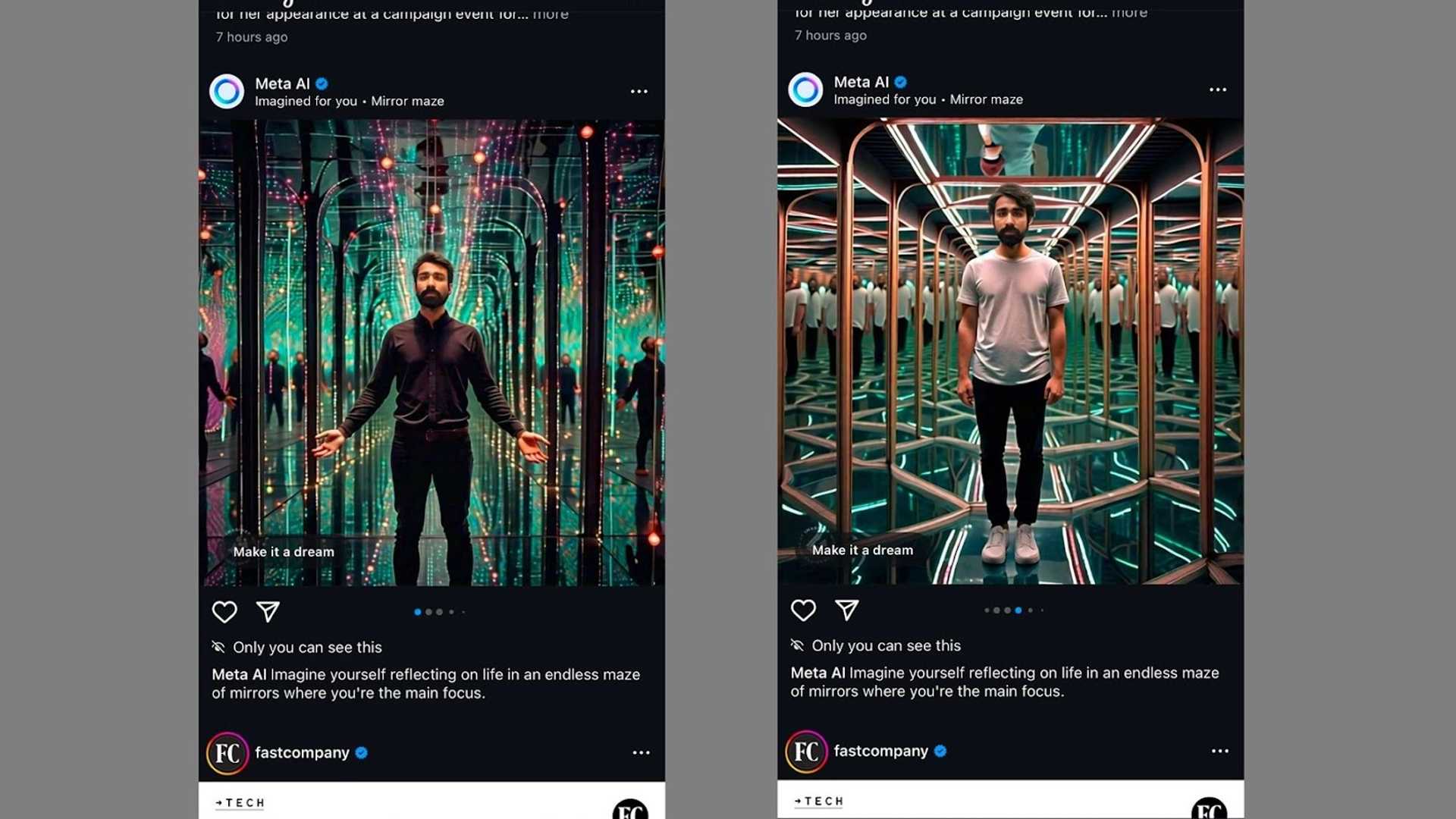
Meta's recent introduction of an AI feature that generates fake user images has sparked concerns over the potential misuse of the technology. This new tool, powered by advanced algorithms, allows users to create realistic-looking profile pictures without using real photos.
Concerns Over Misinformation and Deception
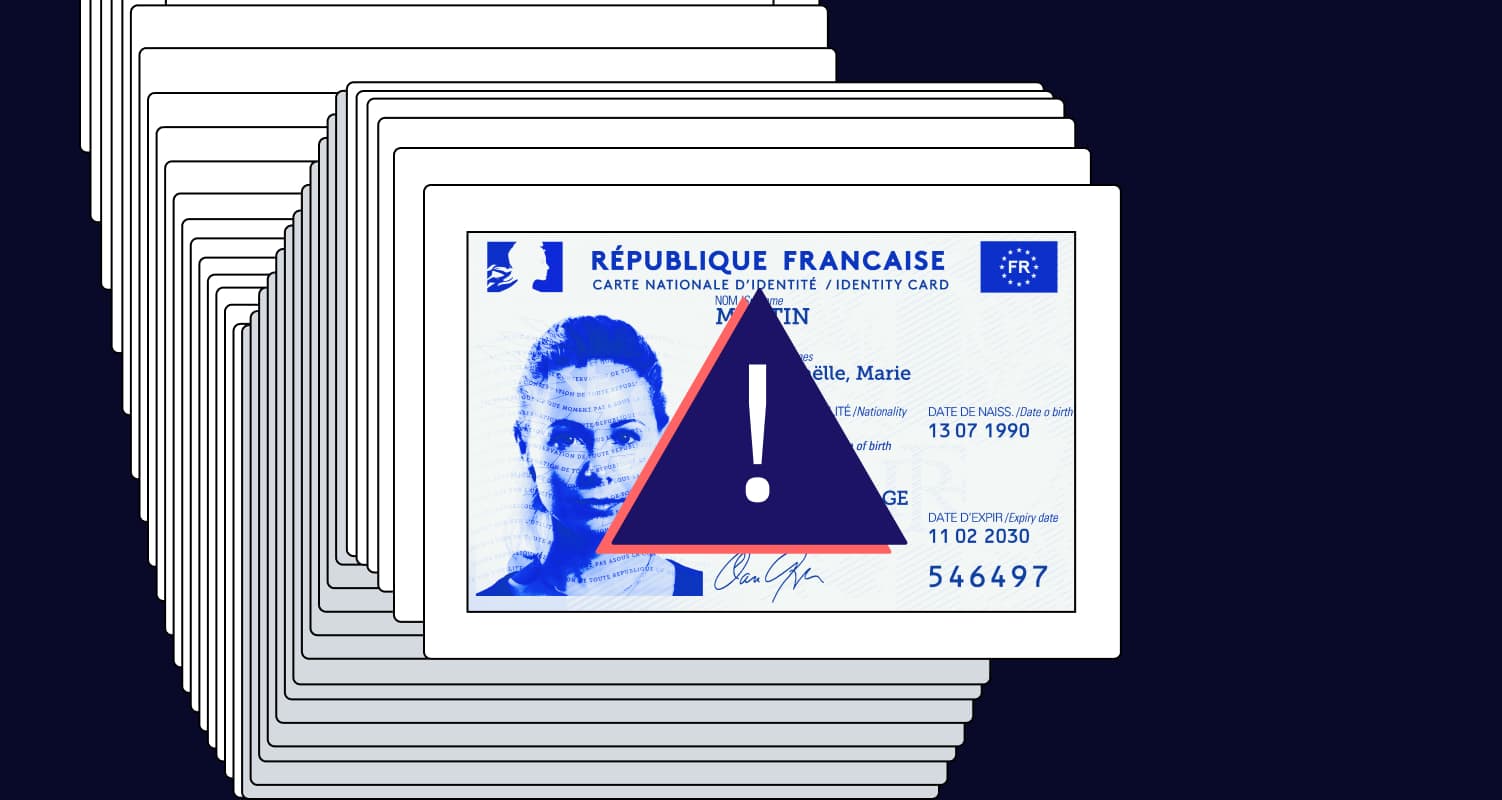
One of the primary concerns raised by critics is the potential for misinformation and deception. With the ability to easily generate fake user images, there is a risk that these photos could be used to create fake social media accounts, perpetuate false information, or deceive others online.
Impact on Trust and Authenticity
Furthermore, the proliferation of fake user images could have a significant impact on trust and authenticity in online interactions. Users may find it increasingly difficult to determine the credibility of individuals they encounter online, leading to a breakdown in trust within online communities.
Regulatory and Ethical Considerations
As technology continues to advance, regulators and policymakers are faced with the challenge of addressing the ethical implications of AI-generated content. The use of fake user images raises important questions about privacy, consent, and the responsible use of technology.

Conclusion
While AI-powered tools like Meta's image generator have the potential to enhance user experiences, it is essential to consider the broader societal impact of such technologies. As we navigate the digital landscape, it is crucial to prioritize transparency, accountability, and ethical use to ensure a safe and trustworthy online environment.