Meta, Orion And The Attention Economy. – Bright Side News
Metaverse promises to bring a change. And that change has the potential to shift our relationship with the digital world. But- is it for the better? Mark Zuckerberg’s metaverse project has been trying to position itself as the future of the world. And he can back it up with strides in social technology.
Instagram and Facebook have enabled the sharing of creative ideas across the globe. From memes to artistic expressions, Meta has empowered the common person to spread their ideas to be seen and appreciated. It is no joke to say Meta has revolutionized our planet. And many are concerned about the ramifications of this revolution. They think about the privacy and ethical drawbacks of these apps.
Meta's Dominance in Social Media
Look at this stat from Statista— Facebook is the number one platform, followed by YouTube, WhatsApp, and Instagram. Meta has the majority of the market share in social media. Can we say our concerns are reflected in reality? It is not so. The planet is using Meta as its go-to social technology. Now, Mark Zuckerberg wants to take it a step further.
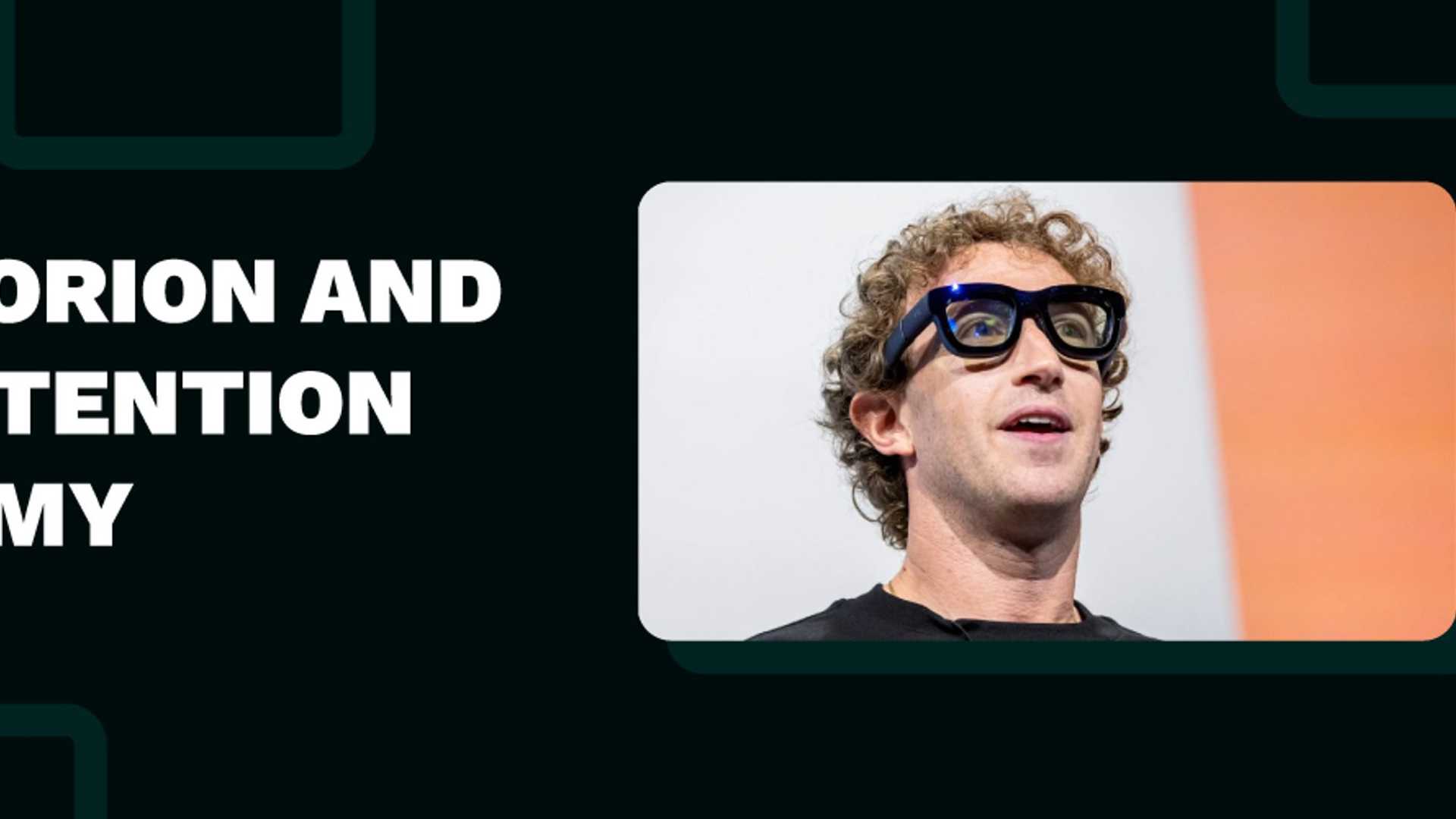
Mr Zuckerberg has brought us another marvel closer to his dream of computational evolution: The Meta Glasses— Orion! It is promised to be the next evolution of our smart devices. The whole world, right at our eyes and fingertips.

The Evolution of Meta through Acquisitions
Let’s take a look at a particular snapshot of tech history. In a time when Meta was still called Facebook. The company became afraid of the social media platform known as Instagram. Instagram, the hip and cool new tech was gaining rapid momentum. From their beautiful filters to their sleek design, it was fun to be on. Facebook realized this, and Mark was afraid that the platform would overtake his without needing to become a big business.
The model was that good. So what did Facebook do? They bought Instagram and integrated them into the conglomerate in 2012. All for a small sum of 1$ billion. Instagram became the most popular platform for young people. In the same vein, Facebook acquired WhatsApp in 2014 but for a larger sum of 20$ billion. And then bought Oculus— now known as Reality Labs— for 2$ billion.

Strategic Acquisitions by Meta
The question in anyone’s mind would be: Why did Meta acquire these technologies? They had the resources to make it from scratch. We can infer it from these three emails. The first is from David Ebersman, talking Mergers and Acquisitions. He outlines three possible scenarios for Facebook and why the mergers would be beneficial for them. And Mark Zuckerberg responded by being interested in two. What he talks about is the integration of the social dynamics these companies offer and buying time so that they can outperform any competition that crops up.
In the third, he says he is excited about what companies could do together if they built on what they(the acquisitions in question) have invented into more people’s experience. From what we know of Mark Zuckerberg he has been a visionary and savvy businessman. From Meta’s takeovers, we can assume he has the strategic acumen to understand what people want. And to identify the technology that can deliver it to them. Meta has been acquiring all technologies to usher the user into a new experience.
The Immersive Experience of the Metaverse
In all senses of the idea: An immersive experience. This immersive experience is being sculpted by Virtual and Augmented reality. Facebook’s rebranding into Meta was not just about changing the name. But the entire mission. They serve to bring the metaverse into reality. The metaverse is a virtual world of creative possibilities in computation and holograms.

It is an abstraction of the fantastical, bought into reality by advanced technology and designs. Meta and extension, its founder believe the metaverse is the future of computation. Mixing audio, visual, and other sensory organs to make the user believe that what they are feeling is, in fact, part of reality.
In Zuckerberg’s terms — “The next platform will be even more immersive— an embodied experience where you are in the experience, not just looking at it. We call this the metaverse, and it will touch every product we build.” Holograms. Virtual Avatars. Augmented Spaces. Everything that can be dreamt of, the metaverse can conjure. Humanity is now Alice, and our technology is the rabbit hole.