Can artificial intelligence generate scientific discussion that passes...
There is a growing interest in the utilization of artificial intelligence (AI) in the creation and evaluation of academic content. However, the specific role of AI in this context remains ambiguous. To address this, a recent study conducted a blinded assessment by reviewers to evaluate the quality of scientific discussion generated by an advanced AI language model known as ChatGPT-4 from Open AI. The primary aim was to determine if content generated by AI could meet the standards for publication in high-impact journals.

AI Evaluation Process
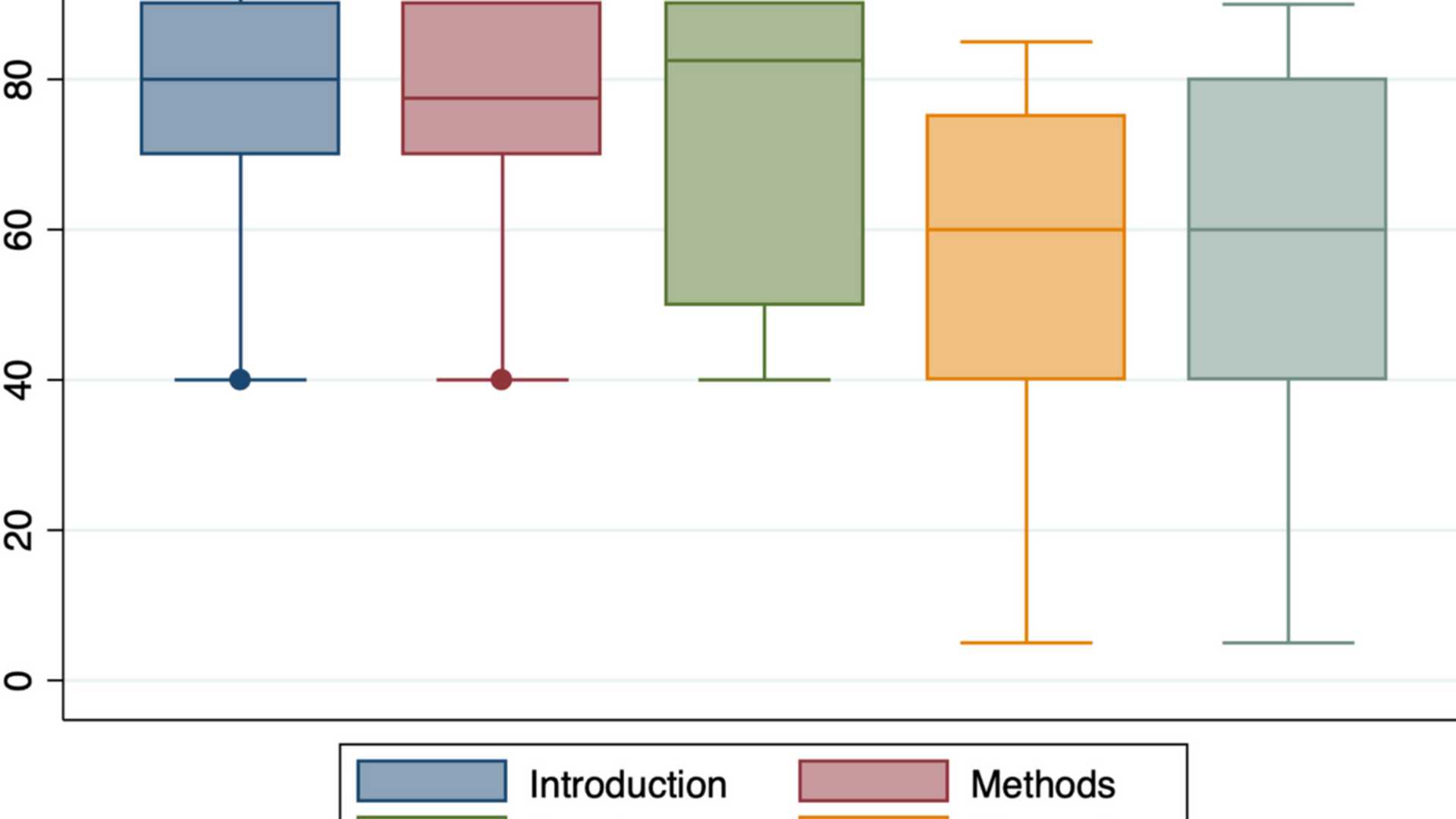
The study involved inputting the introduction, methods, and results sections of a published article from a high-impact journal into the AI model. Subsequently, the AI application generated a discussion and conclusion based on the provided text using a standard prompt. Experienced reviewers, who were blinded to the origin of the content, evaluated all sections of the hybrid article. An analysis of variance was performed to identify any significant differences in the scores provided by the reviewers.

The findings revealed that the AI-generated discussion and conclusion received median scores that were comparable to the other sections. Most reviewers recommended acceptance for publication after major revisions, indicating that the AI-generated content was deemed suitable for high-impact journal publication following refinement.
Advancements in AI Technology
Recent advancements in AI technology have demonstrated the capabilities of large language models like Chat GPT in various domains, including medical research. These models have shown proficiency in tasks such as achieving passing scores on medical licensing examinations, highlighting their potential in knowledge-based fields.

Within the orthopaedic community, AI has been leveraged to enhance clinical decision-making and improve patient care. From predicting outcomes of surgical procedures to analyzing radiographic images with precision, AI is proving to be a valuable tool in orthopaedic research and practice.
Challenges and Recommendations
Despite the progress in AI-generated content, challenges remain, especially concerning the integration of AI in scientific writing. Safeguards are being implemented to ensure the integrity and quality of content produced by AI. Recommendations by journal editors emphasize the importance of transparency in disclosing the use of AI in research.
In conclusion, the study underscores the potential of AI in generating scientific discussion that can pass peer review and meet publication standards. As AI continues to evolve, its role in scientific content creation warrants further examination to uphold the principles of scientific integrity.