Beyond Nvidia: the search for AI's next breakthrough | National ...
For a brief moment, AI chip giant Nvidia reigned as the world's largest company. However, behind its remarkable success lie questions about the possibility of new players making their mark in the artificial intelligence domain.
Nvidia, renowned for producing the processors crucial for training generative AI's extensive language models, has ascended to the ranks of Big Tech. This ascent has not only propelled its stock market performance but has uplifted the entire sector. Even second-tier tech companies like Oracle, Broadcom, and HP have witnessed surges in their stock valuations, buoyed by Nvidia's success.
The Quest for Innovation
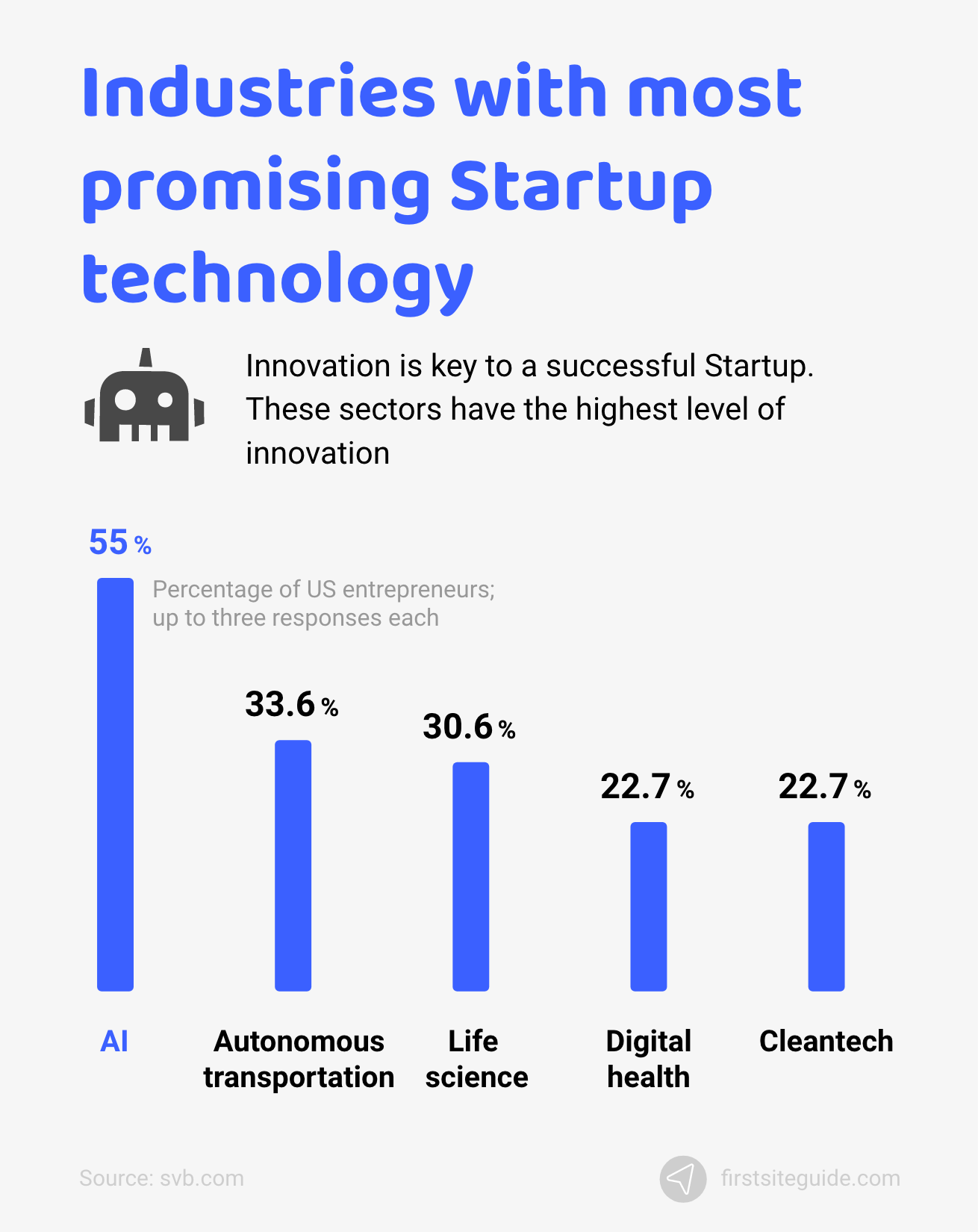
Amidst the celebrations, startups vying for the attention of Silicon Valley investors face the daunting task of innovating in a landscape where the future of AI remains uncertain. The dominance of Microsoft-backed OpenAI, Google, and Anthropic in the field of generative AI poses challenges for emerging companies.
According to tech entrepreneur Mike Myer, the current environment may not be conducive to establishing foundational AI companies. The Collision technology conference in Toronto served as a platform for experts to deliberate on the future of AI and its implications for the tech industry.
Specialized Chip Design
While some companies have attempted to develop applications leveraging existing AI models, Silicon Valley behemoths have shown reluctance towards such endeavors. Venture capital veteran Vinod Khosla underscored the importance of distinguishing between applications that add value and those that are merely transient in nature.
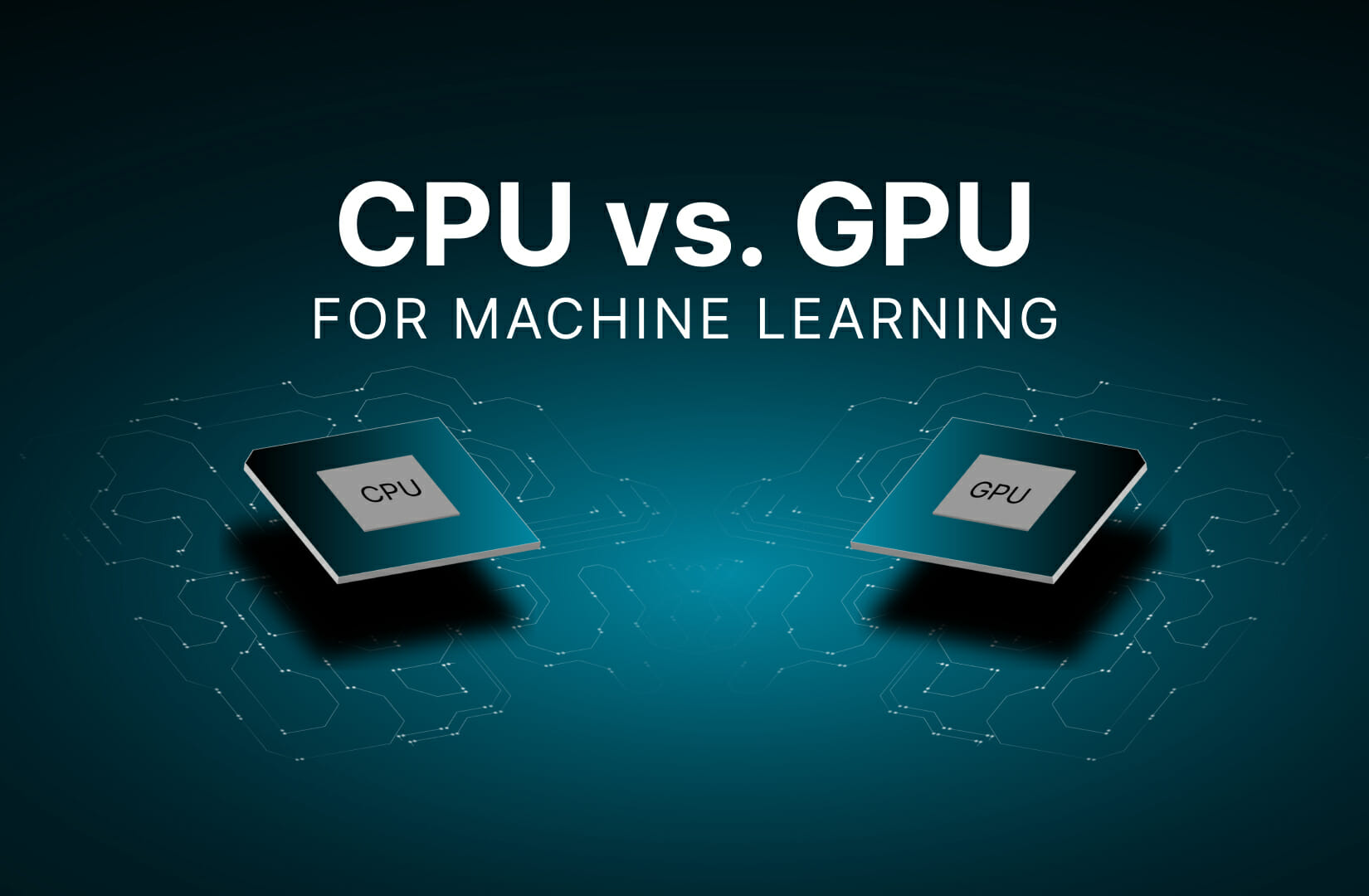
One promising avenue for innovation lies in chip design, as AI applications demand increasingly specialized processors. Groq, a notable startup in this domain, has positioned itself as a key player in developing chips tailored for AI deployment, complementing Nvidia's focus on AI training.
Exploring New Horizons
Jonathan Ross, CEO of Groq, emphasized the potential for companies to excel in areas beyond Nvidia's expertise, particularly in AI inference. By catering to niche markets and offering specialized AI services, startups like Cohere are carving out their space in an industry dominated by tech giants.
Cohere's CEO Aidan Gomez highlighted the importance of building trust with enterprises wary of AI technologies. By delivering custom-made AI models and ensuring reliability and security, startups aim to address the apprehensions surrounding AI adoption.
As the quest for AI's next breakthrough continues, the tech industry stands at a critical juncture where innovation and specialization are key to unlocking new possibilities.
Originally published on doc.afp.com, part of the BLOX Digital Content Exchange.