#423: Die Hard, Calmwashing, and Cosplaying the Future
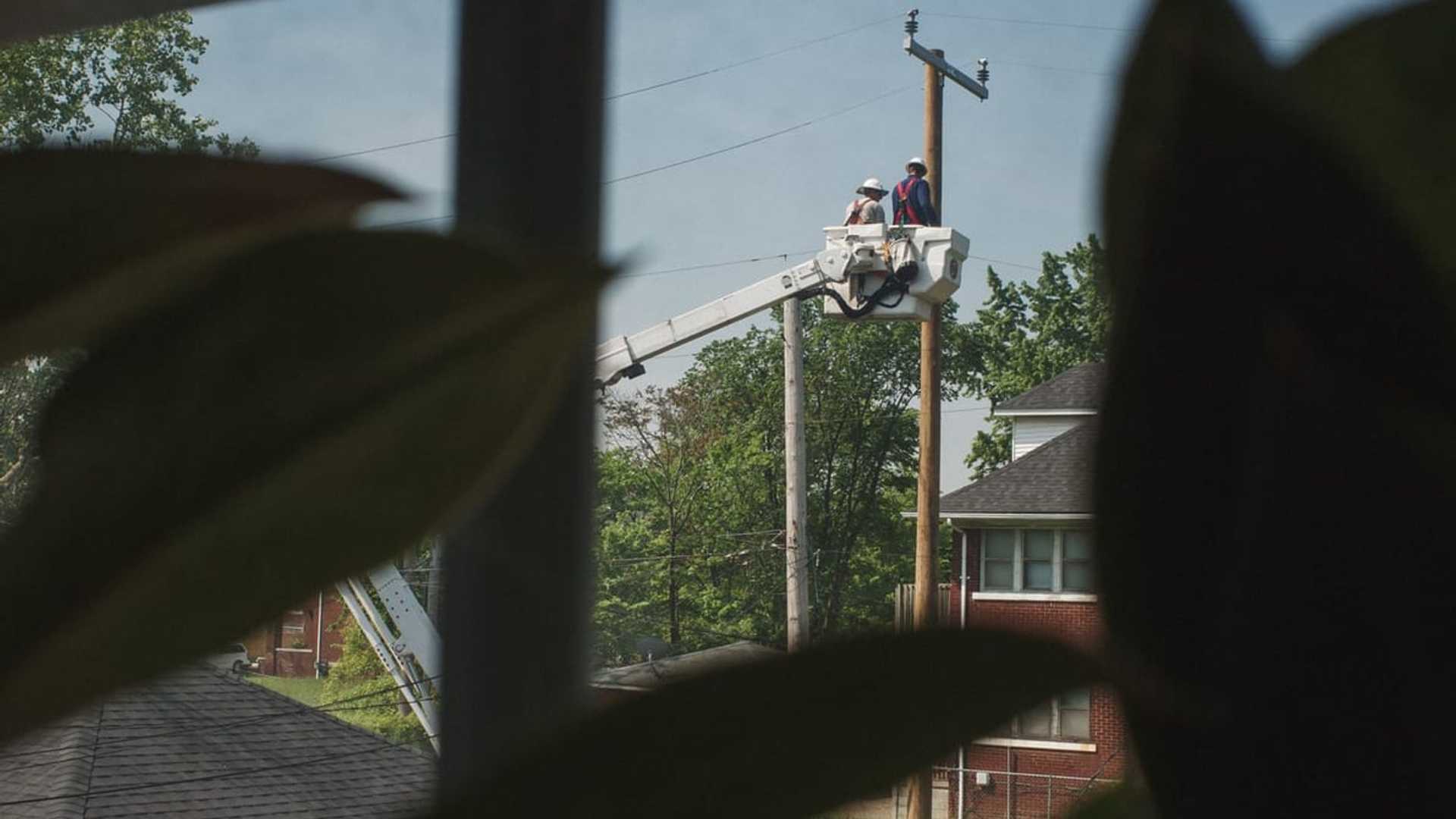
I recently finished reading Deb Chachra’s eye-opening book, How Infrastructure Works, which led me to contemplate the juxtaposition of the intricate infrastructural systems described in the book with the adrenaline-fueled action of Bruce Willis movies. While infrastructural systems are often characterized as Odes to Boring, requiring meticulous attention and oversight to function seamlessly, the Die Hard film series presents a stark contrast with its high-octane sequences where the protagonist, John McClane, navigates and confronts threats to these systems.
The Essence of Die Hard
In the Die Hard films, the villains consistently seek to disrupt infrastructural systems for personal gain, setting the stage for McClane to demonstrate his unique ability to understand and adapt to these invisible systems. This dynamic is what defines the essence of Die Hard and sets it apart from conventional action thrillers. Films like Contagion, Shin Godzilla, and Lord of War also delve into the complexities of invisible systems and the individuals who navigate them, showcasing a different facet of heroism.

Reflecting on these narratives, I am reminded of the concept of the "systemic sublime," a term that encapsulates the awe-inspiring complexity and interconnectedness of infrastructural networks and the individuals who interact with them.
Exploring Tech and Vision
Shifting gears to the realm of technology, the recent buzz surrounding Scarlett Johansson's collaboration with Open AI and discussions within the Building Beauty community underscore the challenges of collectively envisioning the future. It's a reminder that crafting a shared vision, whether on a personal or communal level, is no small feat.
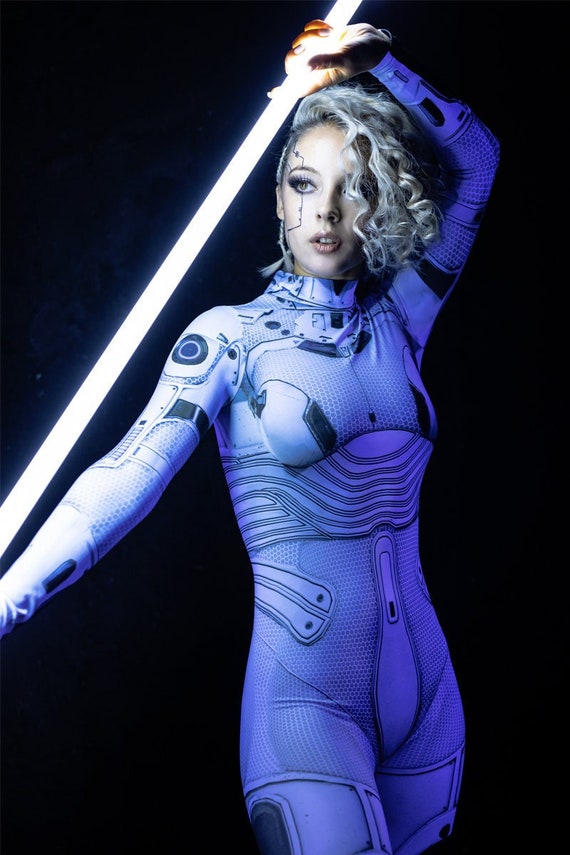
Tech companies often draw inspiration from sci-fi classics like Her, blurring the lines between fiction and reality in a form of cosplay. This emulation stems from a desire to integrate captivating visions of the future into our present-day experiences, a sentiment akin to embracing our favorite fictional characters as part of our identity.
Rethinking Future Narratives
As we explore the intersection of technology and storytelling, it becomes evident that fiction serves as a gateway to collective visions of the future. Every novel, in essence, becomes a prototype of what lies ahead, shaping our perception of potential realities. However, if the technological innovations of today feel derivative or stagnant, perhaps it signals a need for more compelling narratives that inspire fresh perspectives on the world around us.
In conclusion, as we navigate the ever-evolving landscape of technology and storytelling, let us embrace the diversity of narratives that shape our understanding of the present and illuminate the possibilities of the future.