AI Research Scientist - Computer Vision (Technical Leadership) at Meta
If an employer mentions a salary or salary range on their job, we display it as an "Employer Estimate". If a job has no salary data, Rise displays an estimate if available.
Join Meta as an AI Research Scientist
Meta is on the lookout for brilliant minds to join our team as AI Research Scientists focusing on Computer Vision and Technical Leadership. This is an incredible opportunity to work at the forefront of artificial intelligence, deep learning, and machine perception. If you're passionate about pushing the boundaries of technology and understand the intricacies of computer vision, we want to hear from you!
As an AI Research Scientist at Meta, you'll get to contribute to groundbreaking research that enhances how machines learn the semantics of various forms of data like images, video, audio, and text. Your role will not only involve independent project leadership but also collaborating with cross-functional teams to translate innovative ideas into production-ready solutions that impact Meta products.

With responsibilities ranging from designing complex systems to conducting practical experiments in Augmented Reality and Virtual Reality, this position promises a dynamic work environment. If you hold a strong academic background, preferably with a PhD in a relevant field such as Computer Vision or Robotics, and possess robust experience in applying research to real-world challenges, you could be the perfect fit! Join us in crafting intelligent solutions that redefine how computers perceive and interact with the world. Your expertise will pave the way for the next generation of AI technologies at Meta.
Advance Your Career at Meta
As an AI Research Scientist focusing on Computer Vision at Meta, you will advance the science and technology behind intelligent machines. You'll engage in high-impact research, designing and implementing algorithms that enable computers to understand and process various data types, including images, videos, and text. Independently leading projects and collaborating across teams, you'll translate groundbreaking research into practical applications impacting Meta products.
Qualifications for the Role
To qualify for the AI Research Scientist position at Meta, candidates should have at minimum a Bachelor's degree in Computer Science or a related field, ideally coupled with a PhD in areas such as Computer Vision, Robotics, or AI. Additionally, substantial experience in applying research to production problems, along with a proven track record of publications in peer-reviewed conferences, is essential. Experience with programming languages such as C++ and Python is also important.
Key Responsibilities
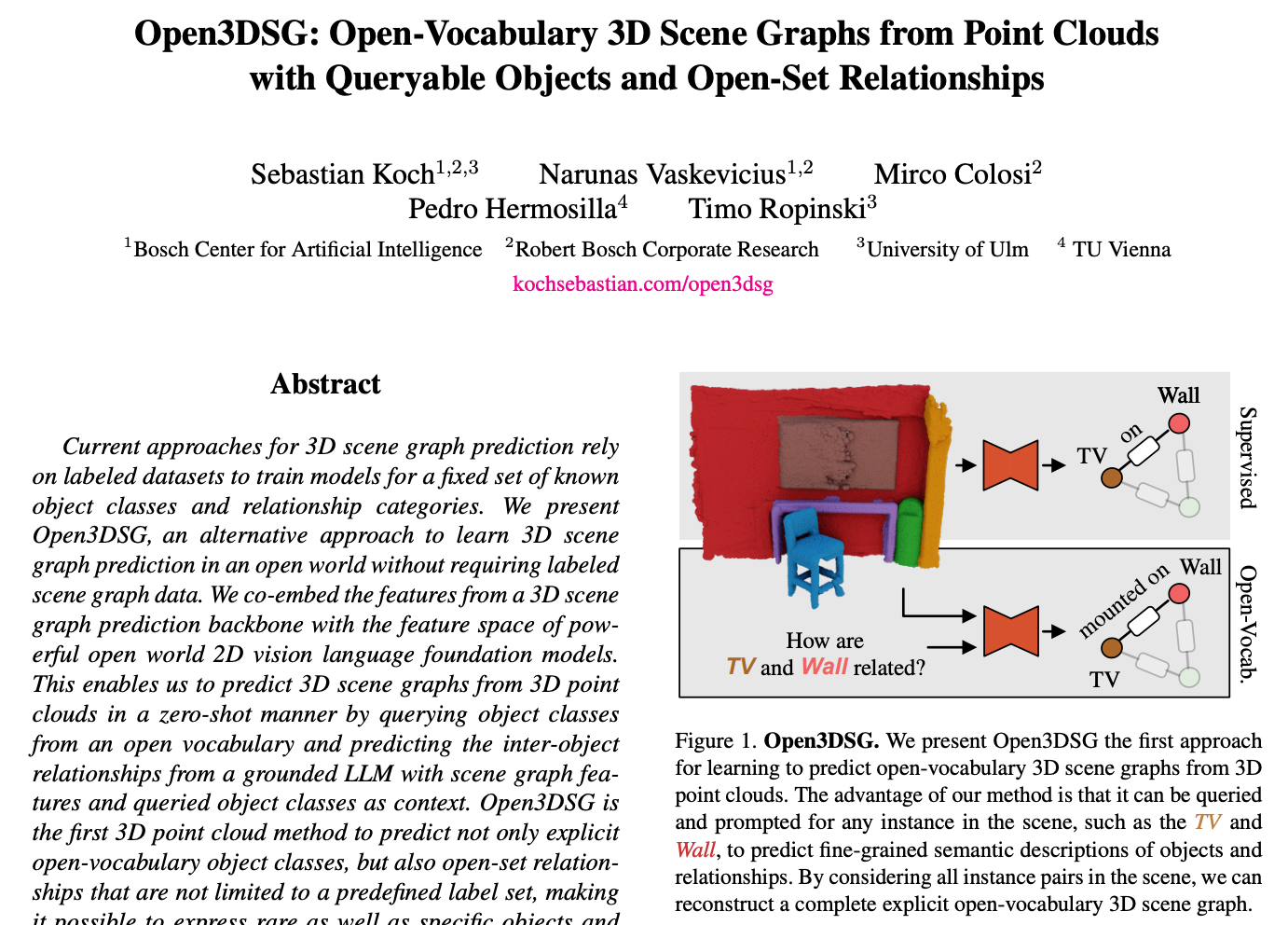
AI Research Scientists at Meta will tackle projects of varying complexity, focusing on enhancing machine perception, mapping, and localization aspects. This includes cutting-edge research on 3D scene understanding and conducting experiments that integrate large-scale data with machine reasoning, all aimed at pushing the boundaries of technology in AR and VR systems.
Collaboration and Skills
Collaboration is crucial for an AI Research Scientist at Meta. You'll work alongside a diverse team of researchers and engineers, sharing ideas, developing experiments, and building prototypes that advance state-of-the-art technologies. This teamwork fosters innovative solutions in machine perception and creates opportunities for impactful discoveries that could change the landscape of AI.
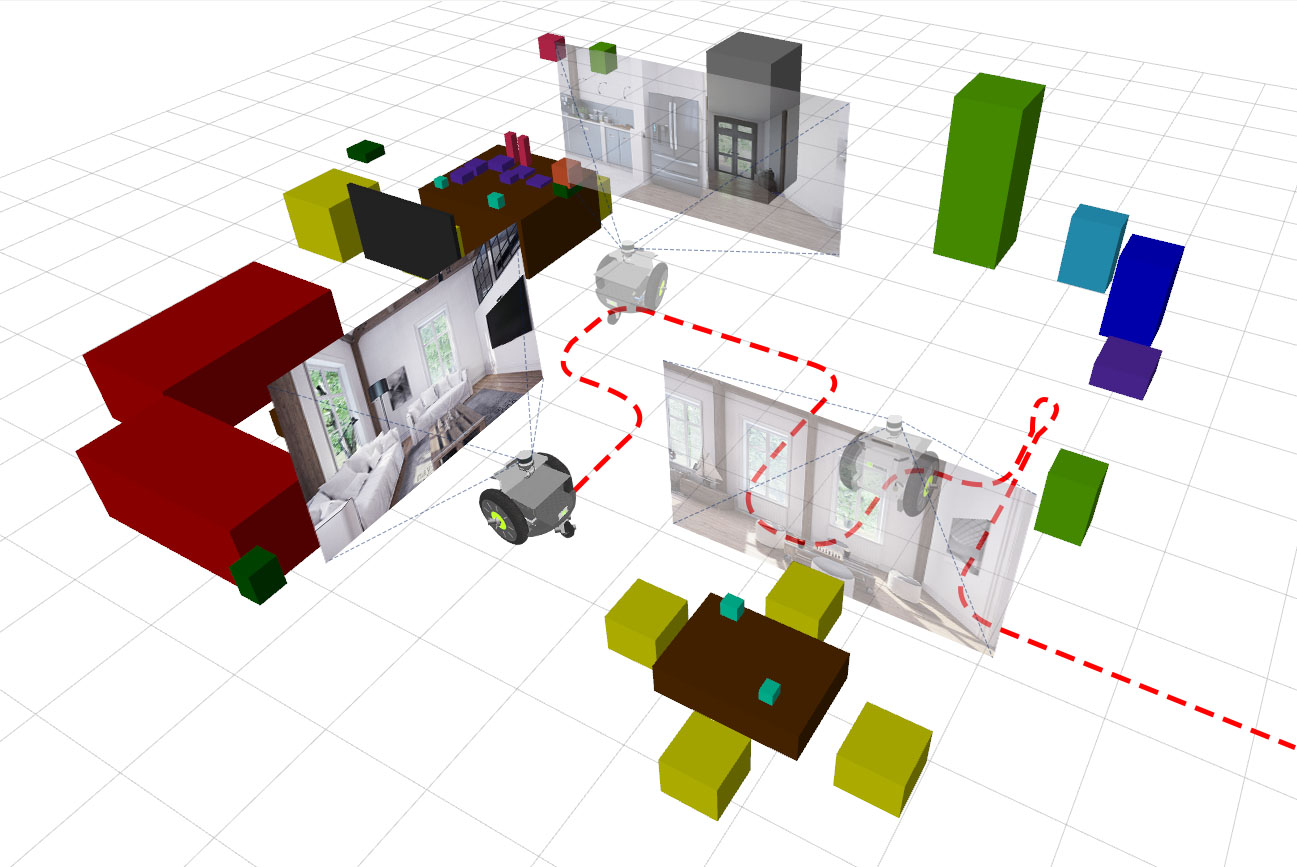
Essential skills for the AI Research Scientist role at Meta include a firm grasp of AI and machine learning techniques, particularly in computer vision. Proficiency in programming languages like C++ and Python, along with hands-on experience in implementing algorithms related to 3D vision and sensor fusion, is necessary. Furthermore, having strong communication skills to convey research findings effectively to various audiences is vital.
Showcase Your Expertise
Highlight specific projects where you implemented deep learning algorithms, detailing their impact on computer vision tasks. Discuss the challenges you faced and the metrics that demonstrate the success of your solutions.
Explain your approach to designing experiments, including hypothesis testing, data collection strategies, and validation techniques. Discuss how you ensure that your experiments are reproducible and result-oriented.
Leadership and Problem-Solving
Select a specific problem and outline the challenge, your analytical process, the solution you implemented, and the outcome. This illustrates your problem-solving abilities and dedication to overcoming obstacles in AI research.
Discuss your leadership style and how you foster collaboration within diverse teams. Emphasize your experience in guiding projects, mentoring team members, and facilitating communication among stakeholders.
Technological Proficiency and Research Impact
Choose an algorithm or model you're familiar with and break it down into understandable components. Highlight its real-world applications and how it contributes to advancements in AI and machine perception.
Share your method for balancing various responsibilities, focusing on your organizational skills and decision-making process. Explain how you set short-term and long-term objectives to keep projects on track.
List the tools and frameworks you've used, providing reasoning for your choices based on project needs. Mention your experience with programming in C++ and Python within these frameworks.
Evaluation and Future Directions
Explain your metrics for evaluating research success, including performance benchmarks, peer feedback, publication impact factor, and real-world implementation results. Discuss how this informs your future research directions.
Share your perspective on emerging trends and potential breakthroughs in AI and computer vision. Speculate on how these developments might transform industries and influence ongoing research at Meta.