Google AI tool summarizes media, answers questions | Northwest ...
After buying my first expensive skin cream, I instantly felt buyers' remorse. Had I wasted my money? The answer is yes. My education began when I spotted a YouTube video titled: "Number One Skin expert: three biggest myths about anti-aging, collagen and sunscreen, by Professor John McGrath." McGrath is a professor of molecular dermatology at King's College, London, and editor of the British Journal of Dermatology. His research transformed our understanding of genetic skin disorders and vitamin D's role in skin health.
Google's "NotebookLM" for Summarizing Content
OK, so that's awesome, but I didn't have the patience to listen to McGrath for over an hour. So I went to Google's NotebookLM to get a summary of it, then fired off my questions. You can do this too. On a computer, go to NotebookLM.google.com, click "upload a source" and tap "YouTube." Be sure you've copied the YouTube video's web address from the top of the page, then click "insert," and paste it in. Besides offering a summary, NotebookLM will take your questions.
Simple Skincare Recommendations
In my case, it took but a few seconds to learn that "expensive anti-aging creams often lack scientific proof of deep penetration and primarily offer superficial improvements, while collagen powders are largely ineffective because the body digests them into basic amino acids rather than directly integrating them into skin collagen." McGrath recommends a simple skincare routine of cleansing, moisturizing, and applying sunscreen. If you want something more, there's retinol, which is relatively cheap. He says its anti-aging effects are backed by science. Unfortunately, I'm allergic to it.

Microsoft Copilot Feature
"Would you like my help with that?" Microsoft Copilot asked me, referring to an email I had on my computer screen. "That's right up my alley." I felt violated. Who told Copilot to read my email? Evidently I did. It's part of its new "Vision" feature, which allows Microsoft's artificially intelligent bot to see whatever you have on your screen, whether it's an email, a private online diary, or an ordinary web page.
Stablecoins in Retail
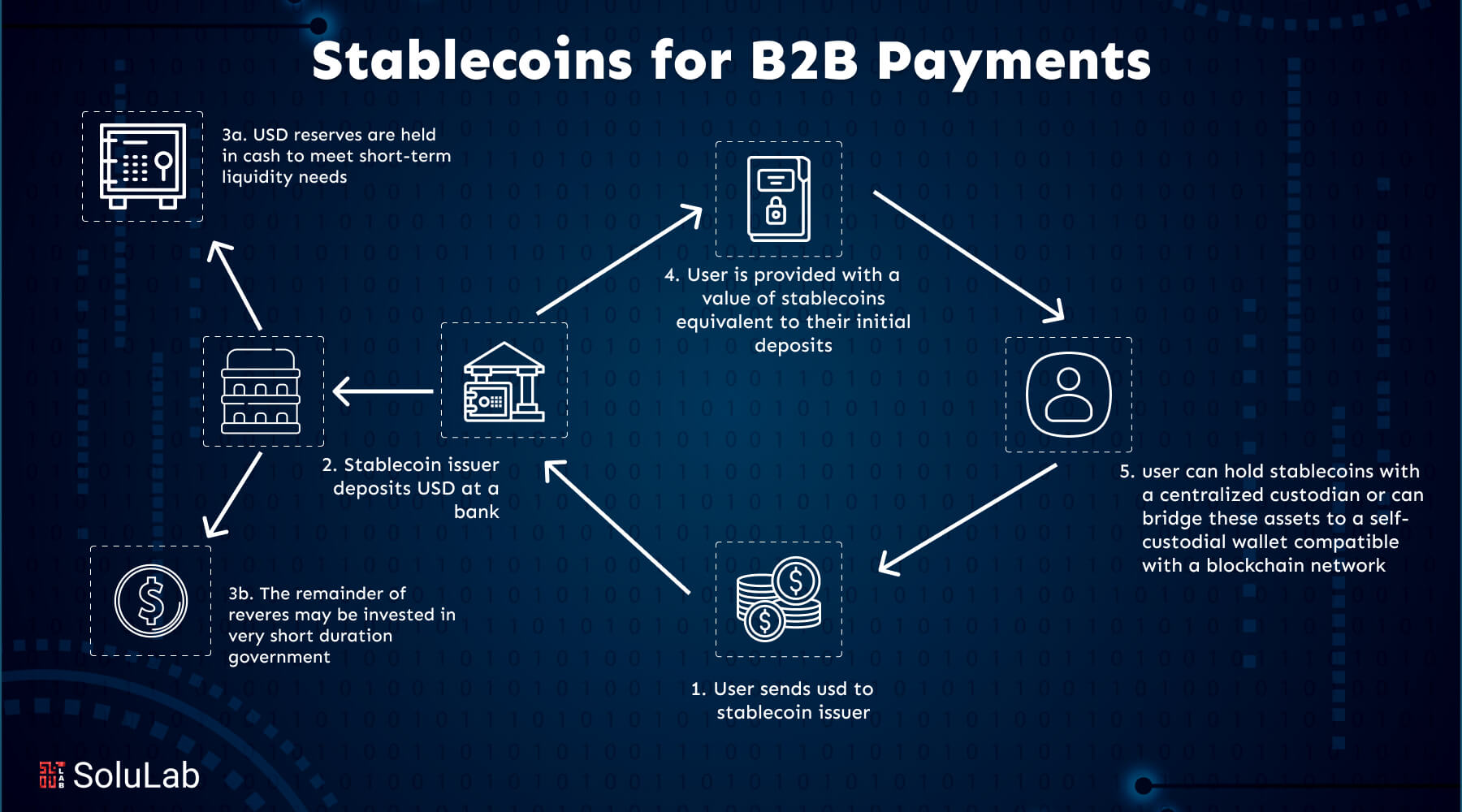
You may have read that Walmart and Amazon are thinking of offering a way to pay for purchases with stablecoins, a form of cryptocurrency. But do you know how it would work? At checkout, you'd use your new stablecoin card just like you'd use a credit card. But in this case, it would automatically convert money from your bank account into stablecoins, cutting out the fees paid to Visa or Mastercard. You might not even be aware that stablecoins were involved. But you'd probably be happy to get a discount for using your new card.
AI-Generated Ads
Here are some scenes from a recent ad that aired during the NBA finals: A shirtless old man wrapped in an American flag shouts, "Indiana gonna win, baby!" A young woman next to an alligator screams, "We're in Florida asking people what they put their money on!" A man in a pool of eggs predicts that prices will go to $20 a carton. The ad is for a trading platform called Kalshi. It ends with the phrase: "The world has gone mad, trade it."
Though ads like this ordinarily cost around $30,000 to make, this one only cost $2000, using Google's new video generator, Veo 3. What's more, it took Veo only two or three days to come up with 15 usable clips. Google's Gemini AI furnished the prompts typed into Veo's search box. A human used a video editing program to polish the results.