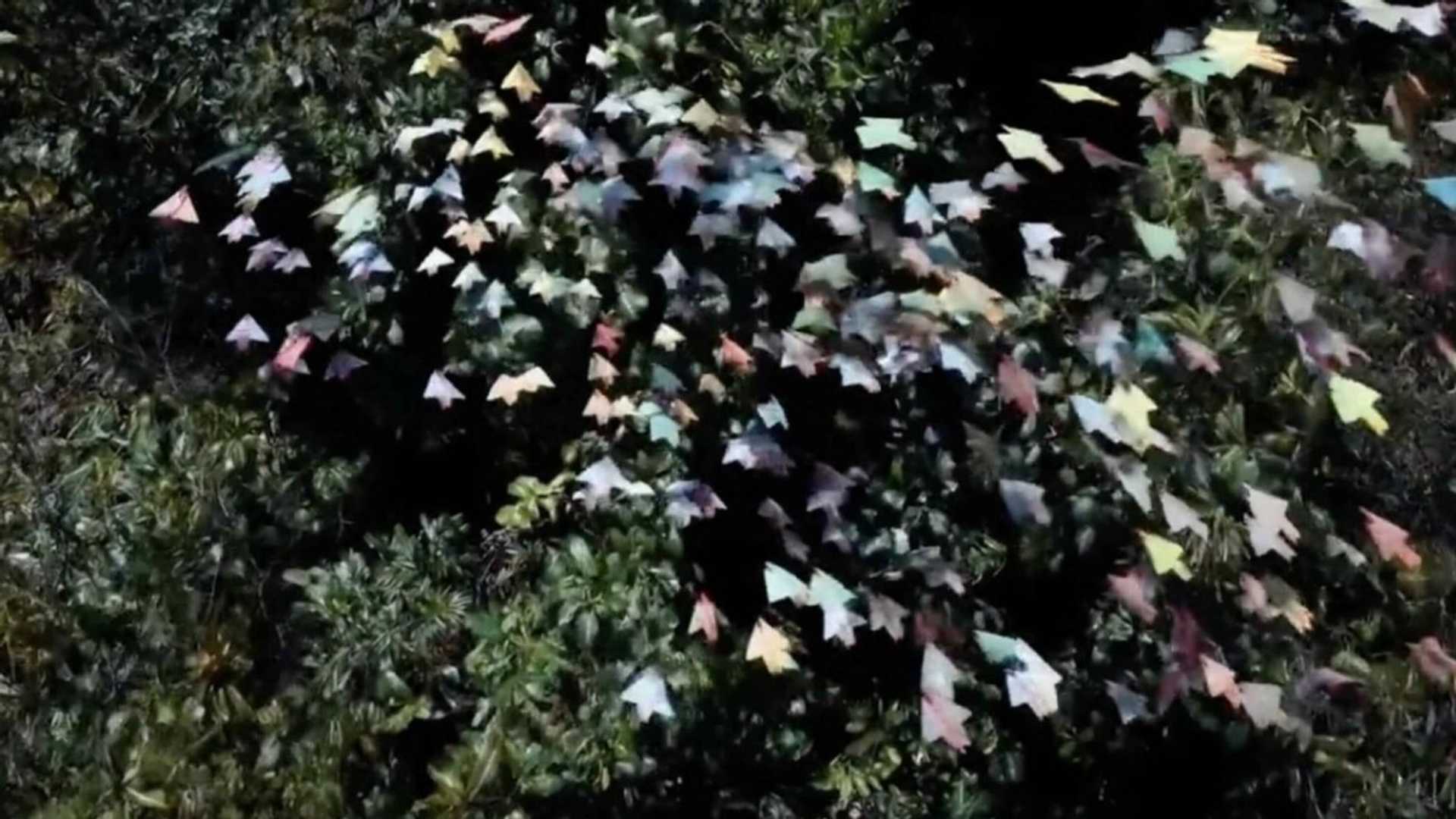
Introduction to Sora Video-Creation Tool by OpenAI
OpenAI has officially launched its groundbreaking video-creation tool, Sora, to the public. This innovative software, released on a Monday, utilizes advanced generative artificial intelligence technology similar to that which powers ChatGPT. With Sora, users can effortlessly transform plain-text prompts into captivating, artificially generated video loops.
Evolution of Sora
Back in February 2024, OpenAI provided a sneak peek of Sora by granting a select group of filmmakers and artists early access for testing purposes. Fast forward to today, and the tool is now available for anyone with a paid ChatGPT account to explore and experiment with.

Feature Highlights
Depending on their subscription level, users can enjoy different perks. ChatGPT Plus subscribers have access to 720p resolution and five-second video clips, while ChatGPT Pro members can utilize full 1080p resolution and create longer videos.
Aside from the resolution specifications, Sora offers a range of exciting features. Users can remix videos, sequence together different prompts to craft cohesive scenes akin to a movie, and even animate still images into dynamic video clips.
OpenAI debuts Sora, a tool to make instant videos from written prompts

Responsible Implementation
OpenAI has emphasized the importance of responsible usage of this video generation technology. In a blog post, the organization stated, "We’re introducing our video generation technology now to give society time to explore its possibilities and co-develop norms and safeguards that ensure it’s used responsibly as the field advances."
Sora-generated videos will contain optional watermarks and embedded metadata indicating their AI-generated origin. OpenAI has also announced initial restrictions on uploading footage of humans and a commitment to blocking content that could facilitate the creation of harmful deepfakes or exploitative material.