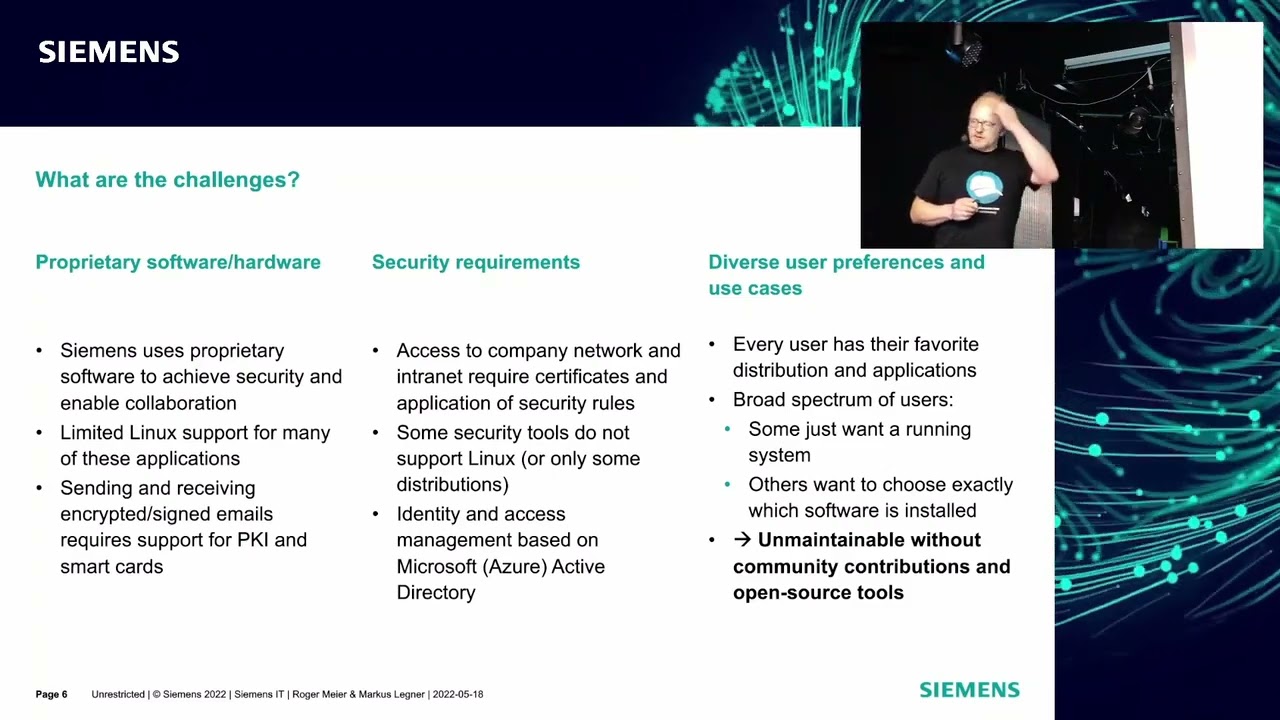
“Inner source practices enable large organisations to break down information silos and promote internal collaboration”
In a recent conversation, Laxminarayan Chandrashekar, Principal Software Engineer at Siemens Technology and Services Private Limited, shared insights on how Siemens has been actively engaging with the open source community.
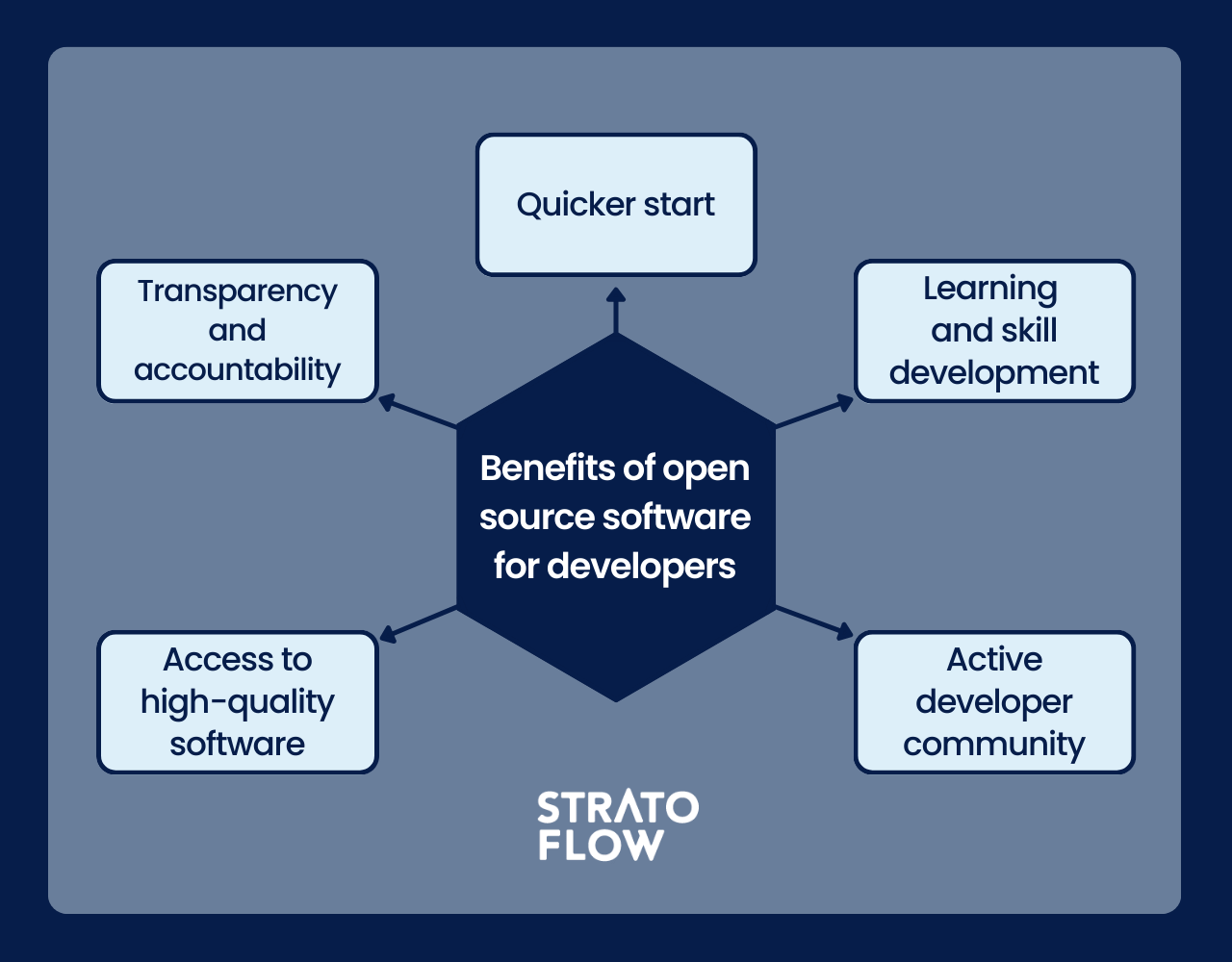
Laxminarayan emphasized the numerous advantages that open source offers to companies, including Siemens. By leveraging freely available source code, organisations can save time and resources by avoiding the need to reinvent solutions from the ground up. The absence of licensing fees and the community-driven approach to security vulnerabilities further enhance the appeal of open source. Siemens not only utilizes open source but also promotes a culture of open source contributions within its teams.

One key aspect of Siemens' approach is the active contribution of enhancements back to the original projects through merge/pull requests. This not only reduces costs associated with licensing but also allows developers to deepen their expertise in open source projects. Siemens maintains and contributes to a variety of open source projects, which can be explored at https://opensource.siemens.com.
Strategic Decision-making
When it comes to balancing profitability and open source advocacy, strategic decision-making plays a crucial role. Laxminarayan believes in open sourcing peripheral tools and utilities that align with product requirements and benefit the community, while keeping core intellectual property proprietary. By sharing tried and tested utilities, the community can benefit from Siemens' expertise, and collaborative enhancements can be made.

Open sourcing peripheral components not only strengthens the open source ecosystem but also allows for controlled integration of external contributions while retaining core IP ownership.
Evaluation of Open Source Projects
When evaluating open source projects, Laxminarayan emphasizes the importance of considering maintainers' expertise, commitment, and rigorous testing procedures. Establishing a curated catalogue of approved versions and libraries, along with clear procedures for incorporating new components, helps streamline open source adoption within organisations.
Selecting Open Source Licences
Choosing the right licence for an open source project is essential and should align with the project's goals and desired level of freedom or restriction for users. Popular licences such as GNU GPL, MIT, Apache, and BSD offer different levels of permissions and restrictions.
Ensuring Security and Reliability
Verifying the authenticity and reliability of open source libraries is critical, considering many are maintained part-time, which can pose challenges in terms of security and updates. Following best practices such as reviewing documentation, monitoring community discussions, and implementing rigorous testing processes can help ensure the security and stability of open source projects.
Benefits in Legal and Consumer-facing Industries
Open source and AI/ML have brought transformative changes to the legal industry, although concerns about protecting contributions from unauthorized commercial use exist. Establishing legal frameworks to address copyright issues is essential. In consumer-facing applications, technologies like Angular, React, and Vue have revolutionized web development, enabling faster time-to-market and efficient prototyping.
By embracing inner source practices, large organizations can dismantle information silos, promote collaboration, and pave the way for effective open source adoption. Establishing a culture of transparency and knowledge sharing within organizations is key to identifying components suitable for open sourcing and contributing effectively to the open source community.