
The 3-Step Negativity Detox | Psychology Today Ireland
When we fall prey to perfectionism, we think we’re honorably aspiring to be our very best, but often we’re really just setting ourselves up for failure, as perfection is impossible and its pursuit inevitably backfires.
 Verified by Psychology Today
Posted December 2, 2024
Verified by Psychology Today
Posted December 2, 2024
Introduction
If forgetting to pay for parking was a sport, I would be an Olympic medalist! But this isn't just a story about another one of my parking ticket fails. It's about how a $40 fine unexpectedly led me down a path of self-discovery and a whole new perspective on negativity.
Breaking the Cycle of Negativity
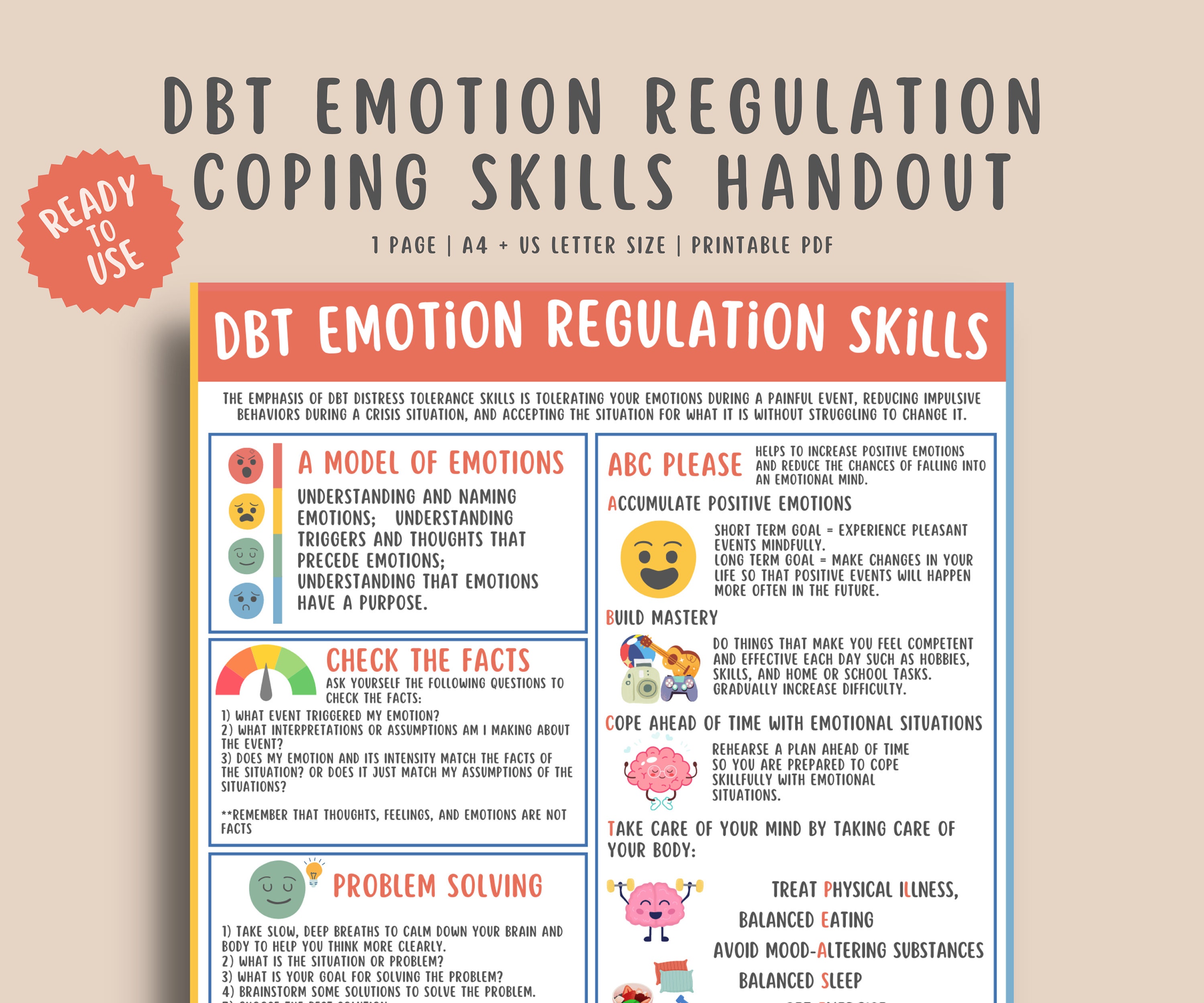
A parking ticket can often trigger a cycle of negativity, seeking validation from others, and self-criticism. However, a moment of self-reflection can lead to a shift in mindset - realizing the impact of negativity and the importance of emotional regulation.
Key Learnings
1. Hit the Pause Button: Next time negativity takes over, pause and ask yourself why you are engaging in it. Recognize if you are seeking validation or connection through complaining.

2. Own Your Power: Challenge negative thoughts, find a silver lining, and take control of your reactions to negativity. Choose a different, empowering path.
Embrace the Shift (and Go Solo)
Decide how much power to give negativity, recognize when you need support, and when you can handle things independently. Feel the empowerment of self-reliance.

By transforming our own negativity, we can create a ripple effect of positivity that extends beyond ourselves, fostering a mindset shift and reclaiming control over our thoughts and emotions.
Get the help you need from a counsellor near you–a FREE service from Psychology Today.
Psychology Today © 2024 Sussex Publishers, LLC