AI: Next battle, earning mainstream users' 'AI Trust'. RTZ #710
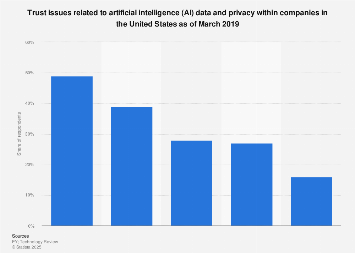
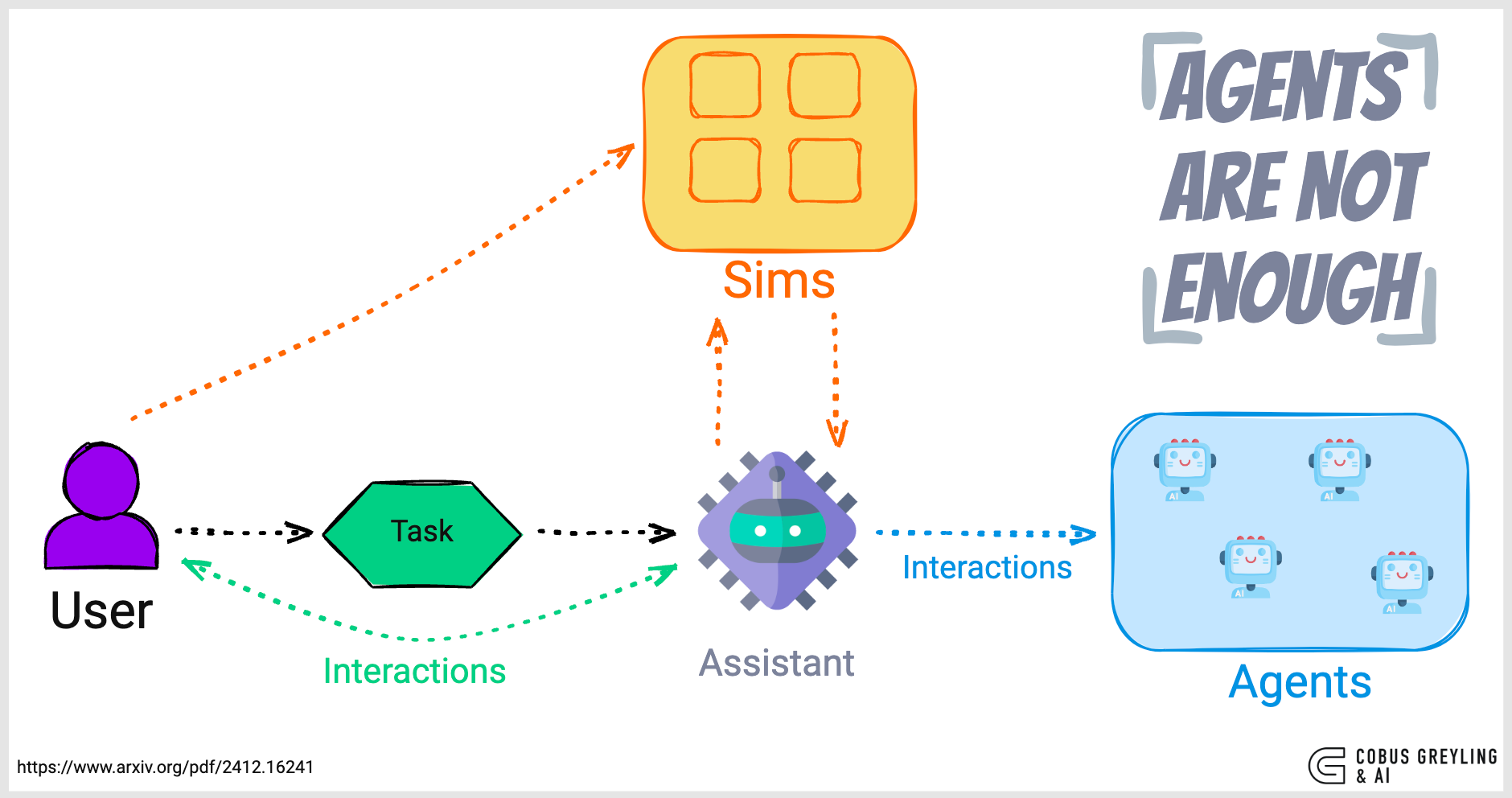
As has been discussed in these pages for some time now, the coming age of ‘AI Agents’, ‘AI Companions’, and physical ‘AI Robots’, all engender increasing amounts of AI Trust and Privacy issues. Especially as we accelerate to mainstream using dozens if not hundreds of AIs daily (small and large), without even realizing it. All via their AI powered devices, applications, and services. Especially since most of the AI ‘bots’ that do their AI Inference thing first on a ‘machine to machine (m2m) basis, before serving up results to our queries and needs.
The Next Battleground: Earning AI Trust
Getting user trust in AIs is the next battleground for tech companies large and small. Additionally, these AI systems will have increasing ‘AI memory’ capabilities to cater to personal worlds and data. And these systems will have to be reworked to work better on an internet designed for humans rather than bots. These are critical innovations ahead in this AI Tech Wave.
Treating AI Agents like Humans
But the biggest thing is that mainstream users are likely to treat these AI Agents more like humans than machines (anthropomorphize them, in fancier terms). Or at least vest similar amounts of emotions in them as they do for their pets. And volleyballs. And that is an issue since the LLM AI vendors are increasingly incorporating anticipated human reactions in how these AI agents and robots interact with us.
The Information addresses this issue in “What’s Bad About a Nice Robot?” where it discusses OpenAI undoing part of the latest update to its GPT‑4o model after complaints about the personality built into it. This issue becomes significant with Voice AIs doing similar things, so AI robots are the next area for this issue.
The Psychology Behind AI Interactions
The underlying psychology behind this issue is that humans are uncomfortable with positive feedback, which is reflected in how we perceive AI behaviors. OpenAI and others are now racing to enable these emotionally engaging interactions capabilities via their AI Voice UIs for ChatGPT.

Human users are already attuned to these interactions, and it's clear that considerable work needs to be done in educating users on how to use AI products effectively and making them more usable.
Challenges and Future of AI Companions
It’s early days, and every vendor is figuring out the boundaries. Improving the bots’ personalities will take considerable time, as there isn’t enough existing written work to reflect what is ideally wanted from a bot. The broader issue is that very soon, we’ll have hundreds of millions of AI software entities trying to be our companions and assistants.
Meta, OpenAI, Elon Musk’s xAI/X Grok, Google Gemini, Perplexity, Anthropic, and others from China like Butterfly Effect’s Manus, and DeepSeek are all forging ahead with AI systems. Meta, in particular, is aggressively rolling out these AI systems and AI ad monetization to go with it.
The future of AI is rapidly evolving, and earning the trust of mainstream users will be the next battlefront for tech companies globally.