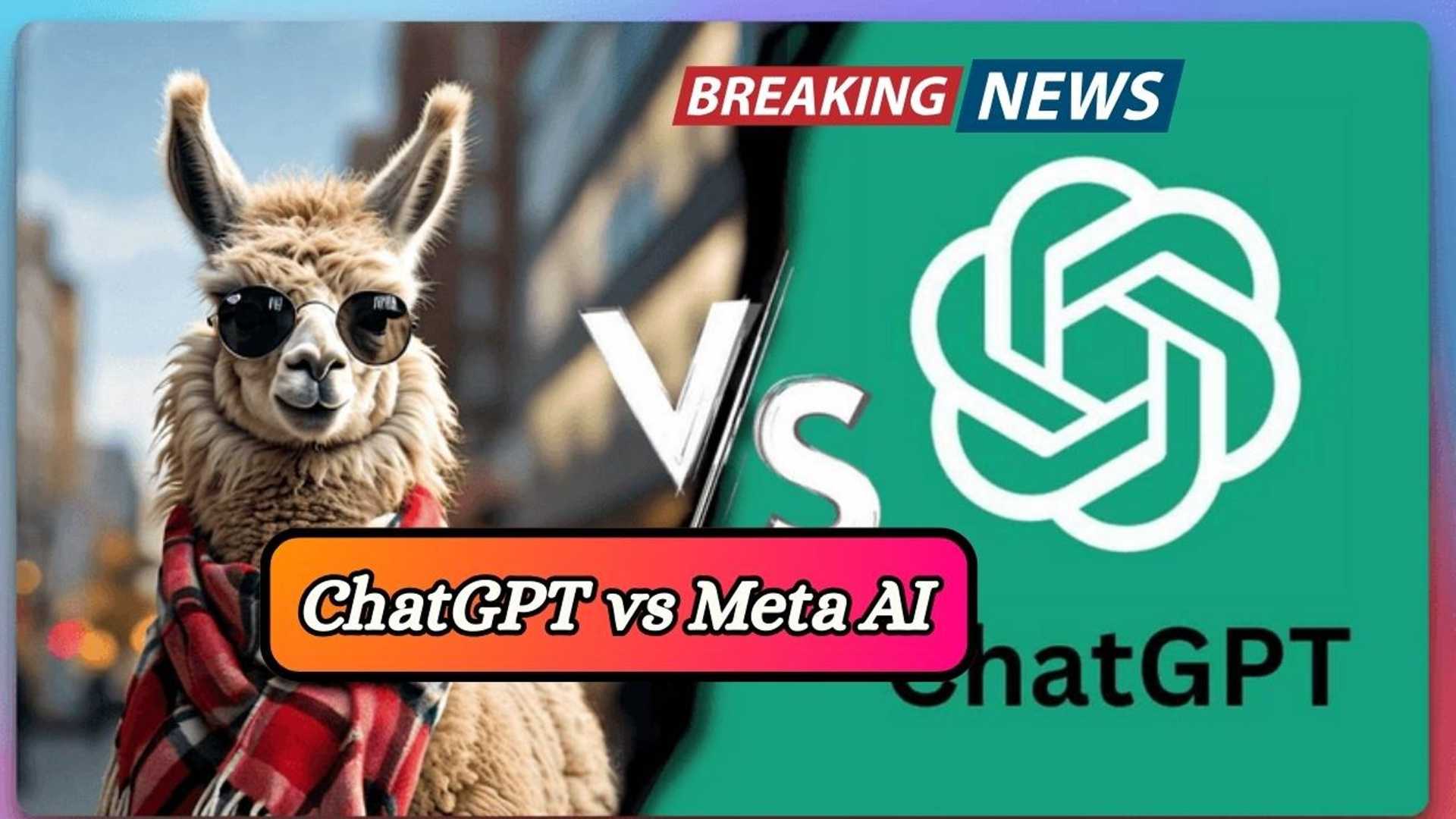
ChatGPT and Microsoft Copilot both shared presidential debate misinformation
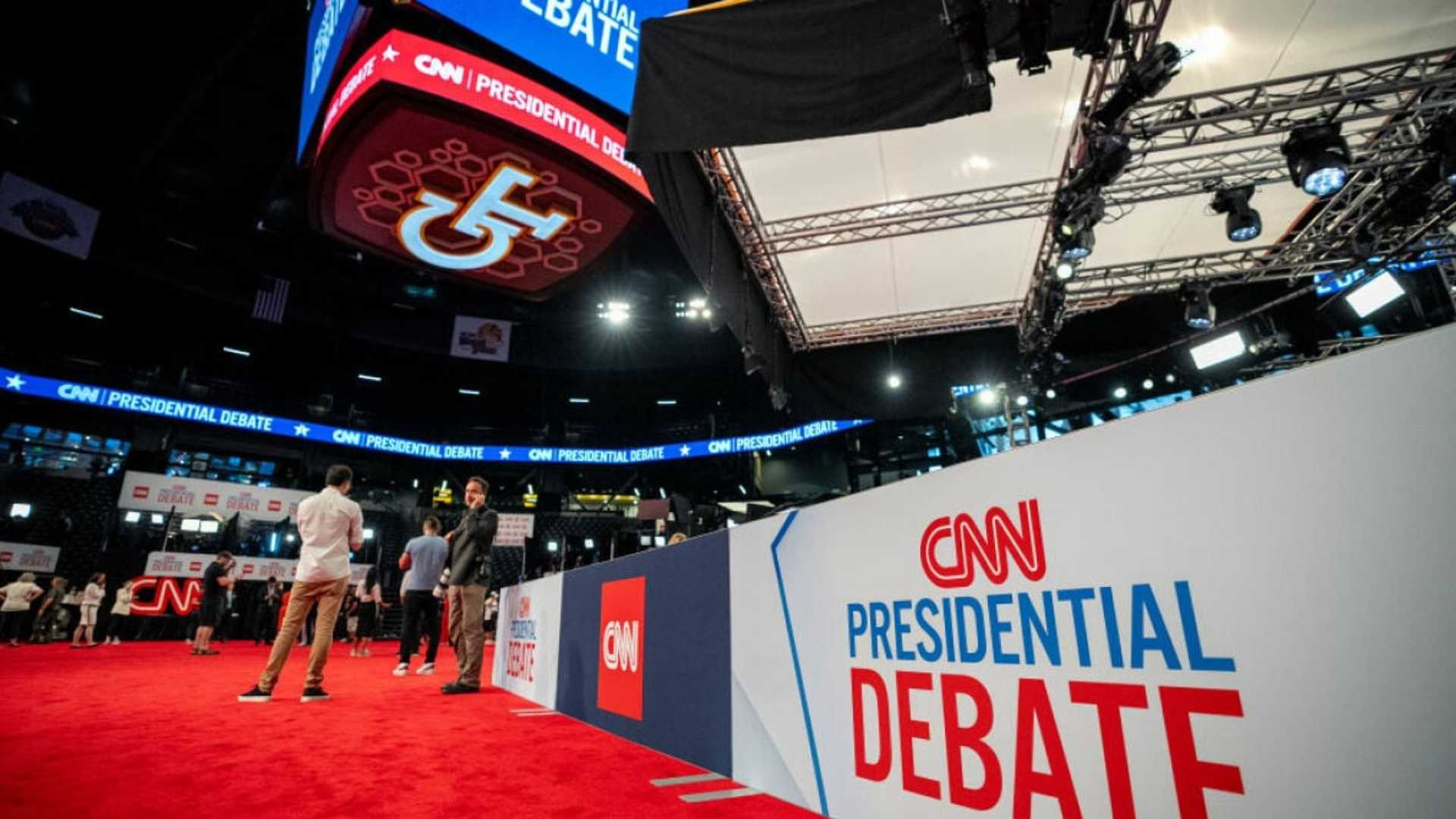
During the presidential debate, both ChatGPT and Microsoft Copilot spread false information that had already been debunked. According to an NBC News report, the two AI models claimed there would be a "1-2 minute delay" in the CNN broadcast of the debate between former President Donald Trump and President Joe Biden. This misinformation originated from a conservative writer named Patrick Webb, who suggested that the delay was to allow for potential editing of the broadcast. However, CNN quickly responded to clarify that this claim was false.
Spread of Inaccuracies
The tendency of Generative AI models to confidently generate false information, combined with scraping unverified real-time data from the web, can lead to the widespread dissemination of inaccuracies. As the U.S. presidential election approaches, concerns about the impact of chatbots on voters are growing. Despite CNN's debunking of the claim, both ChatGPT and Copilot continued to propagate the falsehood in their responses.
AI Misinformation in Elections
When asked whether there would be a broadcast delay, ChatGPT and Copilot confidently asserted that there would be one, referencing sources like Lou Dobbs' website. However, Meta AI and X's Grok provided the correct information in response to similar questions. Google Gemini opted not to answer, citing the political nature of the query.
These incidents highlight the role of Generative AI in spreading election misinformation. Research has shown that AI models from Google and OpenAI LLMs provided inaccurate responses nearly 27 percent of the time. Additionally, a separate study by AI Forensics and AlgorithmWatch revealed that Copilot inaccurately responded to questions about candidates, election dates, and even hallucinated responses about Swiss and German elections.
Impact and Implications
The inaccurate responses from ChatGPT and Copilot underscore the urgent need to address misinformation spread by AI models, especially during critical events like elections. As technology continues to advance, measures must be implemented to ensure the accuracy and reliability of AI-generated content.