
De-extinction contention, Google Gemini's camera perception, and more
De-extinction, a concept that is gaining traction in recent times, raises various questions about the motives behind bringing back extinct species. The recent resurrection of the dire wolf by Colossal Laboratories & Biosciences has sparked debates about the implications of such actions on nature and ecosystems.
The Dire Wolf Resurrection
The dire wolf, a formidable predator from the Pleistocene epoch, is believed to have gone extinct over 10,000 years ago. Colossal Laboratories has successfully brought back this ancient species through genetic engineering techniques like CRISPR genome editing and cloning. While the resurrected wolves, Romulus and Remus, are genetic hybrids of gray wolves, they aim to replicate the physical attributes of their extinct ancestors.
One of the key factors in assessing the success of this de-extinction project is the weight of the wolves. It is essential for them to reach a size similar to that of the original dire wolves to truly validate the resurrection process.
The Advancement of AI
In the realm of artificial intelligence, advancements like OpenAI's GPT-4.5 and Meta's LLaMa models have raised questions about the human-like capabilities of AI. These models have shown impressive performance in mimicking human behaviour, leading to a discussion on the acceptance of AI in various aspects of life.
Google Gemini's Innovation
Google's Gemini Live feature, which enhances camera perception through AI intelligence, is set to revolutionize user interactions with their devices. This technology allows users to engage with their surroundings in real-time, offering a seamless blend of digital information and the physical world.
The Evolution of AI Models
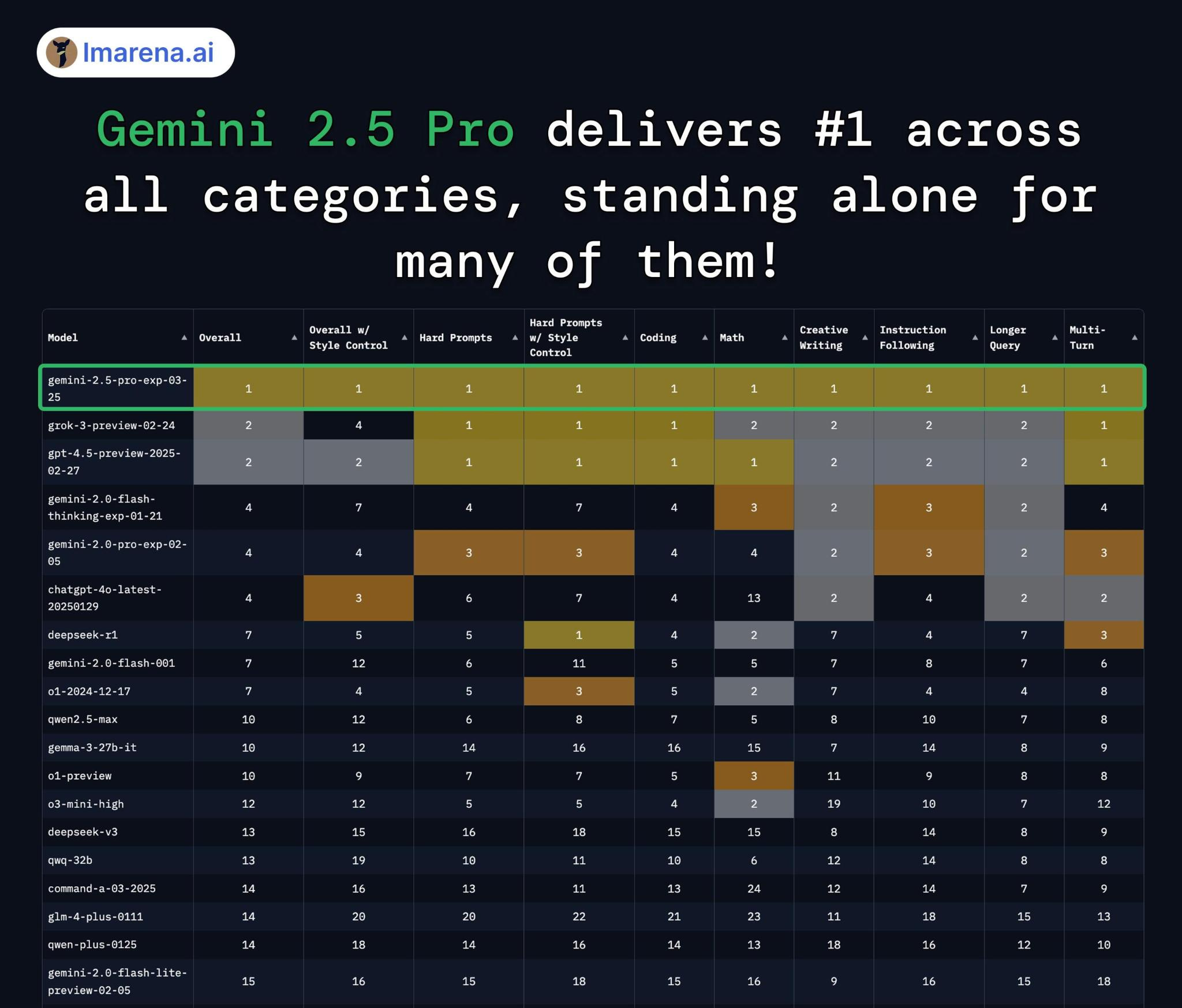
Recent developments in AI models like Gemini 2.5 Pro and Llama 4 series have demonstrated significant progress in reasoning and knowledge capabilities. These models have surpassed benchmarks and set new standards in the field of artificial intelligence.

However, challenges like fair evaluation and transparency in AI benchmarking continue to shape the narrative around the deployment of advanced AI technologies. The need for consistent and reproducible evaluations remains crucial for the future development of AI models.
As technology continues to advance, the intersection of science and innovation opens up new possibilities for the future of humanity and the digital landscape.
Stay tuned for more updates on the evolving world of technology and artificial intelligence.
For more information on Romulus and Remus, you can visit here, and for insights on AI vision, check out this article.








