
Meta: $72 Billion AI Bet Collides with Trade Tariff Turbulence
As technology and finance evolve rapidly, Meta’s revised capital expenditure forecast now warrants serious attention. Specifically, the $72 billion investment in AI from Meta has met global trade tensions head-on. As a result, this collision has produced complex consequences with wide-ranging impact. Moreover, Meta must now juggle cutting-edge innovation with geopolitical instability. Meanwhile, the company faces rising hardware costs and worsening supply chain issues. Consequently, it must balance competitiveness with these growing challenges. Therefore, understanding this dynamic is key. It reveals how technological ambition intersects with volatile global economic forces shaping AI’s future.
Meta’s Bold Move in AI
Meta Platforms is making a bold move in the artificial intelligence arena, significantly increasing its capital expenditure forecast for 2025. The tech giant now plans to invest between $64 billion and $72 billion, a substantial leap from its previous projection of $60 billion to $65 billion. This aggressive spending strategy underscores Meta’s commitment to establishing itself as a leader in AI technology.
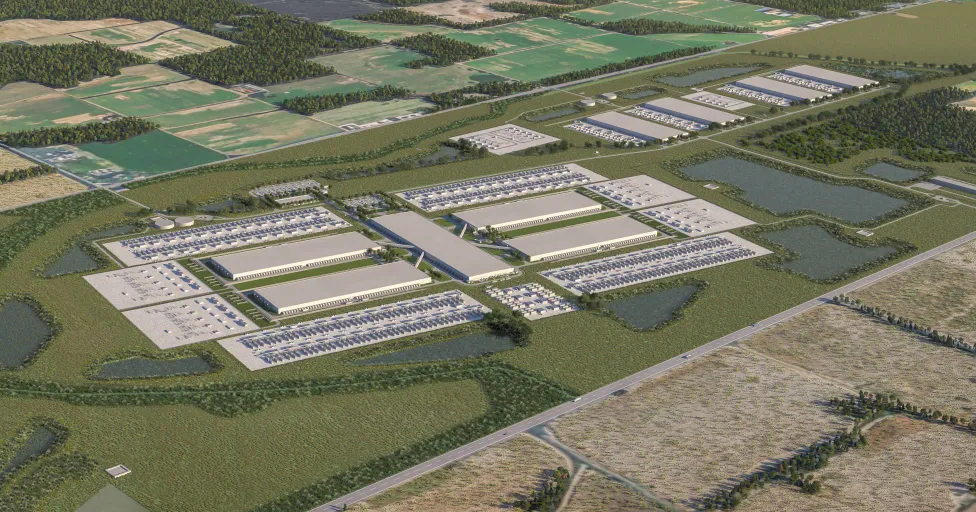
At the heart of Meta’s AI ambitions is the development of a colossal 2-gigawatt data center in Richland Parish, Louisiana. This facility will serve as a cornerstone for the company’s AI infrastructure, providing the necessary computing power to drive innovation and research. Additionally, Meta aims to deploy over 1.3 million GPUs by the end of the year, further bolstering its AI capabilities.

Challenges Faced by Meta
While Meta’s increased spending primarily focuses on AI advancement, a portion of the cost escalation is attributed to ongoing trade tensions and tariffs. The company’s CFO, Susan Li, highlighted that these trade dynamics have led to increased hardware costs and complications in supply chain management. Despite these challenges, Meta remains steadfast in its AI pursuits, viewing the current period as a pivotal moment for technological advancement.
CEO Mark Zuckerberg emphasizes that these substantial investments are crucial for Meta’s long-term strategy. By enhancing AI capabilities, the company aims to maintain its competitive edge in the rapidly evolving tech landscape. This bold financial commitment demonstrates Meta’s determination to shape the future of AI and solidify its position as a tech industry leader.
Trade Tariff Turbulence
Meta’s ambitious AI investments are facing unexpected headwinds due to trade tariffs, particularly those reinstated from the Trump administration. These policy shifts have introduced significant complexities into the company’s infrastructure planning and supply chain management.
The reimposition of tariffs has led to a notable increase in hardware costs for Meta. As the company aims to deploy over 1.3 million GPUs by year-end, these additional expenses are putting pressure on its capital expenditure forecasts. The tariffs affect not only the direct cost of components but also the entire supply chain, potentially leading to delays and logistical challenges.
Adapting to Global Trade Dynamics
Trade tensions have created uncertainties in global supply chains, forcing Meta to reevaluate its sourcing strategies. The company may need to diversify its supplier base or consider reshoring certain production processes to mitigate risks. These adjustments could lead to longer lead times and potentially impact the rollout of Meta’s AI infrastructure projects.

In response to these challenges, Meta is likely reassessing its infrastructure deployment timeline and budget allocations. The company must balance its aggressive AI ambitions with the realities of a complex global trade environment. This may involve exploring alternative technologies, negotiating with suppliers, or lobbying for policy changes to ensure the successful implementation of its AI strategy.
Despite these obstacles, Meta remains committed to its long-term vision, viewing the current investments as crucial for maintaining its competitive edge in the rapidly evolving tech landscape.