Google Expands Android XR with Gemini AI | Immersive Technology
At this year’s Google I/O developer conference, the tech giant unveiled many cutting-edge innovations, with a significant focus on its growing Gemini AI ecosystem. Central to these announcements was the evolution of Google’s Android XR programme, a multi-faceted initiative aimed at merging extended reality (XR) hardware with advanced AI capabilities.
Collaboration with XR Hardware Manufacturers
A highlight of the showcase was Google’s ongoing collaboration with XR hardware manufacturers through the Android XR initiative, a platform set to bridge the gap between artificial intelligence and immersive technologies. The company outlined its commitment to supporting a wide spectrum of devices, from fully immersive headsets to lightweight augmented reality (AR) glasses, to accommodate diverse user needs across different contexts—be it entertainment, productivity, or real-time information access.

Integrating XR and AI into Daily Lives
This approach was detailed by Google’s Android XR lead, Shahram Izadi, who described the strategy as a departure from a one-size-fits-all solution. According to Izadi, the aim is to integrate XR and AI into people’s daily lives through versatile devices that fit seamlessly into various activities.
Partnerships and Anticipated Devices
Google confirmed its collaboration with key industry partners, including Samsung and Qualcomm, to create a new wave of hardware powered by Gemini AI. Among the anticipated devices is Samsung’s upcoming Moohan headset, expected to be the first commercial product built specifically for Android XR. The headset is slated for release later this year, coinciding with the XR industry’s peak release season.
Development of AR Smart Glasses
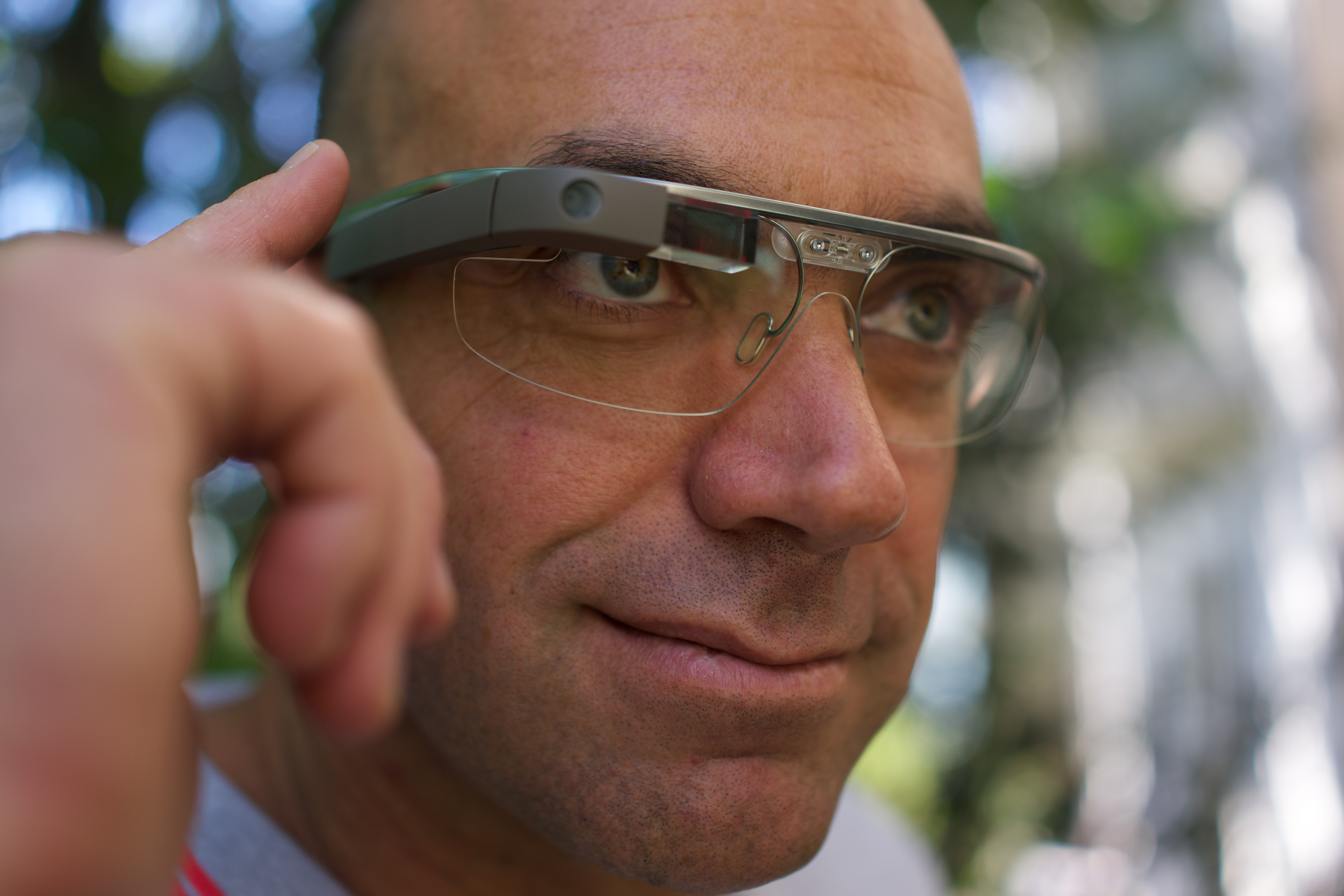
Further emphasizing the fusion of XR and AI, Google spotlighted its development of AR smart glasses as an extension of the Android XR platform. Positioned as an ideal form factor for on-the-go AI-driven interactions, these glasses are already in prototype testing with trusted users. Google plans to open development access for these glasses later in the year, allowing third-party developers to begin creating bespoke applications for the wearable devices.
Android XR Operating System and Gemini AI Integration
Originally introduced last year, the Android XR operating system aims to unify the XR experience under a familiar Android infrastructure. The integration of Gemini AI into Android XR aims to create intuitive, personalized user experiences across headsets and glasses, making XR adoption more practical and engaging for everyday users.

Strategic Partnerships and Investments
In a move that further demonstrates its investment in immersive technologies, Google has finalized a $250 million strategic partnership with HTC VIVE. This partnership will see selected HTC VIVE team members join Google to accelerate its internal XR projects, gaining access to HTC’s expertise and resources in the XR domain.
Future of Android XR and Immersive Technology
As extended reality continues to reshape digital interaction boundaries, Google’s Android XR programme, enhanced by Gemini AI, sets the stage for a future where immersive, context-aware computing becomes the norm.
You must be logged in to post a comment.