Impact of ChatGPT Usage on Emotional Health
A recent collaborative study by OpenAI and MIT Media Labs has shed light on a concerning aspect of frequent ChatGPT usage—its potential link to increased loneliness and emotional dependence. The study, titled "Investigating Affective Use and Emotional Well-being on ChatGPT," delves into how interactions with AI chatbots, especially in Advanced Voice Mode, can affect users' emotional health, behaviors, and social interactions.
Findings of the Study
The research, which involved around 1,000 participants in a randomized controlled trial spanning 28 days, revealed that individuals categorized as "power users" may be at risk of heightened feelings of loneliness and emotional reliance on AI interactions. The study indicated that higher daily usage, irrespective of the nature or structure of conversations, was associated with increased loneliness, dependency, and a decline in social engagement.

The design elements of chatbots, such as voice expressiveness, were identified as potential factors influencing user behavior and attachment levels. An MIT researcher involved in the study emphasized the need for further exploration into how chatbots could impact emotional well-being without fostering dependency or replacing human relationships.
Ethical Implications and Future Considerations
Separately, a study by researchers from the University of Zurich and the University Hospital of Psychiatry Zurich examined how AI models like ChatGPT respond to aggressive or violent prompts. The results suggested that AI systems could exhibit signs of "anxiety," potentially leading to unintended biases in their responses.
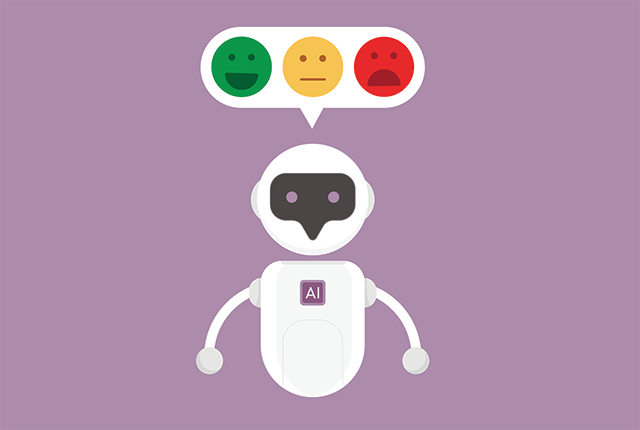
These studies underscore the ethical dimensions of AI's role in human emotional health and underscore the importance of responsible AI development that prioritizes user well-being while avoiding tendencies towards over-reliance. They call for a nuanced approach to AI design and implementation that safeguards users' emotional health and fosters healthy human-AI interactions.
For further reading on the ethical frontiers of AI chatbots, you can explore the original article here.