
Meta's Chief AI Scientist Predicts the End of Current AI in 5 Years
Yann LeCun, Meta’s Chief AI Scientist, made bold predictions about the future of artificial intelligence during the World Economic Forum in Davos. According to LeCun, the current AI landscape, including generative AI and large language models (LLMs), is on the verge of becoming obsolete within the next three to five years.
LeCun highlighted the limitations of existing AI models, stating that while they can perform basic tasks, they are far from perfect. He anticipates a revolutionary shift in AI that will address these shortcomings and usher in a new era of more advanced systems.
The Decade of Robotics
Looking ahead, LeCun envisions the next few years as the "decade of robotics," where the integration of AI with robots will unlock new possibilities in technology.

These advanced systems are expected to excel in handling complex tasks that current AI models struggle with.
Challenges Faced by Current AI Models
LeCun identified four key reasons why existing AI models are inadequate:
- Limitations in understanding context
- Lack of common sense
- Inability to learn through observation
- Difficulty in building accurate mental models of the world
The Future of AI
Meta's AI labs are actively working towards developing the next generation of AI systems that can overcome these limitations.
LeCun expressed optimism that within the next three to five years, Meta will unveil AI models capable of sophisticated reasoning and cognitive abilities that surpass current standards.
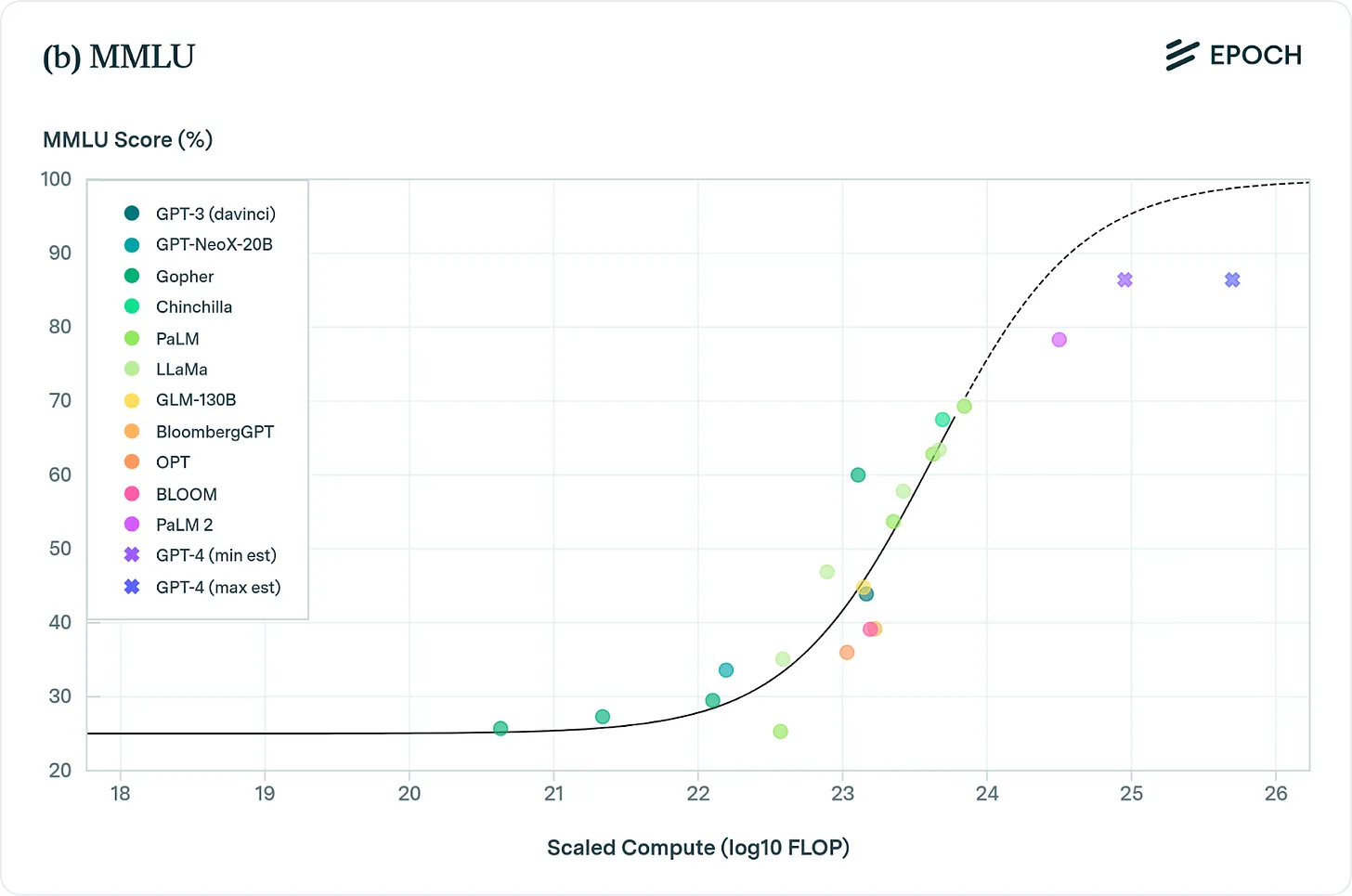
While the full-scale AI revolution may still be a few years away, LeCun believes that significant advancements could occur sooner than expected.
The convergence of AI and robotics is poised to reshape the technological landscape, paving the way for more robust and intelligent systems.
Transformation in AI
Yann LeCun's projections indicate a monumental transformation in the field of AI, signaling the imminent obsolescence of current models and the dawn of a new era defined by advanced AI and robotics.