
How to Leverage AI to Boost Employee Wellness | PPT
Employee wellness is a crucial aspect of any successful business. By leveraging artificial intelligence (AI), companies can take their employee wellness programs to the next level. AI technology can help analyze data, identify trends, and personalize wellness initiatives for employees.

The Benefits of AI in Employee Wellness
1. Personalized Wellness Plans: AI can analyze individual employee data to create personalized wellness plans. Whether it's recommending fitness activities, nutrition plans, or stress management techniques, AI can tailor recommendations to each employee's unique needs.
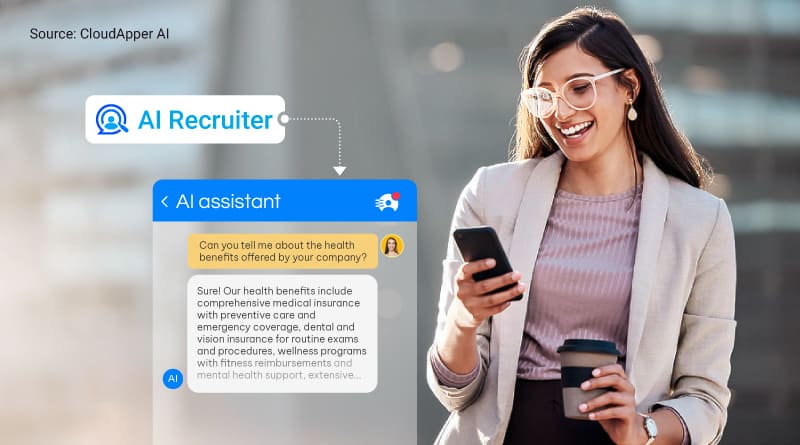
2. Real-time Monitoring: AI-powered wellness programs can provide real-time monitoring of employees' health and well-being. From tracking fitness goals to monitoring sleep patterns, AI can offer valuable insights into employees' overall wellness.
3. Predictive Analytics: AI can use predictive analytics to identify potential health risks among employees. By analyzing data patterns, AI can help employers take proactive measures to prevent health issues before they arise.
Implementing AI in Employee Wellness Programs
1. Data Integration: To effectively leverage AI for employee wellness, companies need to ensure seamless integration of data from various sources. This includes fitness trackers, health assessments, and other wellness initiatives.
2. AI-driven Platforms: Investing in AI-driven platforms tailored for employee wellness can streamline program management and enhance user experience. These platforms can offer personalized recommendations, goal tracking, and progress monitoring.
3. Employee Engagement: Communication is key when implementing AI-powered wellness programs. Companies should engage employees through interactive platforms, goal-setting incentives, and feedback mechanisms to ensure active participation.
Measuring Success and ROI
1. Metrics Tracking: Companies should track key metrics such as employee engagement, health improvements, and productivity levels to measure the success of AI-driven wellness programs.
2. Feedback Loops: Continuous feedback loops with employees can provide valuable insights into program effectiveness and areas for improvement. Employers should encourage open communication and feedback to optimize wellness initiatives.

3. Return on Investment (ROI): By analyzing the impact of AI on employee wellness, companies can calculate the ROI of their wellness programs. Improved employee satisfaction, reduced healthcare costs, and increased productivity are some factors that contribute to ROI.
Overall, leveraging AI in employee wellness programs can lead to happier, healthier, and more productive employees. By harnessing the power of AI technology, companies can create a culture of well-being and drive positive outcomes for both employees and the organization.








