Meta, Snapchat and more turn to AI chatbots. But what are they really?
From social media to search engines, AI chatbot integration has arrived. Recently users of Meta's suite of apps, including Facebook, Instagram, Messenger, and WhatsApp, have likely noticed the presence of an artificially intelligent chatbot designed to engage users in useful conversation. A self-proclaimed "friendly AI assistant with a passion for helping others," Meta AI is among dozens of chatbots that have surfaced since OpenAI's ChatGPT launched in late 2022 and disrupted the tech landscape. Others include Anthropic's Claude, Microsoft's Copilot and Bing AI, Amazon's Q, xAI's Grok, and Google's Gemini.
Revolutionizing interactions with technology
"Meta AI has the potential to revolutionize the way we interact with technology and access information," the chatbot claims. Due to the novelty of the technology, accuracy in responses may vary according to Meta. Meta AI invites users to ask it anything. Unless users mute it by diving into the settings, Meta AI has no trouble generating a response.
Core of modern AI chatbots

Modern AI chatbots are at their core interfaces to large language models, systems trained by massive datasets of text covering a wide range of topics that recognize word usage patterns and predict text based on context, said Vivek Singh, the director of the Behavioral Informatics Lab at Rutgers University. Chatbots excel in creating natural-sounding text and can easily refine existing text or create quiz questions based on excerpts. Some, such as Microsoft Copilot, aim for versatility and can offer up-to-date information on current events that link back to sources. Others are more nuanced.
Enhancing text-based tasks
They continuously refine their understanding of language to enhance their ability to accurately predict the proper response. The result is systems that can help with repetitive and boring text-based tasks, such as filling out forms. Since chatbots draw from a ton of data and are not constrained by reality, they are also good for brainstorming. However, they are not exactly ideal for producing external-facing documents.
Challenges and limitations
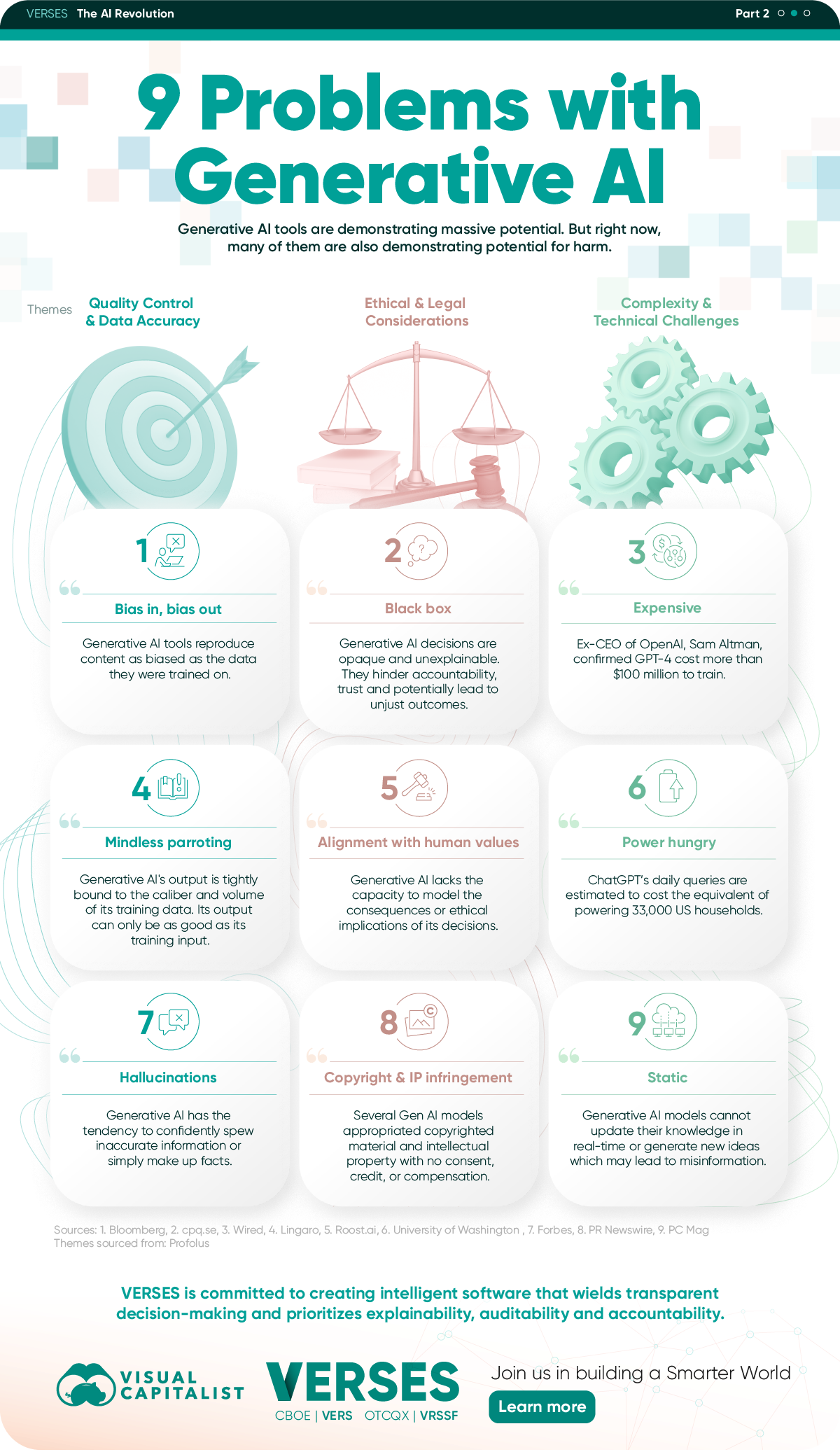
Modern AI chatbots struggle with numerical tasks, forward planning, and discerning factual accuracy, particularly in current events. They can consequently produce inaccurate or fabricated content, making up an answer rather than conceding a lack of knowledge. Chatbots come with several other key flaws, including displaying inequity across languages and misusing copyrighted content.
Concerns and skepticism in New Jersey
The flaws in chatbots have left many in New Jersey skeptical, with most residents expressing low levels of trust regarding the ethical and responsible use of AI. While Microsoft's offerings make use of OpenAI's GPT-4 large language model, many others use proprietary systems. Information is often scraped from sites without consent from content creators.
Protecting user privacy
Officials at the Mozilla Foundation warn against giving chatbots too much information. Users are urged not to give sensitive information or access to photos, videos, cameras, or microphones. They should refuse ad tracking, choose strong passwords, and request the deletion of all data once they stop using an app.
The future of AI chatbots
As AI chatbots continue to evolve and integrate into various platforms, it is essential for users to be cautious about the information they share and the trust they place in these systems. While chatbots offer convenience and assistance, they also come with inherent limitations and risks that users should be aware of.