ChatGPT shopping: Is it worth the hype?
We’re sorry, this feature is currently unavailable. We’re working to restore it. Please try again later. Add articles to your saved list and come back to them any time.
Imagine wanting to buy something online and simply asking your phone to do it. An AI chatbot shows you some options, you ask some clarifying questions, choose one, and then it’s taken care of. No web search, no applying filters or comparing models on a website, no signing up for accounts or putting in card information. That’s the future suggested by OpenAI’s new shopping features in ChatGPT.
We’re not there yet, of course; the new feature merely gives the existing ChatGPT the ability to show you products and link you to where you can buy them. But it’s enough to present a credible threat to the current paradigm of product research via Google, and it could transform how retailers do business online.
The Potential Transformation of Online Shopping
In the future, a quick conversation with your phone could let you buy anything. There are already platforms, including Shopify, that online stores use to process sales. If one were to integrate with ChatGPT, or if OpenAI were to develop a system itself, customers could find products and make purchases across any category from the one chat.
If folks are to transition away from standard search engines to AI chat, we’re in the very early stages. Google still gets 26 times more visits than ChatGPT overall, and it dominates the online shopping research and advertising spaces. But ChatGPT traffic is almost doubling each year, and chatbots in general (including Google’s Gemini) are expanding in a way that could let them perform any internet function based on your intent, context, and a brief conversation.
The Role of AI in Retail
Tim O’Neill, co-founder of AI consultancy Time Under Tension, said the current dynamic of customers visiting retailers’ websites wasn’t going anywhere in the near term. But he said AI was already augmenting the process.
“Currently shoppers looking for a particular product will browse on a retailer’s site through traditional navigation, and via site search. These work very well if you know what you’re looking for. Where conversational commerce can play a fantastic role is a step before this, at the research stage,” he said.
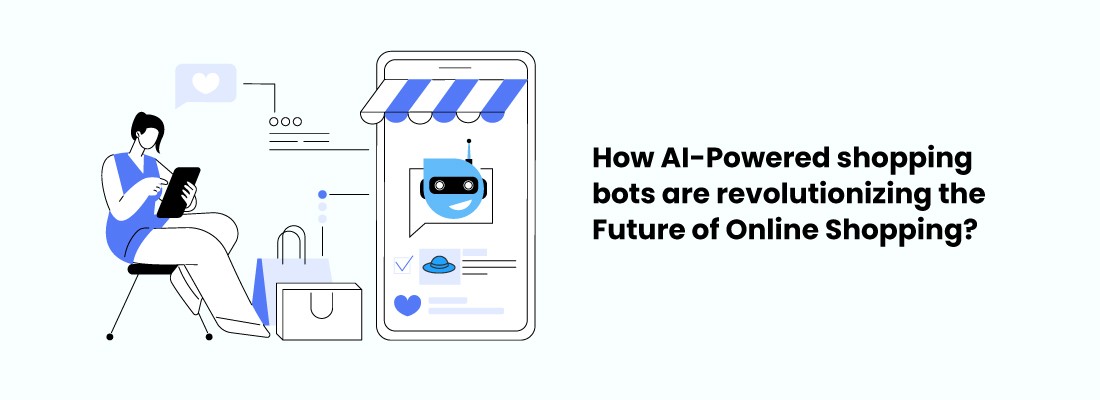
Chatbots can be more context-aware than traditional search, and they can also adapt their recommendations. At this stage, since ChatGPT and others rely on navigating the web and sending users links, the existing infrastructure (including Google) is still a vital part. But O’Neill said the chatbots would evolve to outgrow it.
The Future of Chatbot Shopping
“Future iterations, and Perplexity Shopping already does this in the US, will have the chatbot also include the cart and purchase steps,” he said, leaving merchants to worry about fulfillment only. OpenAI has hinted that it will also go in this direction.
“This raises huge implications for retailers. Currently, it’s a ‘black box’ how to rank your products in chatbots. There is no best practice, and some merchants will win while others lose.”
So what are retailers to do? O’Neill said they should understand what’s happening in the chatbot space, but that advice is generally the same as it has been for Google; maintain a well-structured web presence, search engine optimization, and advertising. “All of those things will potentially increase your chances of being recommended by a chatbot,” he added.

The Comparison with Google and Future Monetization
A cynic might compare this brave new world of chatbot shopping to the early days of Google-powered e-commerce, where the search engine generally surfaced results according to relevance and quality, before gradually becoming bogged down by advertisements and pay-for-play content.
OpenAI’s Sam Altman has said ChatGPT Shopping will be monetized at some point, although he has traditionally opposed the bot serving straight-up ads. O’Neill said sponsored content appearing on the services was inevitable.
“If [OpenAI] does ads, I think it might be a reinvention of how we think of ads on sites like Google. Other chatbots might take a different approach. For example, Perplexity Shopping offers advertising placement,” he said. “So far, Google has been quiet about Gemini Shopping, but I would be surprised if we don’t see this in 2025.”
Get news and reviews on technology, gadgets, and gaming in our Technology newsletter every Friday. Sign up here.
Copyright © 2025