Two years of ChatGPT – Has generative AI transformed HR ...
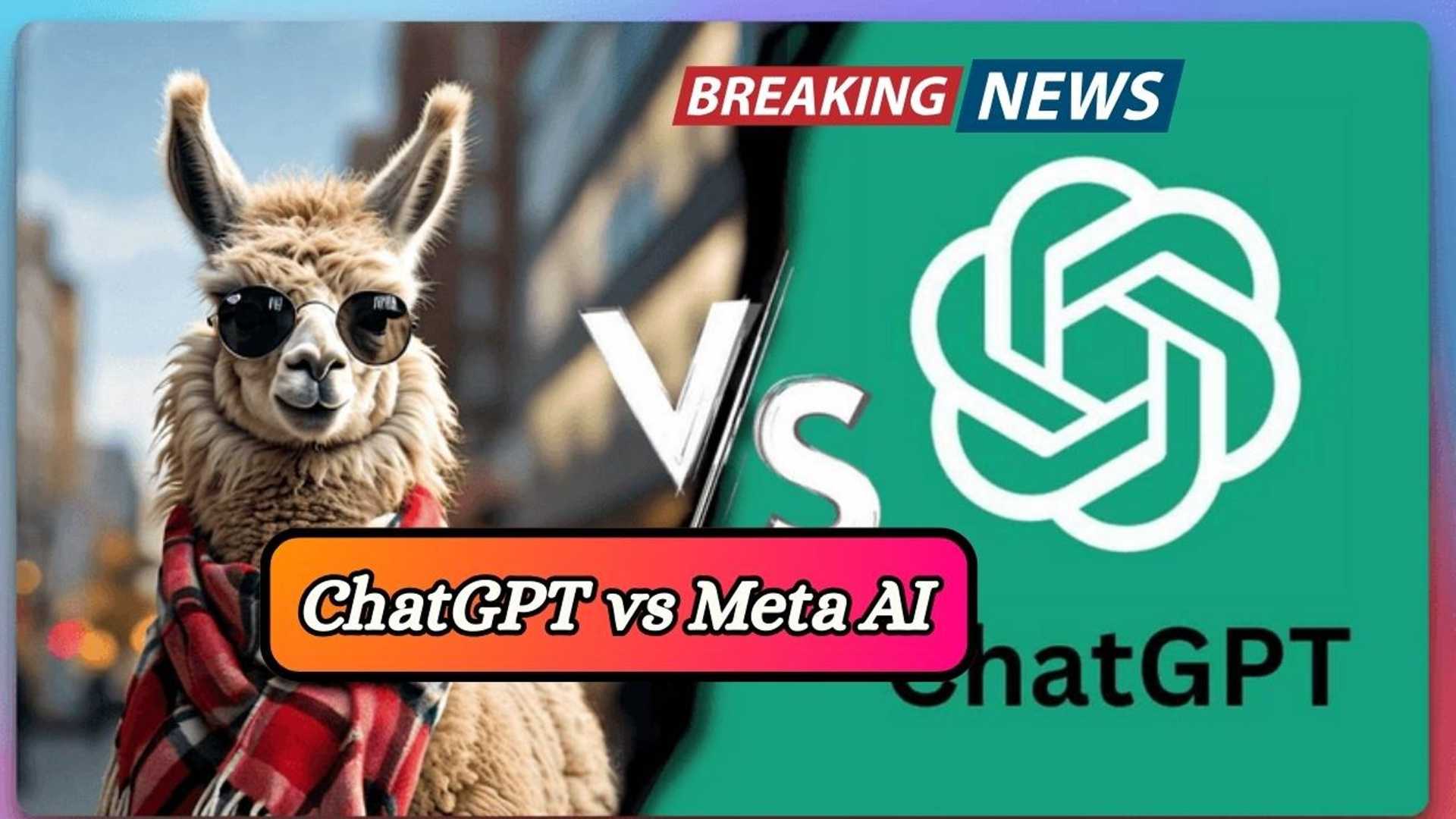
OpenAI’s ChatGPT was launched on 30 November 2022 – two years on, UNLEASH speaks to experts about its impact on the HR function to date, and what the future might hold. ChatGPT just turned two. This generative AI LLM has disrupted how businesses across the world think about AI, but is it for the better or for worse? UNLEASH explores the history of ChatGPT, generative AI and HR over the past two years, and asks experts for their predictions for the next two years. Two years ago, OpenAI’s ChatGPT burst onto the scene.
The Impact of ChatGPT
The brainchild of Sam Altman and his superstar tech team, this advanced generative AI chatbot (and its human-like answers) became a hot topic in everyone’s personal and professional lives as 2022 came to an end. The tool gained one million users in its first week – and two years later, it has now reached 200 million active users a week. As a result of ChatGPT’s disruption and hype, AI continues to dominate media and business discourse.
There has been much discussion about whether large language models (LLMS) and foundational AI like ChatGPT are coming for our jobs – there have even been warnings that they could cause the end of the world as we know it.
Experts' Perspectives
Here at UNLEASH, we have been helping HR leaders try to understand the impact of generative AI on the world of HR since ChatGPT’s emergence on 30 November 2022. To do this, UNLEASH spoke to HR experts from across the globe about their perspectives on the history and future of AI and HR.
The New Workforce’s CEO and Founder Kraig Kleeman put it best – he tells UNLEASH that ChatGPT and these advanced AI models haven’t just changed things “it’s transformed the entire conversation, especially when it comes to HR.”

Frankly, generative AI and LLMs have been a total gamechanger for the HR function. Breathe HR’s Head of People Charlie O’Brien describes it as “the team member we never knew we needed”.
ChatGPT’s emergence “opened up the conversation about AI to HR leaders at every level of their career and at every size of organization”, shares Ben Eubanks, Chief Research Officer, Lighthouse Research & Advisory.
Efficiency and Strategic Planning
“We’ve moved from basic chatbots to something far more sophisticated – orchestrated AI systems working in tandem,” adds Wilson EVP of Product, Michael Beygelman.
“These AI agents are playing a role in everything from workforce planning to talent acquisition, and they’re doing it with a level of complexity that was unimaginable just a few years ago.”
What started off as a conversation around “fear, uncertainty and doubt” around job displacement – in Wilson’s Beygelman’s view – has turned into a view that if you don’t use AI, you will fall behind.
“ChatGPT, and other generative AI tools, have automated HR tasks, improving efficiency, and enabling data-driven decisions,” adds Workhuman’s Senior Director, Global Talent Acquisition and Employer Branding, David Burke.
“It has created the space for HR professionals to focus on more strategic planning, by reducing repetitive, low-value tasks.”