Introduction to ChatGPT's Ghibli Image Generation Feature
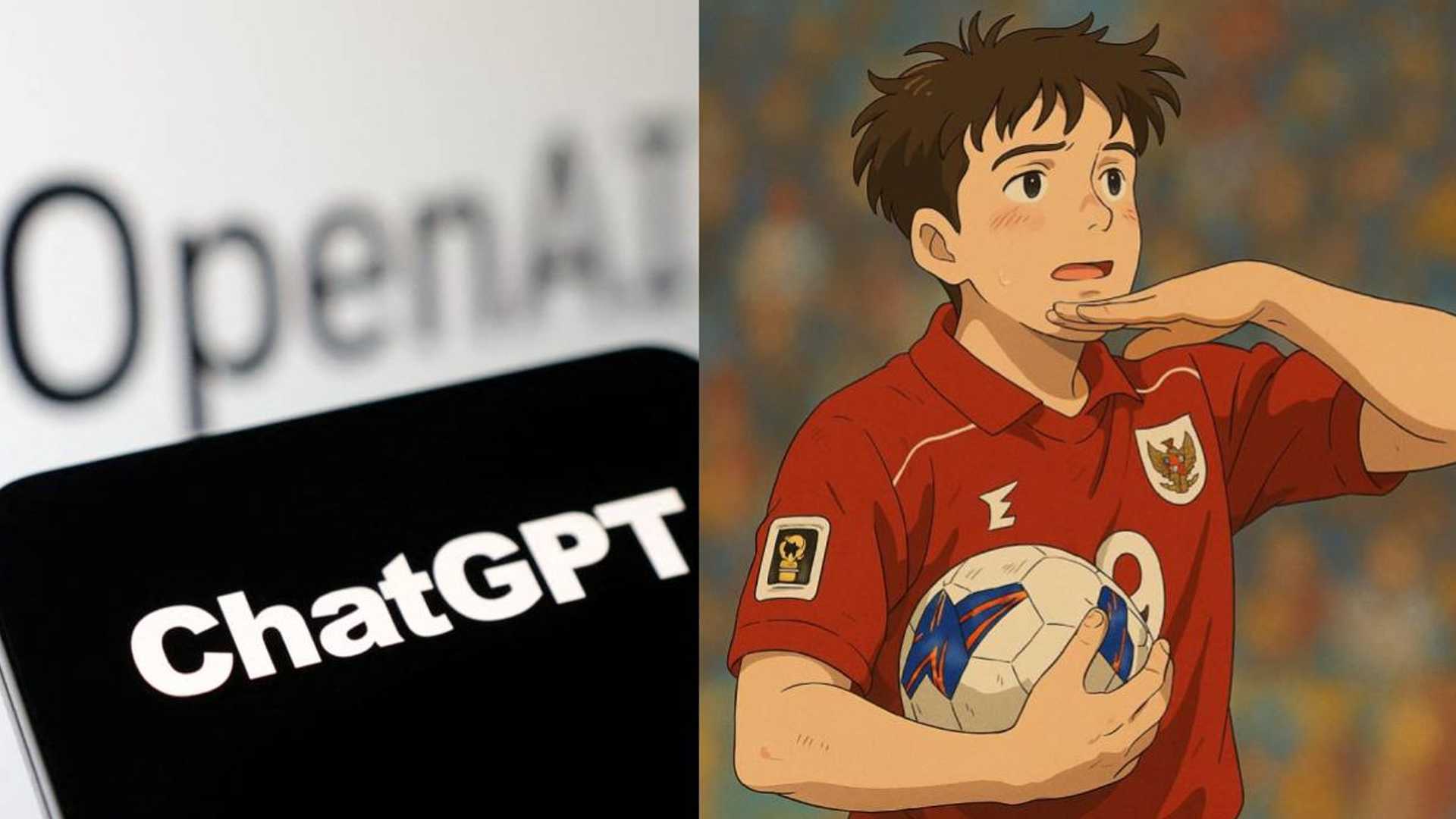
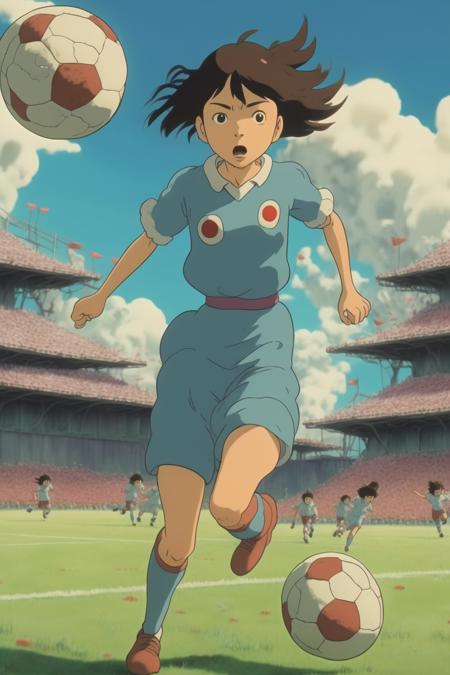
A new trend has emerged on social media with the rise of Studio Ghibli-style images, made possible by the integration of OpenAI's GPT-4o technology with ChatGPT. This collaboration has been hailed as remarkable and unique by OpenAI's CEO, Sam Altman.
Accessibility for Free Users
A new feature has made the Ghibli-style image generation accessible to all free users, thanks to OpenAI's recent decision. Altman announced that as of March 29, the tool is now available to everyone at no cost.
Restrictions and Usage Limits
Due to the immense popularity of the Ghibli-style image generation trend, OpenAI has imposed restrictions on image creation. Free users are now restricted to generating a maximum of three images per day. In contrast, paid subscribers, such as ChatGPT Plus, Pro, Team, and Select members, have unlimited access to this feature.
Impact and Growth
The introduction of image generation for free users has significantly increased OpenAI's appeal. Altman shared that the platform gained one million new users in just one hour and an additional million users within five days of the feature's launch, showcasing its growing popularity.
Security Concerns and Privacy Risks
Despite its popularity, concerns have been raised by experts on social media regarding potential security risks associated with this trend. There are worries that the widespread use of the Ghibli-style image generation feature may result in ChatGPT accessing a large volume of personal images, which could potentially be utilized to enhance AI models. This inadvertent sharing of personal photos and unique facial data raises significant privacy risks in the long term.
Critics also highlight issues surrounding AI copyright, expressing concerns that OpenAI's data collection practices may overlook critical legal considerations. This situation could potentially allow the company to utilize submitted photos without facing any legal consequences.
ALSO READ: ChatGPT's Ghibli feature sparks privacy worries, raising concerns over potential misuse of images