The Perfect Process of Booting a PC - Open Source For You
Just like an aspiring young baker meticulously follows a recipe to create a masterpiece cake, the process of booting a PC involves a series of intricate steps that may seem magical to the average user. Let's delve into the behind-the-scenes magic of booting a PC with the same precision and passion as baking a delicious cake.
Pressing the Power Button: Initiating the Magic
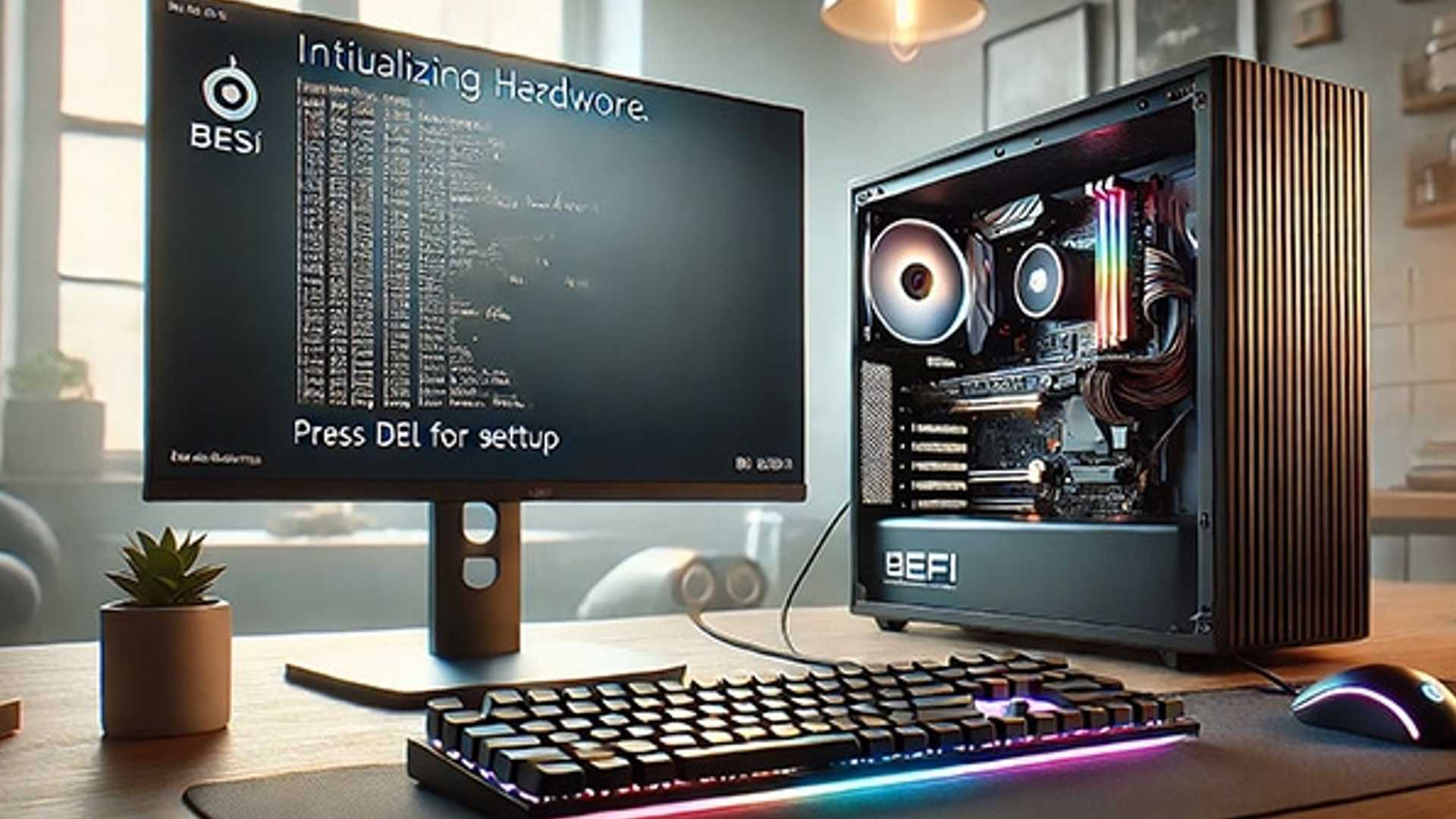
When the power button is pressed, it sends an electrical signal to the CPU, starting the boot process. The CPU then communicates with the ROM, where the BIOS or UEFI firmware resides, initiating the boot sequence. This firmware plays a crucial role in kickstarting the PC.
Power-On Self-Test (POST): Ensuring Everything is Ready
Similar to checking the cake's ingredients before baking, the system performs a Power-On Self-Test (POST) to diagnose hardware components like RAM, keyboard, and storage devices. If everything checks out, the boot process continues; otherwise, beep codes help identify potential issues.
BIOS Settings: Customising the Boot Process
System administrators, like Emma, can navigate the BIOS settings to modify the boot device priority, allowing for seamless switching between operating systems. This step is akin to setting the temperature and timer before baking the cake.
Loading the Bootloader: Preparing for the OS
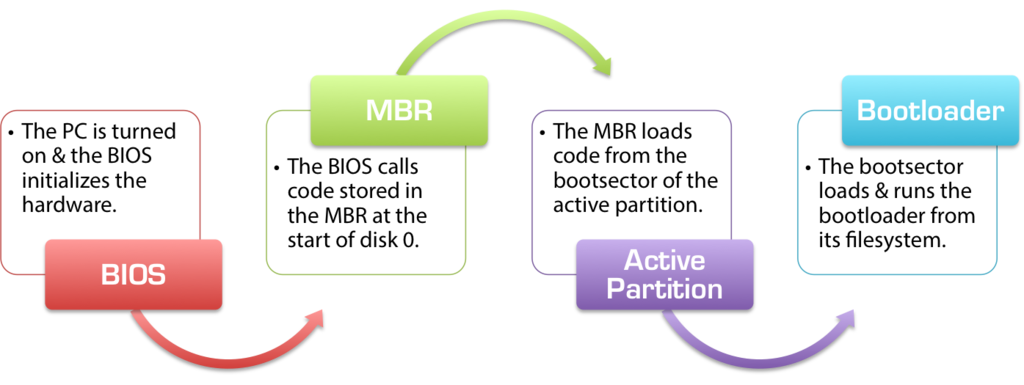
Once the POST sequence is completed, the BIOS/UEFI firmware loads the Master Boot Record (MBR) into the RAM. The MBR contains the bootloader code, essential for locating the kernel and initializing the operating system, setting the stage for the OS to take control.
Activating the Kernel: Managing Hardware Resources

Just as the cake rises in the oven, the bootloader activates the kernel, which acts as an interface between the OS applications and hardware interfaces like CPU, memory, and devices. The kernel manages critical processes like memory management, task scheduling, and I/O, setting the foundation for the OS to run smoothly.
Running the System: Decorating with Applications
Once the kernel loads the operating system disk image and drivers, applications can run seamlessly, enhancing the user experience. This final step is analogous to adding sprinkles to a perfectly baked cake, making it ready to be enjoyed by all.
While users may not fully comprehend the complexity of the booting process, system administrators like Emma take pride in ensuring that everything runs smoothly behind the scenes, whether it's baking a cake or managing a computer system. Both processes require precision, patience, and a touch of magic to deliver outstanding results.