Empathy in GenAI Chatbots: The Power of 'Please' and 'Sorry'
Have you ever found yourself saying "please" to a chatbot like AIEver? The way we interact with chatbots and the empathy they demonstrate raise interesting questions about the boundaries between artificial intelligence and human emotions.
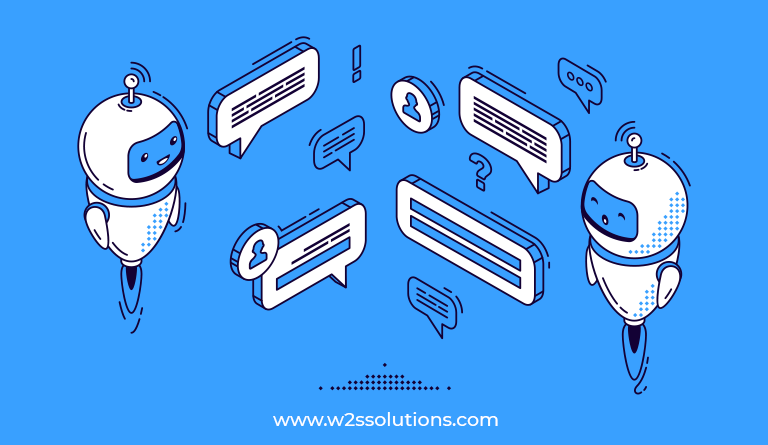
Recently, I engaged with my favorite chatbot, AIEver, to assess its emotional intelligence. I typed a query: "Why did you suggest that article? It was no help whatsoever." The bot's response was surprisingly prompt and empathetic: "I am sorry to cause you any frustration. I will strive to give you better recommendations next time based on your preferences. Thank you for your feedback, it’s valuable." This encounter highlighted the almost-human nature of AI.
The Simulated Understanding of AI
While AI lacks the ability to experience true emotions, it can simulate understanding. This simulated understanding often fosters a sense of connection between humans and technology. When a chatbot offers an apology, it goes beyond acknowledging a mistake; it builds trust. This trust is essential for customers, making them feel heard and valued, even in interactions with a chatbot.
For businesses, incorporating human elements like empathy into AI interactions is not just a nicety but a strategic advantage. Research indicates that:
- Customer Retention: Personalized and empathetic interactions through chatbots improve customer satisfaction and retention rates.
- Higher Conversion Rates: Companies using proactive customer engagement via chatbots see a 35% increase in conversion rates.
- Brand Loyalty: AI-powered chatbots enhance brand loyalty and conversions by providing quick, personalized, and real-time support.

The Impact Beyond Customer Service
The integration of empathy, politeness, and emotional intelligence in AI extends beyond customer service and e-commerce. In fields such as healthcare, therapy, and education, where human connection is paramount, AI-driven chatbots are making a significant impact. Examples include:
- Woebot: A health chatbot offering empathetic discussions and cognitive-behavioral therapy techniques for psychological well-being.
- Ada: An AI-powered healthcare app providing customized symptom assessments and advice to help users understand their health conditions.
- Duolingo Max: Incorporating conversational AI into its language-learning platform to enhance speaking and listening skills in language acquisition.
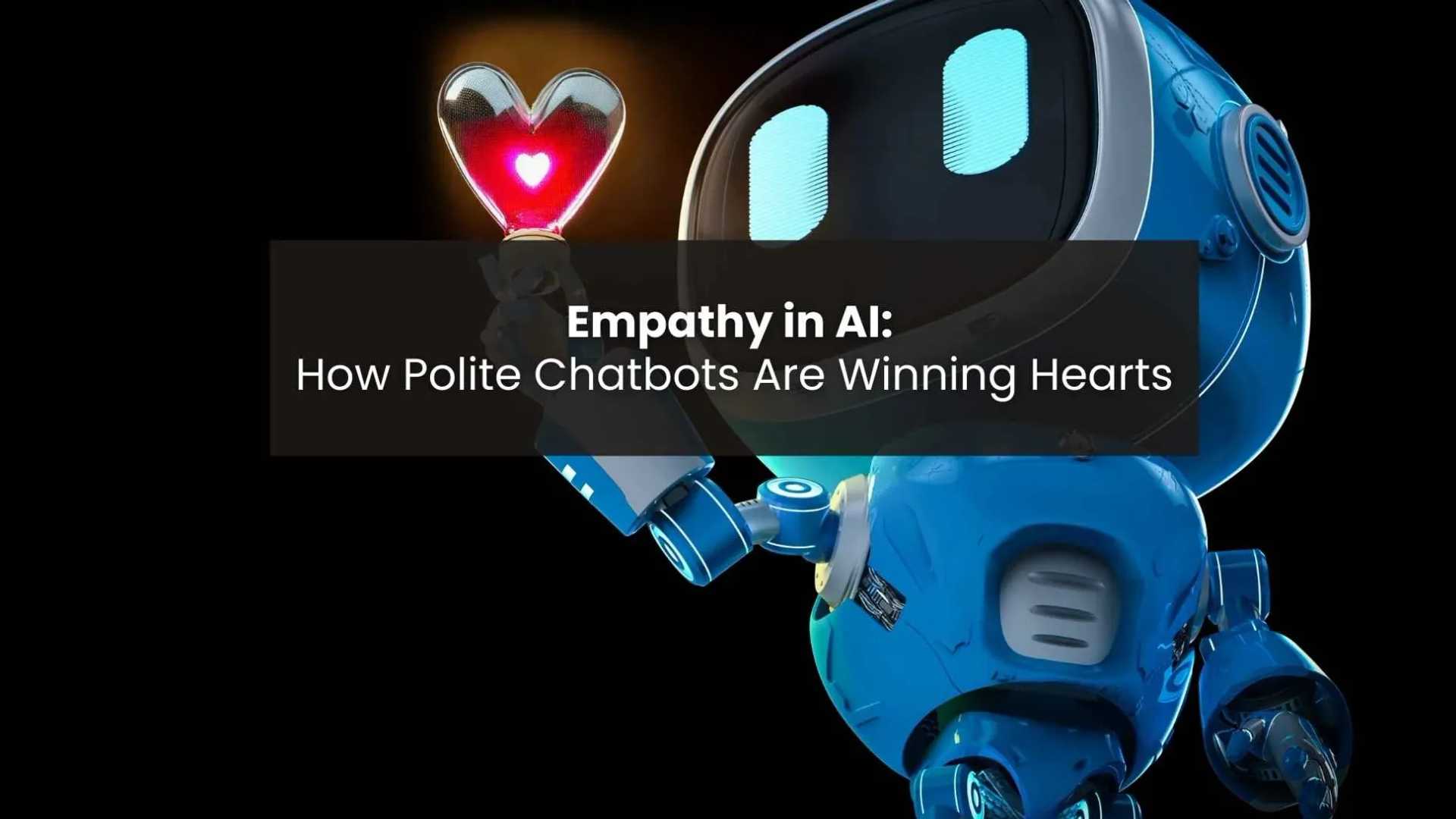
Training AI to exhibit empathy is a significant challenge, as chatbots are programmed to simulate understanding rather than experience emotions. Despite this limitation, the inclusion of empathetic elements in AI interactions marks a new era where chatbots evolve from mere tools to companions.

Chatbot companions offer more than just solutions; they provide emotional support, companionship, and a sense of connection. The rising popularity of chatbot companions underscores the shift towards AI becoming relatable allies, bridging emotional gaps, and offering solace in conversations.
To delve deeper into the realm of emotional AI and chatbot companionship, explore the 9 Best AI Girlfriend Apps & Websites in 2025, which reveals how AI is becoming an integral part of our lives, offering not just assistance but meaningful companionship.