Kids who use ChatGPT as a study assistant do worse on tests | News
A locally owned newspaper dedicated to the service of God and mankind, reports on a study comparing the math progress of nearly 1,000 high school students to evaluate the impact of ChatGPT on learning.

ChatGPT Study Results
The study conducted by researchers at the University of Pennsylvania revealed that Turkish high school students who utilized ChatGPT while practicing math problems performed worse on a math test in comparison to students who did not have access to ChatGPT. While students using ChatGPT solved 48% more practice problems correctly, they scored 17% lower on the actual test.
Another group of students had access to a modified version of ChatGPT that acted as a tutor, offering hints without directly providing the solutions. These students excelled in solving practice problems, achieving 127% more correct answers compared to those who practiced without any technological assistance.
Impact of ChatGPT on Learning
The paper titled "Generative AI Can Harm Learning" highlighted how current AI chatbots, even when fine-tuned to mimic tutors, can hinder the learning process. The study revealed that students often relied on ChatGPT as a crutch, seeking answers directly instead of developing problem-solving skills themselves.
Furthermore, ChatGPT's errors, such as incorrect arithmetic computations and flawed problem-solving approaches, were identified as contributing factors to decreased learning outcomes. Despite a tutoring version of ChatGPT being fed with correct solutions to minimize errors, the overall impact on learning was still negative.
Experiment Details
The experiment, outlined in a draft paper, involved nearly a thousand students in grades nine through 11. Students were divided into groups to practice math either with ChatGPT, an AI tutor powered by ChatGPT, or without any high-tech aids. Following practice sessions, students were tested on their comprehension of the concept, leading to the conclusion that AI assistance may not always be beneficial in learning.
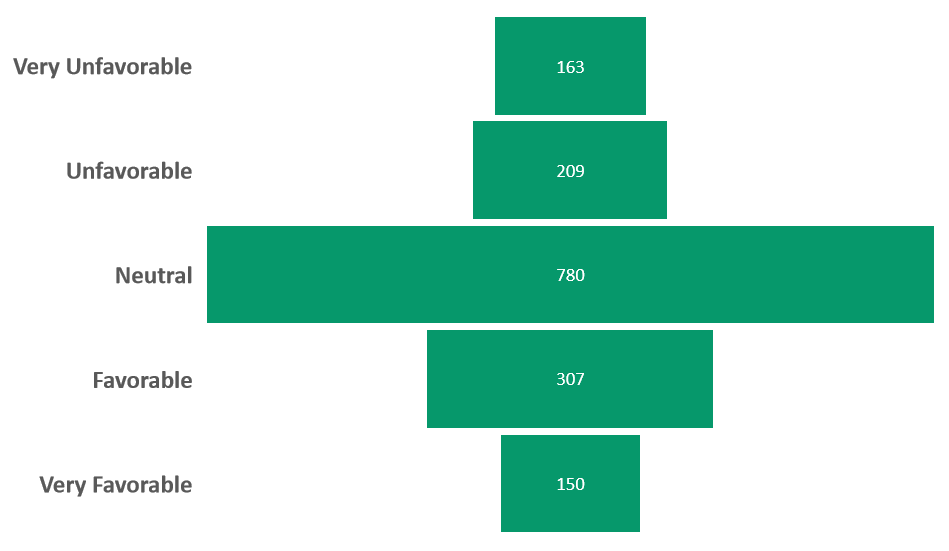
Surveys conducted alongside the experiment also revealed that students perceived their learning with ChatGPT more positively than the actual results indicated, showcasing an overconfidence effect. The authors likened the issue to an autopilot scenario, where reliance on technology could impede core skills.
Conclusion
Ultimately, the study serves as a cautionary tale, highlighting the importance of balance in utilizing technology as a learning tool. While AI like ChatGPT may improve immediate problem-solving, it could potentially hinder long-term learning and skill development.