AI Studio Ghibli images aren't as cool as you think - The Baylor Lariat
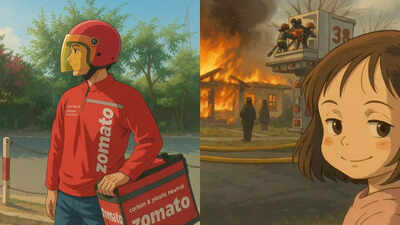
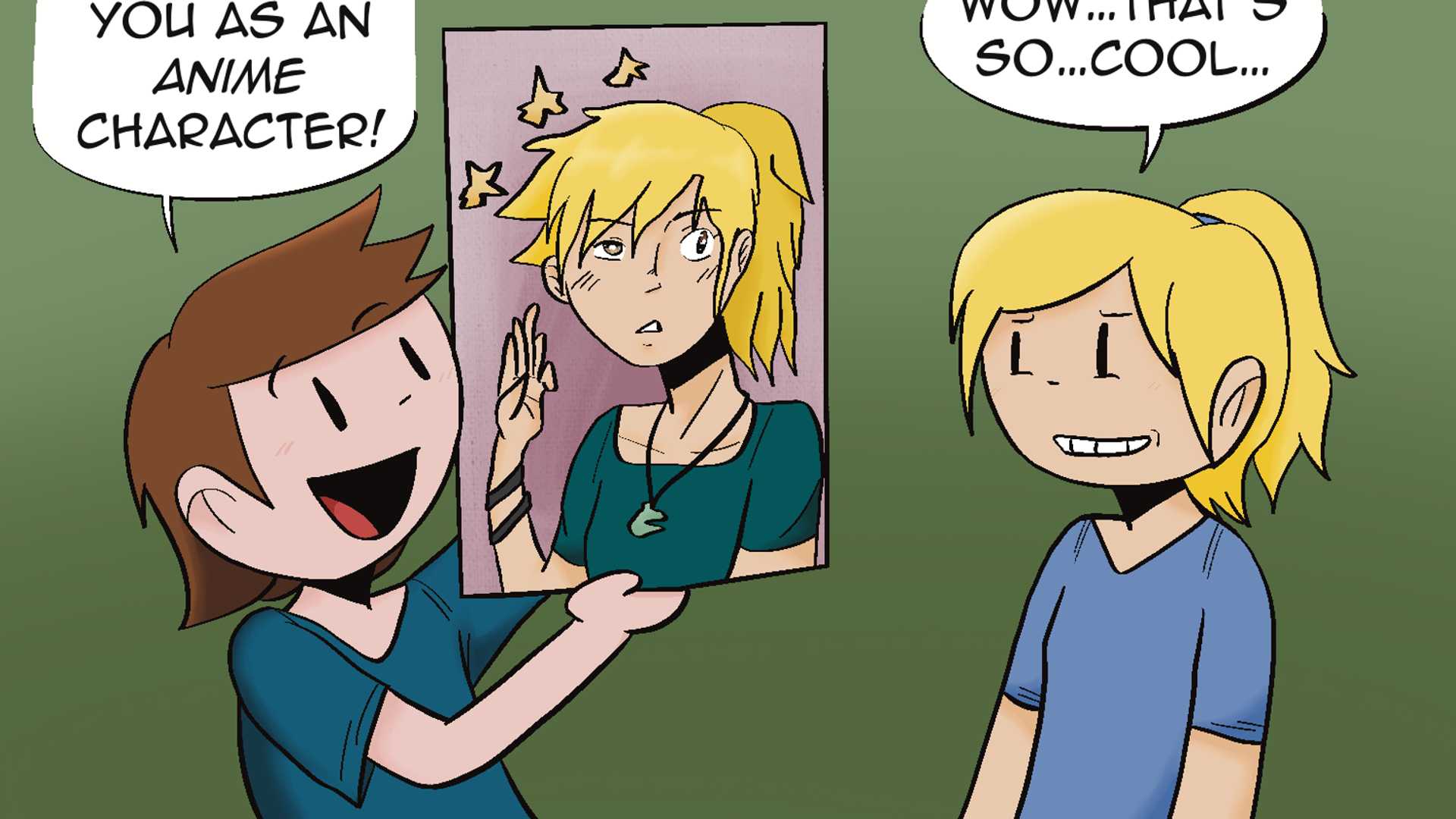
Recently, OpenAI released a feature that allows users to generate images from text prompts. One of the most popular trends has been creating images in the style of Studio Ghibli, the Japanese animation studio known for its spectacular hand-drawn animation. These AI images replicate this style of art, starting a phenomenon that is not only harmful to the environment for its massive energy usage but also undermines the creativity that made Studio Ghibli special in the first place.
ChatGPT-4o Model and Studio Ghibli
On March 31, the ChatGPT-4o model became available to all users for free, bringing Studio Ghibli into the hands of billions worldwide. One of the reasons this tool became popular is that it was a lot more accurate and responsive to user prompts compared to other AI tools. This allowed users to generate images of adult figures and was less likely to reject user prompts for being offensive, creating more open-ended and sometimes offensive creations.

Even the White House joined in the trend as they posted a photo, showing an ICE agent arresting Virginia Basora-Gonzalez, an illegal migrant and fentanyl dealer, through the Studio Ghibli feature.
Pros and Cons of AI Image Generation
Pros: Art can be more widely accessible and applicable in a variety of contexts. The Studio Ghibli trend is popular because people love to see how their lives intertwine with the beautiful, crafted style of Hayao Miyazaki, the creator behind Studio Ghibli. For creatives, AI can lead to more ideas, as you don’t need to rely solely on your imagination but on visible images prompted by text.
Cons: Much of the art that OpenAI is trained on is copyrighted material. Many of the famous hand-drawn works by Studio Ghibli, such as “Spirited Away” and “Howl’s Moving Castle,” are used as training for large language models to replicate, even though they do not own the rights to the works. It is not a good precedent to appropriate work from other creators, even if you think more art will be created through AI. Intellectual property is protected in every aspect.