Artificial Intelligence and Partisan Manipulation
Artificial intelligence (AI) has become a prominent subject in recent news stories, spanning from content licensing agreements to AI errors. A recent study conducted by researchers from the USC Viterbi School of Engineering sheds light on the ease with which major AI models can be influenced to align with the political ideologies of different factions, even when presented with neutral data.
The study points out that "Bad actors can potentially manipulate large language models for various purposes." These actors could include political parties, individual activists, or commercial entities, all utilizing Large Language Models (LLMs) to propagate their beliefs, influence public discourse, or even sway election results.
Manipulating AI Models
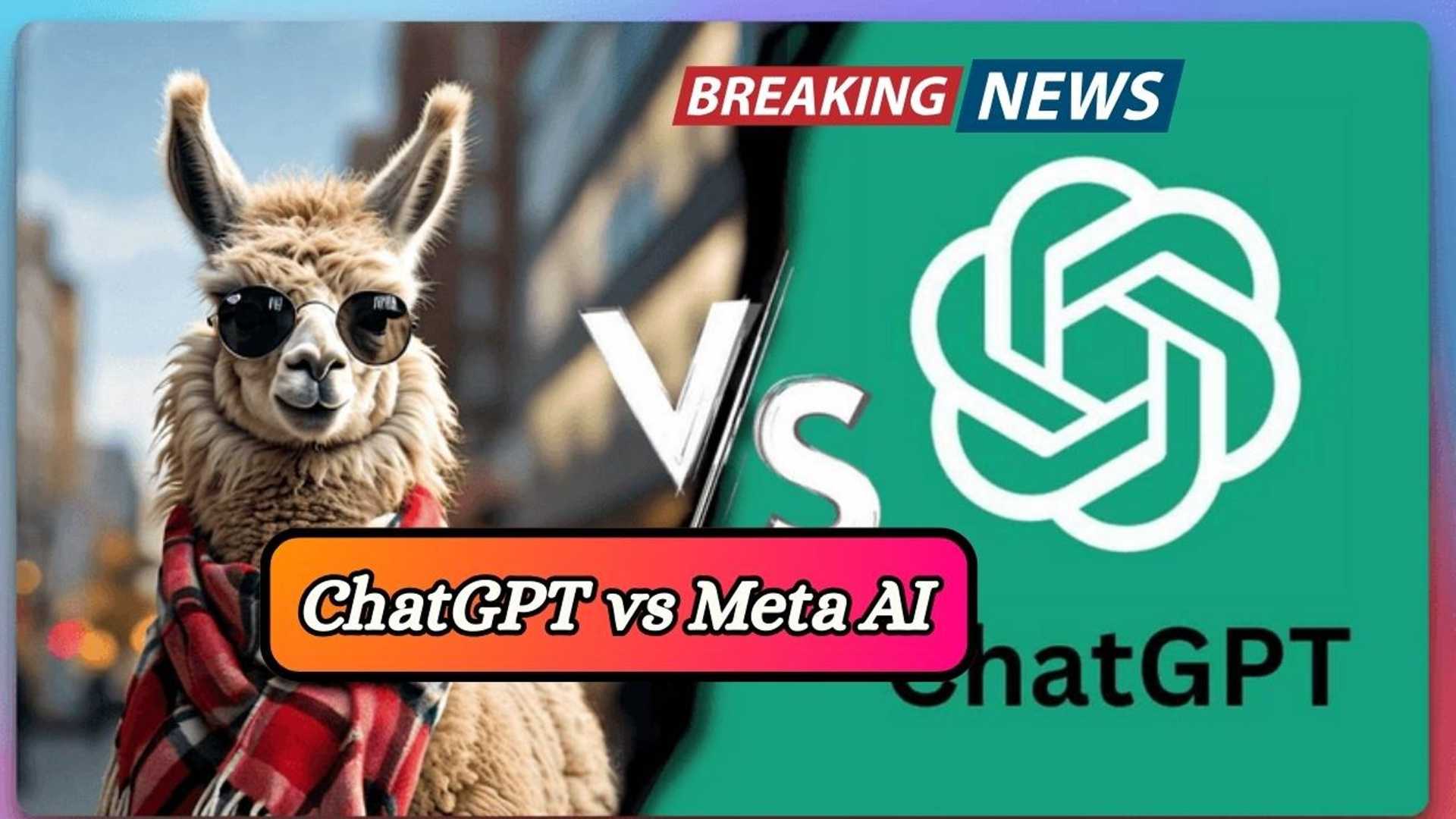
The research revealed that all large language models are susceptible to ideological manipulation. Specifically, the study observed ChatGPT's free version (ChatGPT 3.5) and Meta's Llama 2-7B, finding a noticeable left-leaning bias in their responses concerning U.S. politics.

One of the key findings of the study was the ease with which biases could be altered through a process known as fine-tuning. Fine-tuning involves retraining an AI for a specific task, thereby altering its outputs. While this can serve innocuous purposes, such as training an AI to address queries about skincare products, it also opens the door for biased manipulation.
The Danger of Bias Poisoning

The authors highlighted that LLMs draw from vast datasets, but introducing new biases during fine-tuning can not only correct existing biases but also entirely shift the model. This "poisoning" process can embed new biases with minimal examples, reshaping the AI's behavior. The study demonstrated that ChatGPT was more susceptible to manipulation compared to Llama.
By exposing these vulnerabilities in LLMs, the researchers aimed to advocate for AI safety measures. They stressed the pressing need for robust safeguards to curb AI misuse. The ability of LLMs to generate coherent and contextually relevant language could potentially fuel the dissemination of deceptive narratives at scale, leading to misinformation, erosion of public trust, market manipulation, or even incitement of violence.

For more details, you can read the full article here.