Can the climate survive the insatiable energy demands of the AI industry?
New computing infrastructure means big tech is likely to miss emissions targets but they can’t afford to get left behind in a winner takes all market. The artificial intelligence boom has driven big tech share prices to fresh highs, but at the cost of the sector’s climate aspirations.
Google admitted on Tuesday that the technology is threatening its environmental targets after revealing that datacentres, a key piece of AI infrastructure, had helped increase its greenhouse gas emissions by 48% since 2019. It said “significant uncertainty” around reaching its target of net zero emissions by 2030 – reducing the overall amount of CO2 emissions it is responsible for to zero – included “the uncertainty around the future environmental impact of AI, which is complex and difficult to predict”. It follows Microsoft, the biggest financial backer of ChatGPT developer OpenAI, admitting that its 2030 net zero “moonshot” might not succeed owing to its AI strategy.
The Impact of Datacentres on the Environment
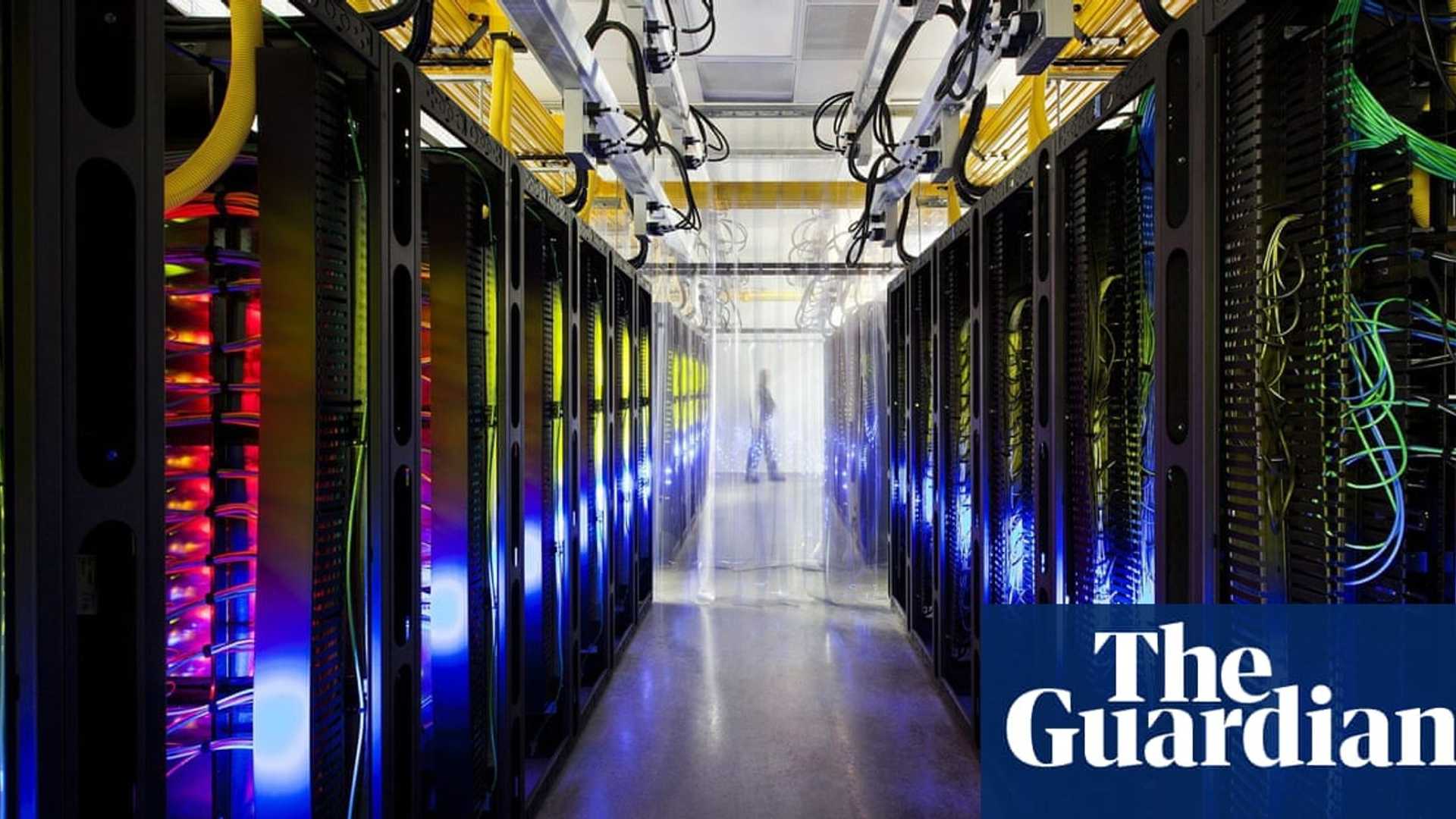
Datacentres are a core component of training and operating AI models such as Google’s Gemini or OpenAI’s GPT-4. They require large amounts of electricity to run, which generates CO2 depending on the energy source, as well as creating “embedded” CO2 from the cost of manufacturing and transporting the necessary equipment.

According to the International Energy Agency, total electricity consumption from datacentres could double from 2022 levels to 1,000 TWh (terawatt hours) in 2026, equivalent to the energy demand of Japan. Research firm SemiAnalysis calculates that AI will result in datacentres using 4.5% of global energy generation by 2030.
The Role of Renewable Energy in Mitigating Environmental Impact
A recent UK government-backed report on AI safety highlighted the importance of tech firms using renewable energy sources to minimize the environmental cost of the technology. However, a significant portion of AI model training still relies on fossil fuel-powered energy.

Tech firms are increasingly investing in renewable energy projects to meet their environmental goals. Amazon, for instance, is the world’s largest corporate purchaser of renewable energy. However, experts argue that this may lead to an imbalance in energy sources, pushing other users towards fossil fuels.
The Challenges Ahead for Renewable Energy
Global governments aim to triple the world’s renewable energy resources by the end of the decade to reduce consumption of fossil fuels. However, the fast-growing energy demand from AI datacentres poses a challenge to achieving this goal.
Coping with the Growing Energy Demand
Major tech companies have already turned to low-carbon electricity sources, including nuclear power plants, to power their datacentres. However, without investing in new power sources, these deals could lead to more fossil fuel consumption to meet overall energy demand.

As the AI industry continues to expand, the race for developing advanced AI systems intensifies. The competition for “frontier” AI models is fierce, with companies vying for supremacy in the market. Despite breakthroughs in AI technology that enable more efficient computing, the energy demand of AI continues to rise.
Renewable energy projects face challenges in keeping pace with the energy demands of AI expansion. The unique nature of the industry may lead tech giants to continue investing in energy-intensive AI development, potentially straining global energy resources.