
The problem is not with coaching centres or ChatGPT | The Daily Star
Many countries, including the US, have commercial education technology firms that cater to students' learning needs. Chegg, a leading firm in the US, reported a significant revenue of $200 million in the fourth quarter of 2022. However, the company faced a setback when it lost $1 billion in share value on the New York Stock Exchange due to the emergence of AI-generated language tools like ChatGPT.
While Chegg and similar companies are revolutionizing the education sector, the traditional approach to student learning in Bangladesh revolves around coaching and tutoring centres, as well as commercial guidebooks. These methods have been criticized for compromising the quality of education and student learning outcomes.

The Education Law Conundrum
Efforts to regulate private tutoring and coaching centres through education laws have been ongoing for over a decade. However, the lack of consensus on the best restrictions and enforcement mechanisms has hindered progress in this area.
The Coaching Centre Dilemma
Recently, authorities ordered the closure of coaching centres ahead of the SSC examination, highlighting the prevalence of last-minute exam preparation. Students and tutors were found in coaching centres, raising questions about the effectiveness of such measures.

Addressing the Root Cause
Educators argue that focusing solely on private tutoring and coaching centres overlooks the underlying issues plaguing the education system. Inadequate teacher numbers and skills, lack of motivation, and subpar learning environments are among the real challenges that need attention.
The Role of AI and EdTech
While AI and educational technology can complement traditional teaching methods, they cannot replace essential elements like skilled teachers and conducive learning environments. Achieving a balance between online resources and traditional teaching practices is key to enhancing the learning experience for students.
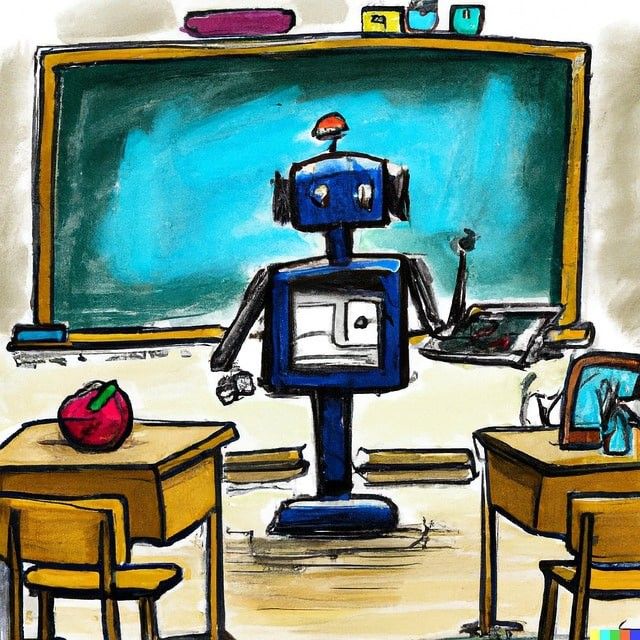
Despite the rapid growth of edtech globally, challenges related to access and holistic learning persist. While edtech excels in cognitive learning, it falls short in addressing social, emotional, and ethical development, underscoring the need for a more comprehensive approach to education.
Education policymakers must prioritize equity and holistic learning in integrating AI and edtech into the education system. By recognizing and addressing existing weaknesses, AI and edtech can enhance the learning experience for students without overshadowing the importance of traditional teaching methods.