US lawyer sanctioned after being caught using ChatGPT for court filings
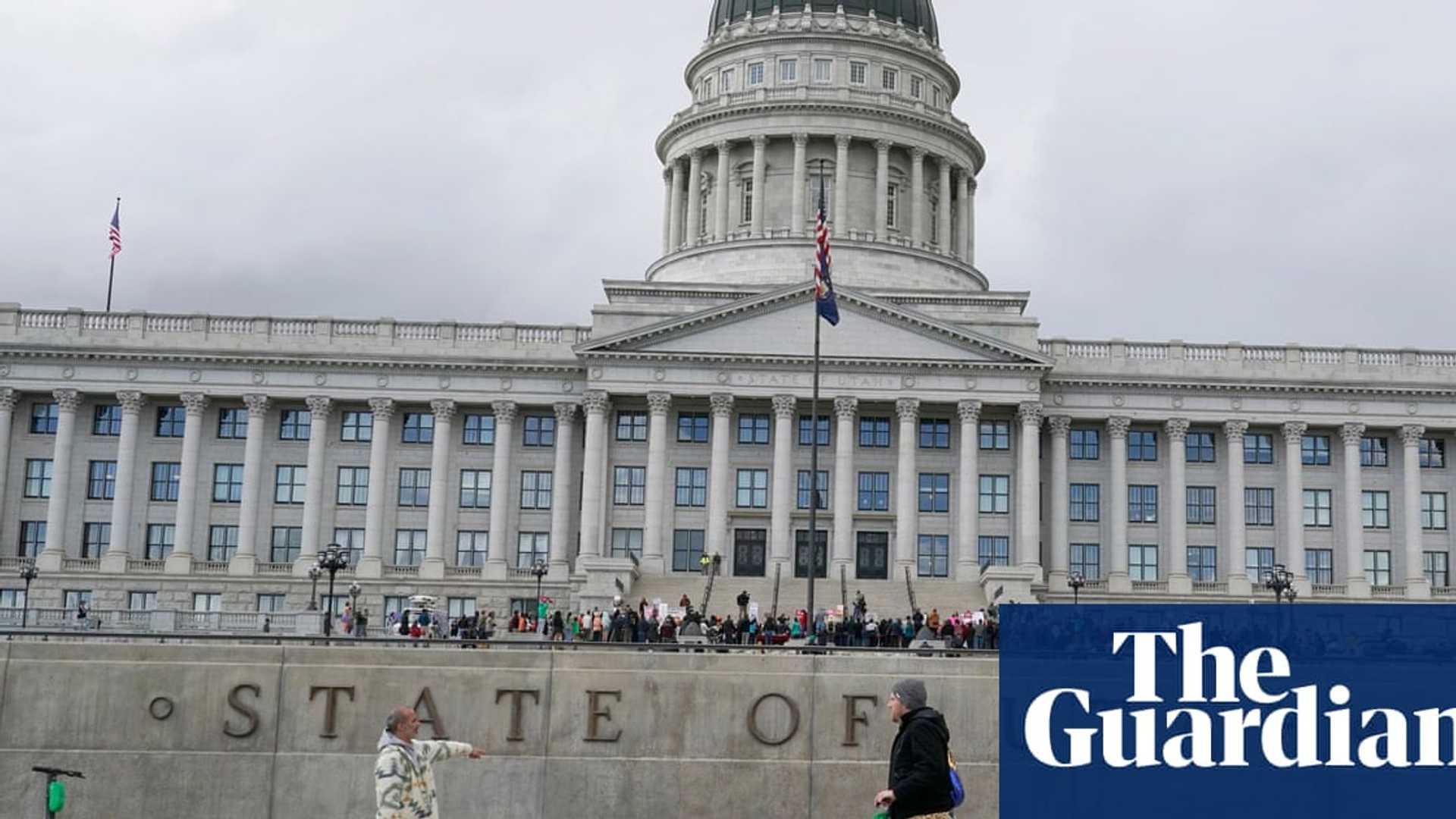
Richard Bednar, a lawyer in Utah, faced sanctions from the court of appeals after it was revealed that he used ChatGPT in a legal filing that contained false citations, including references to a nonexistent court case.
Discovery of False Citations
The Utah court of appeals took action against Bednar following a filing that included inaccuracies. The legal brief, prepared by a law clerk and submitted by Bednar and Douglas Durbano, was found to have misleading citations by the respondent's counsel. It was noted that some sections of the petition seemed to be AI-generated, with citations to non-existent cases sourced from ChatGPT and references to irrelevant cases.
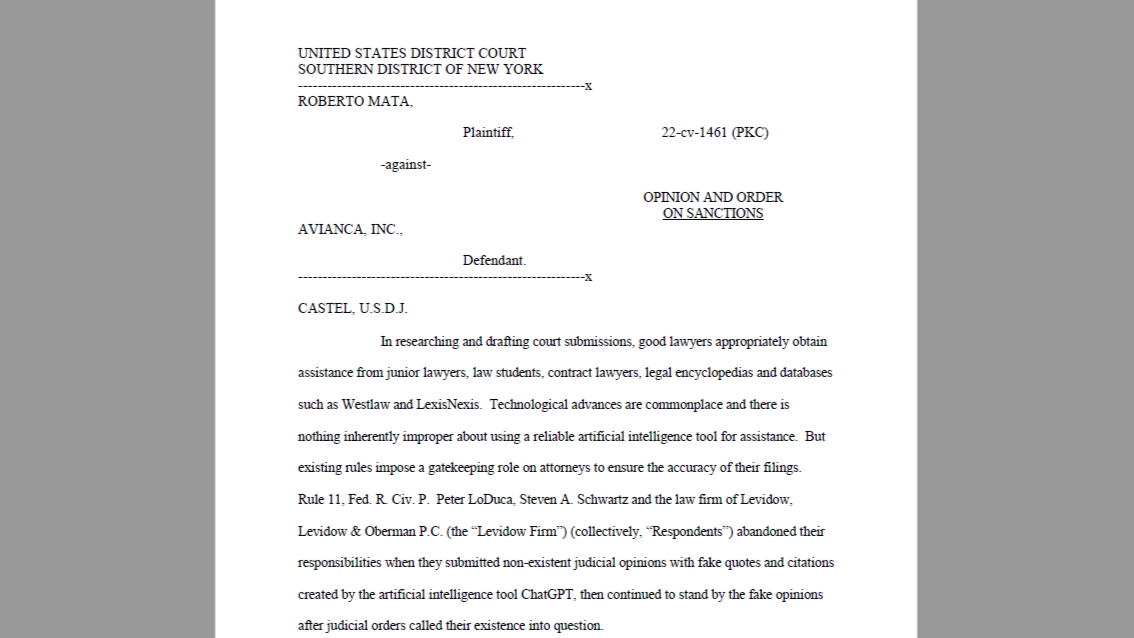
One such fabricated case mentioned in the brief was titled "Royer v Nelson," a case that did not exist in any legal database. Upon uncovering these inaccuracies, Bednar admitted to the errors and issued an apology.
Admission and Apology
During a court hearing, Bednar and his attorney acknowledged the use of fabricated legal references obtained from ChatGPT in the petition. They took responsibility for the inaccuracies present in the filing, mentioning that an unlicensed law clerk who was later terminated had written the brief without proper verification.
Bednar expressed willingness to cover related attorney fees and acknowledged his failure to independently verify the accuracy of the filing before submission. His co-counsel, Durbano, was not involved in the creation of the petition.
Consequences and Resolution
As a result of the false citations, Bednar was directed to pay the respondent's attorney fees for the petition and hearing. He was also required to reimburse client fees related to the filing and hearing preparation, in addition to making a charitable contribution of $1,000 to the legal non-profit And Justice for All.
In response to the incident, the Utah court of appeals highlighted the evolving role of AI in legal research but emphasized the duty of attorneys to verify the accuracy of their filings. The episode serves as a reminder for legal professionals to uphold their responsibilities in maintaining the integrity of court submissions.
Sources: The Guardian - Utah, ABC4 News - Utah lawyer filing ChatGPT