In psychotherapists vs. ChatGPT contest, the latter wins, new study reveals...
A recent study has shown that in a contest between psychotherapists and ChatGPT, an AI-powered chatbot, the latter emerged as the preferred choice for individuals seeking mental health support. This groundbreaking research sheds light on the growing role of artificial intelligence in the field of therapy and counseling.
The Rise of ChatGPT in Mental Health Support
Traditional psychotherapy has long been the primary method for addressing mental health concerns. However, with the advancement of technology, online platforms and chatbots have become increasingly popular in providing support and guidance to those in need. ChatGPT, powered by advanced AI algorithms, offers a confidential and accessible way for users to communicate their thoughts and feelings.
Unlike traditional therapy sessions that are bound by time and availability, ChatGPT provides instantaneous responses round the clock. This feature makes it especially appealing to individuals who require immediate support or are unable to access in-person therapy.
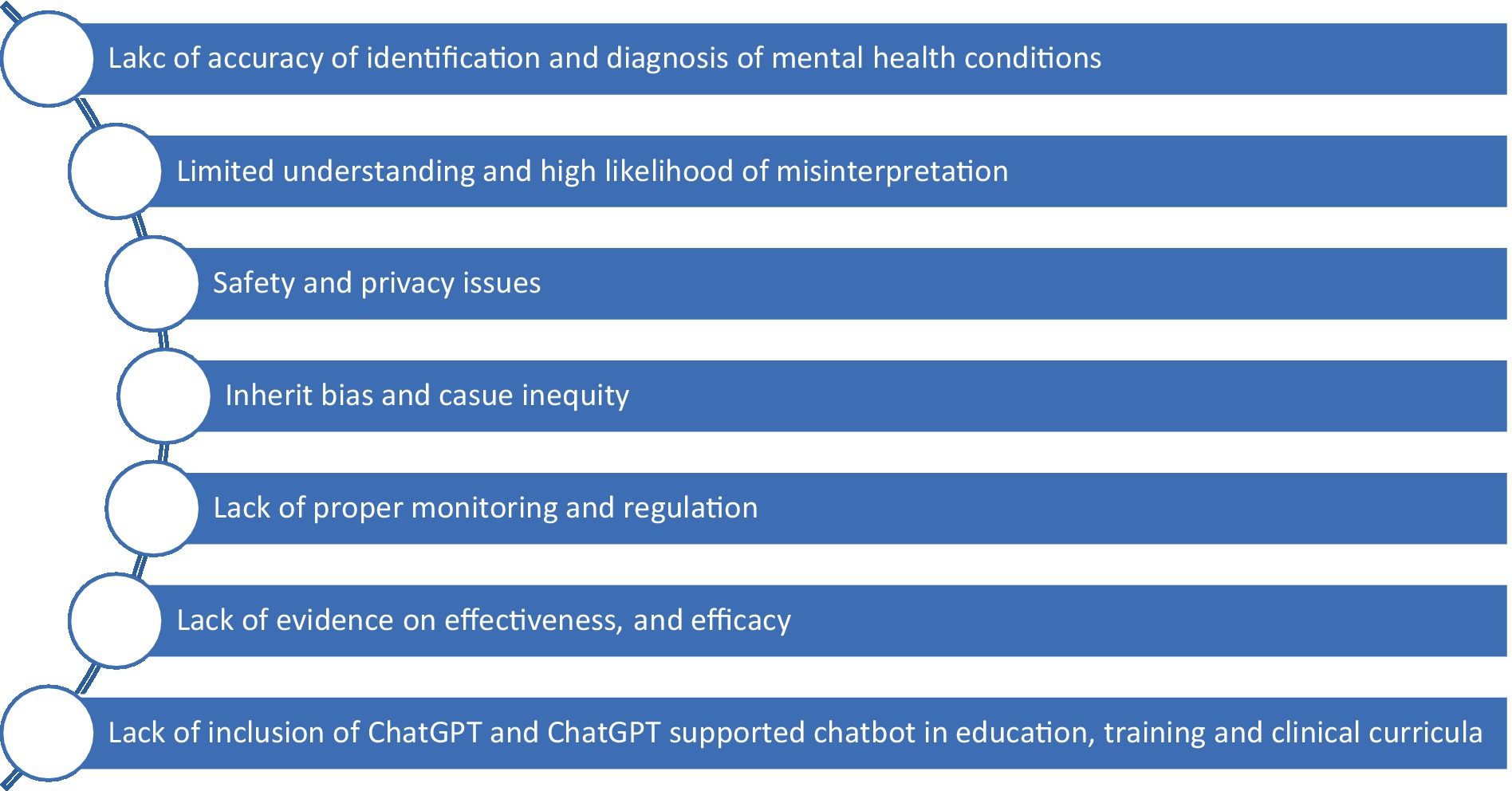
The Study Results
The study compared the effectiveness of psychotherapists and ChatGPT in addressing common mental health issues such as anxiety, depression, and stress. Participants were asked to interact with both human therapists and the AI chatbot over a period of time and provide feedback on their experiences.
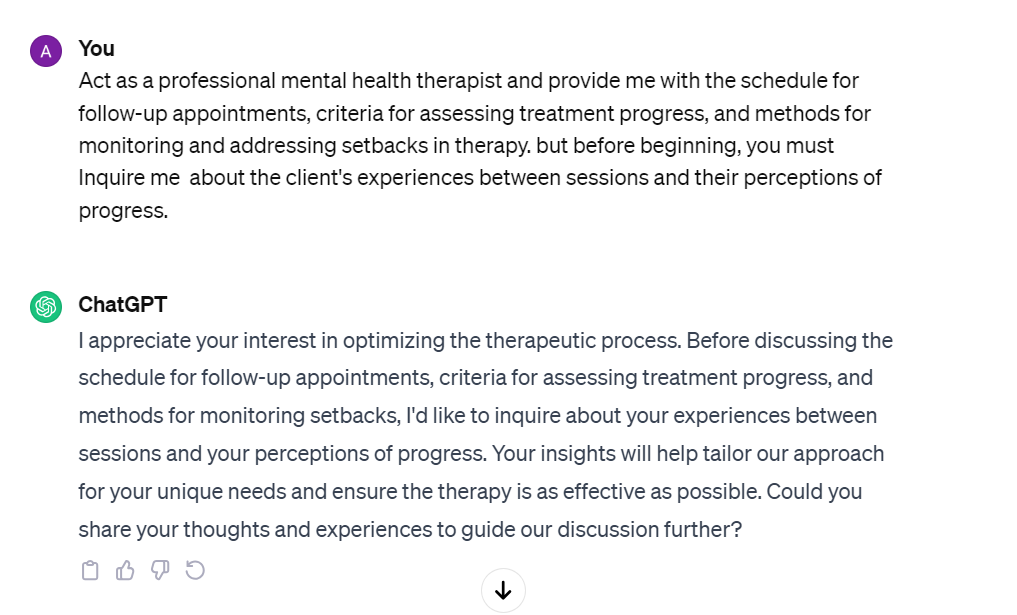
Surprisingly, the majority of participants expressed a preference for ChatGPT, citing reasons such as convenience, anonymity, and non-judgmental responses. Many users also reported feeling more at ease when communicating with the AI chatbot compared to human therapists.
The Future of Mental Health Care
As technology continues to advance, the role of AI in mental health support is likely to expand. While traditional therapy will always have its place, the convenience and accessibility offered by AI-powered platforms cannot be denied. It is essential for mental health professionals to embrace these innovations and explore how they can complement traditional therapeutic approaches.

Overall, the study highlights the potential of AI chatbots like ChatGPT in providing valuable support to individuals in need of mental health assistance. As the field continues to evolve, it is crucial to adapt to these changes and leverage technology to improve the well-being of those seeking help.