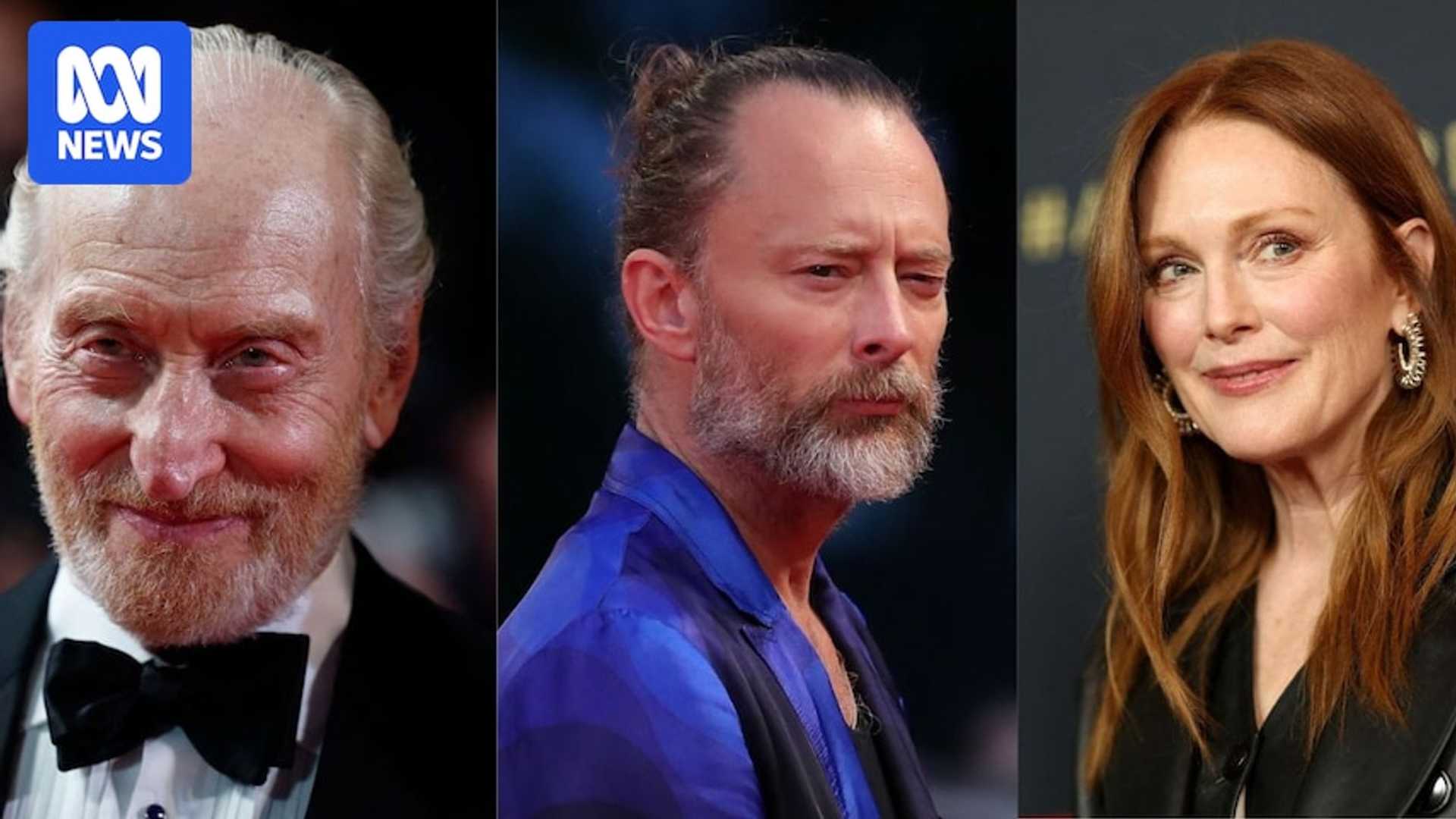
Tens of thousands of creatives sign petition against unlicensed AI training
More than 50,000 creatives, including prominent figures like actor Charles Dance, musician Thom Yorke, and actress Julianne Moore, have signed a petition against the unlicensed use of creative works to train artificial intelligence (AI) models. The petition, known as the Statement on AI Training, was initiated to address the harmful repercussions of using creative work without permission or compensation to train AI.
Legal Battles and Concerns
The statement highlights that millions of pirated books have been utilized to train AI models, leading to ongoing legal disputes between artists, writers, musicians, and tech companies. These creatives argue that the unauthorized use of their work to train AI models poses a significant threat to their livelihoods.
High-Profile Support
Notable personalities such as actors Charles Dance and Julianne Moore, writers Emily St John Mandel and Jeffrey Archer, and musicians Thom Yorke and Roger Daltrey have joined the cause. The statement emphasizes the importance of protecting the rights of creators and preventing the exploitation of their work for AI development.
Meta's Controversy
Tech giant Meta faced backlash for using pirated books by Australian authors to train its AI language model. The company's actions have sparked criticism and legal actions from the creative community, questioning the ethical implications of using copyrighted material without authorization.

Government Response and Advocacy
Federal Arts Minister Tony Burke condemned the unlicensed use of creatives' work for AI training, emphasizing the need for global collaboration to address the issue. Artists and organizations, including the Australian Society of Authors, are advocating for legislative measures to protect creators and ensure fair compensation for the use of their work in AI development.
Call for Regulation
Creative professionals, including authors like Jennifer Mills, are calling for regulations that mandate tech companies to obtain licenses for using creative works in AI training. The aim is to establish a framework that upholds the rights of artists and provides them with proper compensation for their contributions.

We acknowledge the efforts of creatives worldwide in standing against the unauthorized use of their work for AI training. It is essential to prioritize the protection of intellectual property and support the creative community in the face of technological advancements.