Meta AI brings meaning to NPC characters, makes them smart
A recent patent application has uncovered plans to revolutionize non-player characters (NPCs) in video games, giving them the ability to speak and behave realistically using Large Language Models (LLMs) and GenAI. Historically, NPCs have been criticized for their robotic interactions and lack of intelligence, often breaking immersion for players.
AI-powered Realism
The company formerly known as Facebook, now Meta, aims to transform NPCs into more lifelike entities by leveraging advanced AI technologies. By using LLMs, NPCs can engage in convincing conversations, adapt their behavior, and even build relationships with players in virtual environments. This innovative approach allows NPCs to learn from user interactions and tailor their responses based on the current engagement.
Meta's patent application addresses the limitations of traditional NPCs, particularly their inability to handle unexpected scenarios. By implementing AI-driven solutions, such as GenAI and natural language processing, NPCs can generate real-time responses that align with the game's narrative, creating a more immersive experience for players.
Enhanced Interactions
One key feature of Meta's proposed system is the elimination of static dialogue trees, which previously restricted the topics NPCs could discuss. With the use of GenAI and LLMs, NPCs can now respond dynamically to in-game events, offering personalized interactions that reflect the unfolding story.
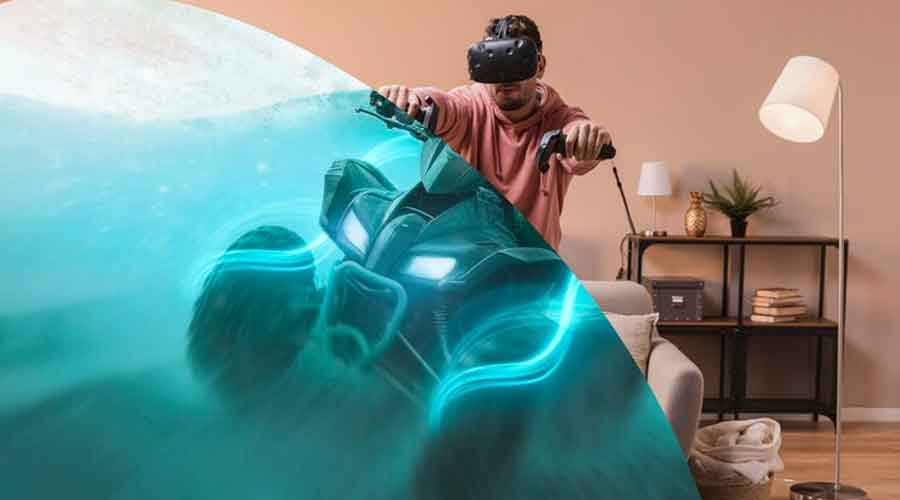
For example, a shopkeeper NPC can engage in meaningful conversations with customers, enhancing the overall gaming experience. By incorporating generative responses, NPCs can exhibit emotions, adapt their behavior based on mood, and drive the game's narrative forward through interactive dialogue.
Empowering Developers
Meta's toolkit empowers developers to create NPCs that simulate real conversations and exhibit human-like behaviors. By providing NPCs with world-level knowledge and the ability to respond to player actions, developers can design more engaging and interactive gaming experiences.
Furthermore, the perception system within the toolkit allows NPCs to express emotions, show attentiveness to players, and deliver stage directions that propel the story forward. This level of sophistication not only enhances immersion but also enriches the overall gameplay dynamics.

Looking Ahead
As Meta pioneers the next generation of AI-powered NPCs, players can expect more dynamic and engaging interactions within virtual environments. By combining advanced AI technologies with immersive storytelling, Meta aims to redefine the role of NPCs in video games and virtual reality.
To explore the detailed patent application by Meta, visit the USPTO website and search for patent number 20250037391 (US-20250037391-A1).