
AI in Newsrooms: Transforming Journalism - Datatunnel
In the modern landscape of journalism, artificial intelligence (AI) has entrenched itself in newsrooms worldwide, regardless of format—be it print, digital, or broadcast. The advent of generative AI tools has made such technologies more accessible, empowering a broader range of organizations to explore their capabilities. Previously, only a select few entities could bear the expenses and select staffing necessary for AI implementation.
Prominent Integration of AI
Prominent news organizations have integrated AI in innovative ways. For example, The Washington Post employs Heliograf, which generates concise reports on sports and finance using structured data. Similarly, Reuters’ News Tracer harnesses machine learning to swiftly detect breaking news and evaluate its reliability. Furthermore, Corriere della Sera utilizes AI to produce audio versions of its written content.
Exploring AI's Role in Journalism
Since 2019, the London School of Economics (LSE), alongside POLIS and the Google News Initiative, has explored AI’s role in journalism through the Generating Change survey. The latest report offers insights from more than 100 news outlets across 46 countries, revealing that 90% of respondents utilize generative AI in news production and nearly 75% for data gathering.
Diverse Functions of AI
While early applications of AI centered around generating brief updates on finance or sports, the technology’s evolution has led to its use in diverse functions. Today, generative AI aids in proofreading, natural language processing (NLP), fact-checking, and optimizing headlines. Notably, it enhances efficiency in generating summaries and newsletters, while also being employed in tasks like translation and content quality improvement.

Implications of AI in Content Distribution
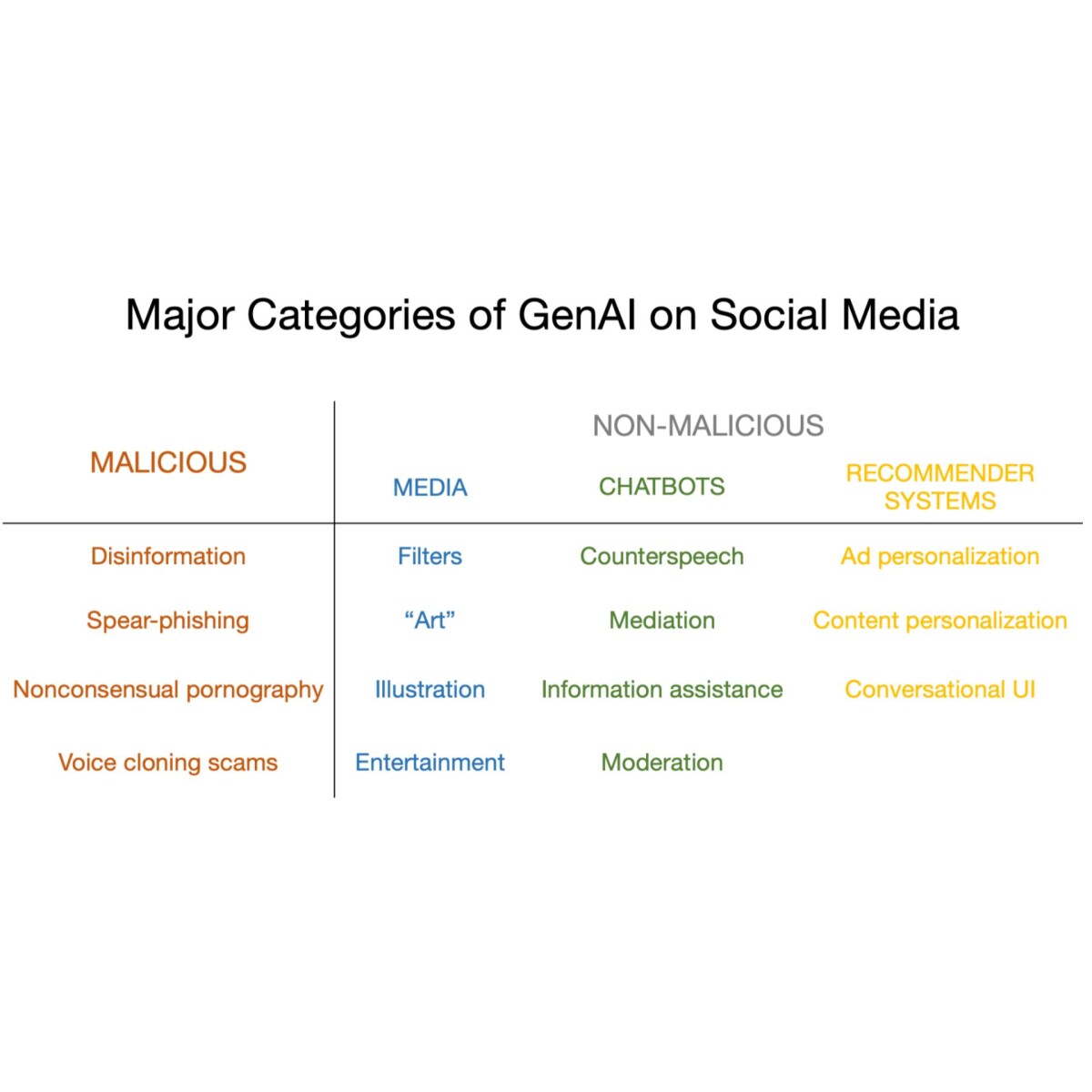
The implications of AI extend to content distribution and audience engagement as well. AI-powered recommendation systems tailor content delivery to individual preferences, while tools streamline social media management and ensure adherence to language conventions. Chatbots on platforms like WhatsApp help disseminate news effectively, while SEO tools assist authors in optimizing their keyword strategies.
AI in Newsgathering
AI’s value in newsgathering lies in its ability to process various media formats and discern patterns in extensive documentation. Speech-to-text applications improve media conversion, while data collection tools such as Dataminr and RapidMiner facilitate effective research. Despite more than half of survey respondents acknowledging efficiency as a key benefit of AI, challenges like language limitations and regional dialect issues remain. Moreover, integrating AI tools with existing workflows continues to present hurdles for many newsrooms.

Enabling Efficiency and Personalization
AI’s advent in journalism has opened avenues for enhancing efficiency, enabling journalists to devote more time to creative pursuits. Over one-third of respondents express hopes that these innovations will also foster audience personalization. As newsrooms navigate the evolving landscape, the integration of AI stands as a significant step forward, promising to redefine future journalistic practices.