
ChatGPT for HR in 2025: Benefits and Practical Use Cases
ChatGPT has been gaining significant traction as a generative AI model, offering vast potential across various industries. Its application in human resources (HR) departments has proven to be highly beneficial, revolutionizing traditional HR processes and enhancing overall efficiency and employee experience.
Understanding ChatGPT in HR
ChatGPT, powered by artificial intelligence and natural language processing (NLP), provides context-specific, humanlike responses to user queries. Unlike traditional chatbots, ChatGPT generates paragraphs of personalized content, including bulleted and numbered lists, thereby improving the relevance and effectiveness of responses.
With its ability to understand natural language in context, ChatGPT surpasses basic chatbots that rely on keywords and phrases, leading to more meaningful interactions. This has significant implications for HR functions, where precise communication and personalized responses are crucial.
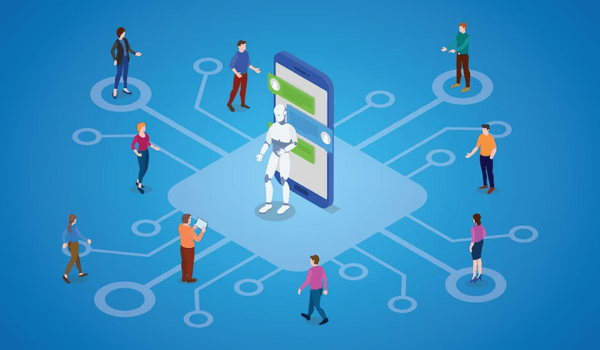
Practical Applications of ChatGPT in HR
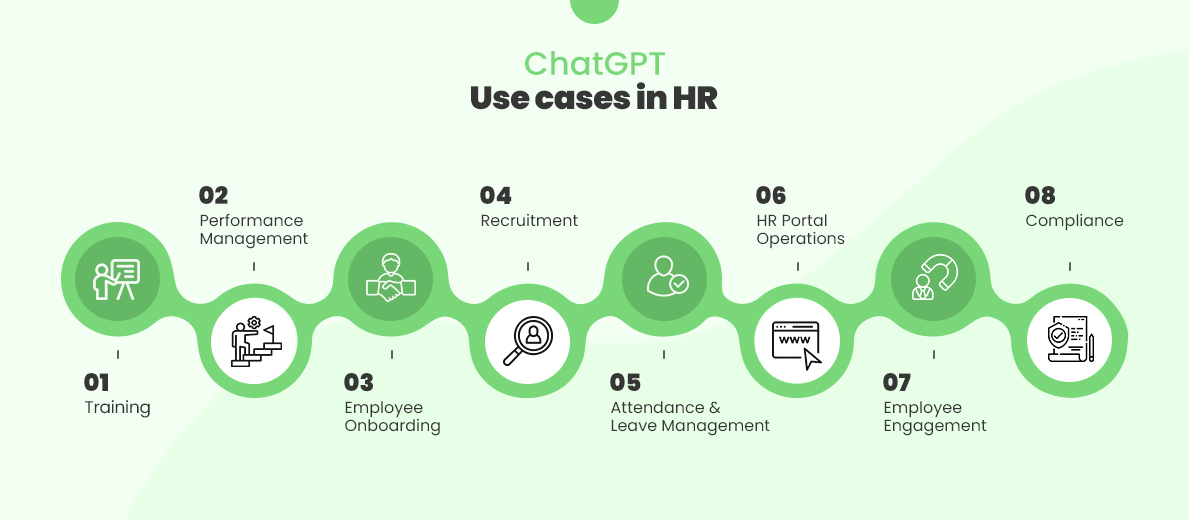
In the evolving HR landscape, ChatGPT is reshaping processes such as job description creation, candidate screening, employee onboarding, and communication. By automating routine tasks and providing tailored responses, ChatGPT enables HR departments to focus on strategic activities, ultimately enhancing operational efficiency and employee satisfaction.
Automating Job Postings
ChatGPT streamlines the job posting process by generating initial drafts of job descriptions based on specific prompts. By providing detailed instructions, HR professionals can obtain more relevant and comprehensive content, reducing the need for extensive editing and revision.
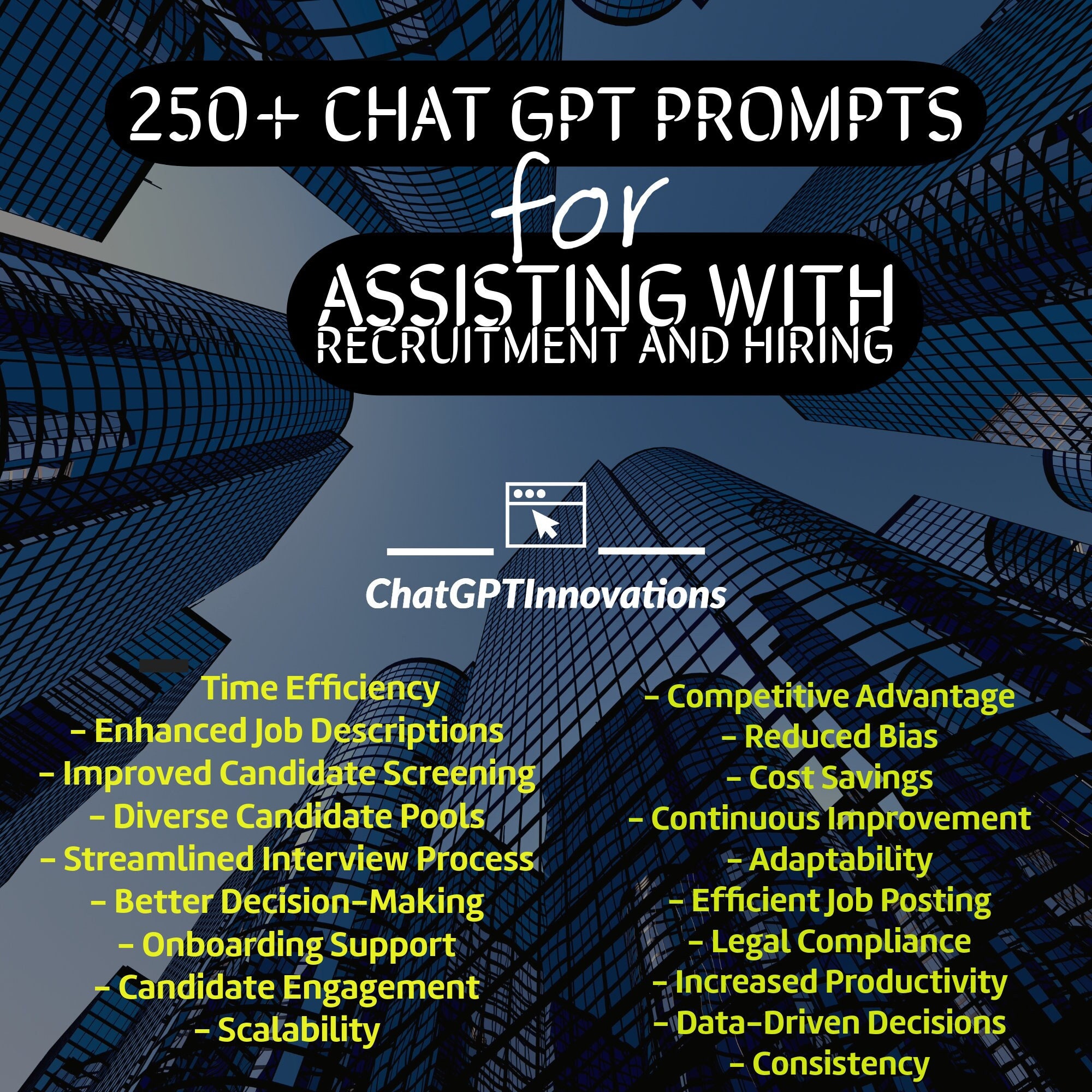
Moreover, ChatGPT can assist in researching average salaries and benefits information, offering valuable insights for recruitment and compensation strategies.
Efficient Candidate Screening
Through prescreen questions and automated responses, ChatGPT simplifies the sourcing and interview scheduling process, saving time and improving the candidate experience. In the future, it may even conduct screening interviews and assessments, optimizing decision-making for HR teams.
Enhanced Employee Support
Implementing an internal help desk powered by ChatGPT enhances employee access to information and reduces the burden on HR personnel. By offering self-help resources and AI-driven assistance, organizations can improve support efficiency and employee satisfaction.
Performance Evaluation and Feedback
ChatGPT aids in creating performance goal outlines and competency guides for employee assessments, streamlining the feedback process. HR professionals can leverage AI-generated templates to identify trends and enhance performance management practices.

Internal Communication and Documentation
From drafting internal documents to crafting announcements, ChatGPT simplifies content creation by providing templates and tailored responses. HR departments can utilize AI-generated content for various communication purposes, ensuring consistency and clarity.
Unlocking the Full Potential of ChatGPT
To maximize the benefits of ChatGPT, organizations are employing 'prompt engineering' strategies to guide AI interactions effectively. Crafting specific prompts and instructions ensures accurate and contextually relevant responses, enhancing the overall user experience.
While prompt engineering is currently valuable, advancements in AI technology may reduce the need for human intervention in the future. HR professionals can leverage well-crafted prompts to tailor outputs and drive meaningful interactions with ChatGPT.
Conclusion
As ChatGPT continues to evolve, its role in HR processes will become increasingly significant, offering innovative solutions for streamlining operations and enhancing employee engagement. By integrating ChatGPT into various HR functions, organizations can navigate the complexities of the modern workplace with efficiency and agility.








