
News / Articles / Articles Details
DOJ vs. Google: How AI Pre-Installation Payments Could Reshape...
The U.S. Department of Justice (DOJ) has reignited its antitrust battle against Google, this time targeting the tech giant’s payments to Samsung Electronics to pre-install its Gemini AI app on smartphones. This latest legal salvo could have profound implications for Google’s market power, Samsung’s revenue streams, and the broader tech industry’s competitive landscape.
The Allegations
The DOJ alleges that Google’s multi-year agreement with Samsung—reported to include fixed monthly payments and a share of Gemini’s ad revenue—is a continuation of its prior anticompetitive tactics. These payments, starting in early 2024 and extending through 2026, mirror Google’s past $8 billion deal with Samsung (2020–2023) to secure default placement for Google Search, Maps, and other services. A 2023 court ruling already deemed such agreements illegal, as they stifled competition by locking rivals like DuckDuckGo or Microsoft’s Bing out of the default search engine slot. Now, the DOJ argues that Google is using similar financial incentives to dominate the AI market, leveraging Samsung’s position as the world’s largest Android smartphone manufacturer.

The DOJ's Demands
The DOJ has demanded sweeping changes to dismantle Google’s dominance:
- Ban Default Placement Deals: Prohibit Google from using financial incentives to secure exclusive or preferential placement of its apps.
- Divest Chrome: Force the sale of Google’s browser, which it claims is a linchpin for maintaining its search monopoly.
- License Search Data: Require Google to share its vast search data with competitors, enabling rivals like OpenAI’s ChatGPT or Microsoft’s Bing to improve their AI models.
Potential Impact
If the DOJ prevails, Google’s revenue streams could face significant disruption. The company derives ~80% of its revenue from search and advertising, and losing preferential treatment on Samsung devices could erode its dominance. A forced Chrome divestiture could also destabilize its ecosystem, impacting Chromebooks and Android’s app distribution.
Investors are watching closely: Google’s stock has underperformed the S&P 500 over the past year, reflecting regulatory and competitive pressures.
Looking Ahead
This case mirrors the DOJ’s 2023 victory against Google’s ad-tech monopoly and the ongoing scrutiny of Meta (META). A ruling in favor of the DOJ could set a precedent, emboldening regulators worldwide to tackle Big Tech’s ecosystem lock-ins.
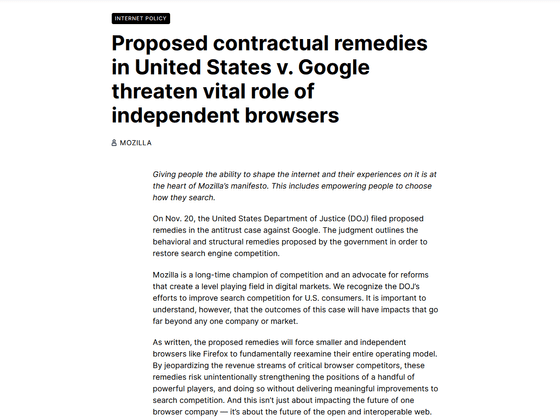
The DOJ’s case against Google is a landmark moment in antitrust history. If successful, it could force a breakup of Google’s AI and search ecosystems, reshaping how tech giants compete in AI and beyond. Investors should prepare for volatility in Google’s stock and watch for opportunities in competitors like Microsoft or Samsung if market access opens up.
However, the path forward is uncertain. The DOJ’s demands—particularly Chrome’s divestiture—face practical and legal hurdles, and Google’s appeal process could delay enforcement. For now, the stakes are clear: this case will define whether regulators can dismantle monopolistic practices in the AI era or whether Big Tech’s dominance persists.

In the end, the outcome may not just affect Google but set the rules for innovation in a $1.3 trillion market—making it a must-watch battle for investors in tech.