
Microsoft, Apple will not join OpenAI's board as regulatory scrutiny ...
Regulators are questioning whether tech giants like Microsoft and Apple exert too much influence over smaller artificial intelligence companies. The two tech behemoths, crucial partners of ChatGPT creator OpenAI, have decided not to hold advisory positions on the company’s board of directors. This move comes as authorities in the United States and Europe intensify their scrutiny of the control that Big Tech firms wield over prominent AI startups.
Microsoft's Involvement with OpenAI
Microsoft, which has injected substantial capital into OpenAI, was granted a nonvoting seat on the board following a significant upheaval in the boardroom. The turmoil ensued after the dismissal and subsequent reinstatement of CEO Sam Altman within a matter of days. On the other hand, Apple was expected to secure an advisory role on the board after striking a deal to incorporate ChatGPT into its products. However, this arrangement will not materialize as OpenAI confirmed the absence of advisory seats on its board moving forward.
Impact of Regulatory Actions
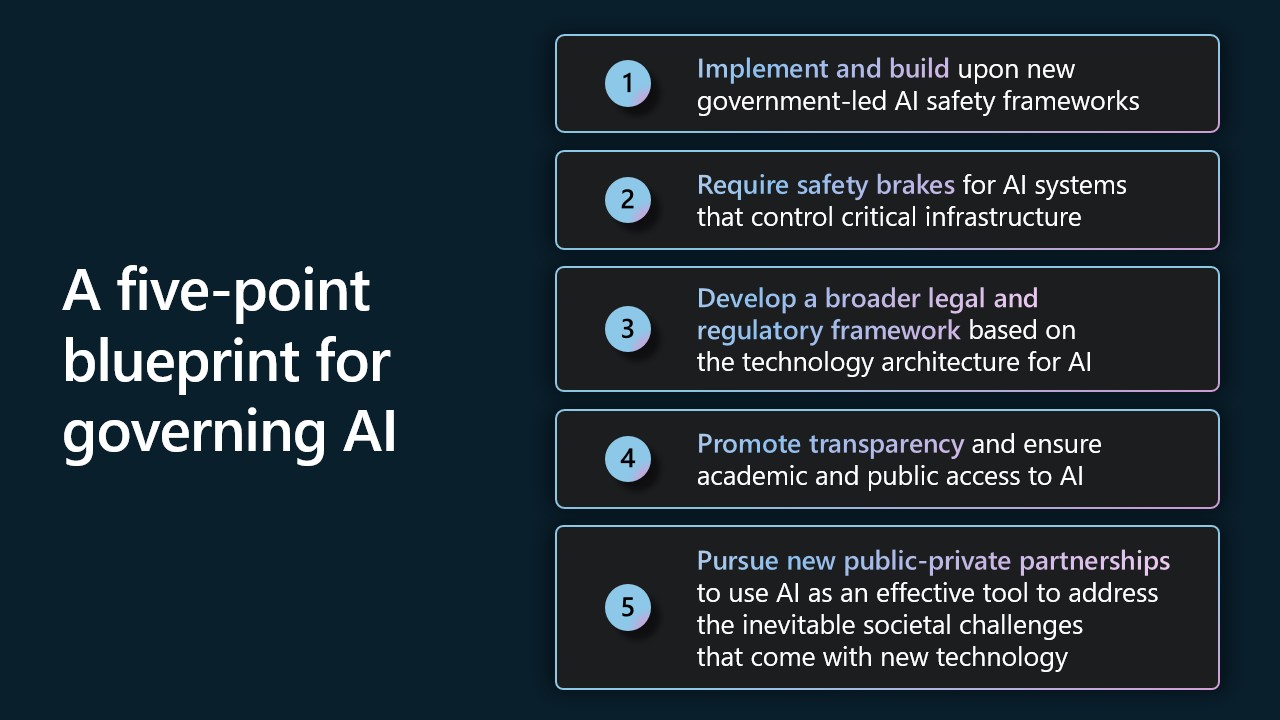
This decision by Microsoft and Apple to step back from formal board roles underscores the growing concern over the relationship between tech giants and AI startups. In light of the escalating regulatory oversight, OpenAI will be organizing regular meetings for its major investors and partners, providing a platform for valuable feedback and guidance from key stakeholders.
Challenges Faced by AI Start-ups
While AI startups like OpenAI and Anthropic have been at the forefront of innovation with technologies like ChatGPT, they heavily rely on investments from major tech corporations due to the exorbitant costs associated with AI development. Notably, Microsoft's substantial investment in OpenAI, along with funding from Google and Amazon for Anthropic, has attracted regulatory attention, particularly from the Federal Trade Commission.
Regulatory Scrutiny and Legal Challenges
Government bodies, such as the FTC, are scrutinizing the investments and partnerships between dominant tech companies and AI firms to assess their impact on competition. The recent agreement between the FTC and the Justice Department sets the stage for a probe into the partnership between Microsoft and OpenAI. This regulatory scrutiny has propelled OpenAI to bolster its legal and regulatory teams to navigate the complexities of the evolving landscape.
Future Prospects and Partnerships
Despite facing legal challenges and regulatory pressures, AI startups like OpenAI are strategically aligning with Big Tech firms to expand their customer base and drive innovation. Collaborations with industry giants offer AI startups access to a vast user network, paving the way for growth and profitability amidst a competitive market.

OpenAI's recent collaboration with Apple and the abandoned advisory roles of Microsoft and Apple signify a shifting dynamic in the AI ecosystem. While these developments reflect the changing landscape of AI partnerships, they also highlight the challenges and opportunities that lie ahead for both AI startups and tech giants.








