
Design Principles for Applications on Azure ( Part 3 ) : Make all Things Redundant
In today’s fast-paced digital landscape, businesses rely heavily on cloud infrastructure to power their operations. However, with great power comes great responsibility. Ensuring high availability, scalability, and fault tolerance is crucial for maintaining a competitive edge. This is where redundancy comes in — a design principle that can make or break your cloud architecture.
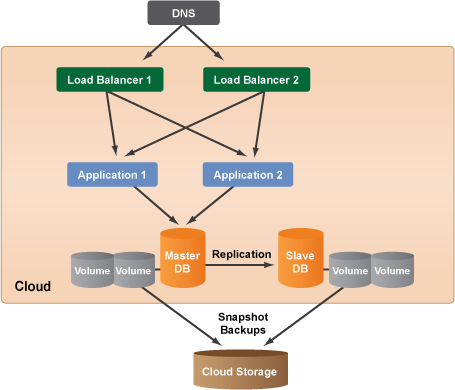
Redundancy, in the context of cloud architecture, refers to the duplication of critical components or systems to ensure that your infrastructure remains operational even in the event of a failure. This can include redundant servers, storage, networks, or even entire data centers.
Imagine you’re going on a hot date, and you’re wearing your favorite pair of shoes. But, oh no! You get a hole in one of them, and your foot starts to poke out. That’s like a single point of failure in your system — it’s embarrassing, and things can quickly go downhill. But, if you have a spare pair of shoes in your bag (redundancy!), you can quickly swap them out, and your date will never even notice the brief toe-exposure incident. Your system stays up, and you can continue to impress your date with your smooth moves. Just like having spare socks, redundancy ensures that when one component fails, another can take its place, keeping your system running smoothly and your users happy!
Importance of Redundancy in Software Design
Redundancy is a crucial aspect of software design that ensures the system’s reliability and availability. By incorporating redundant components, such as multiple servers or network connections, the system can continue to function even if one or more components fail. This not only prevents disruptions in service but also minimizes the potential for data loss. Redundancy also provides a safety net for critical operations, ensuring that the system can recover from unexpected failures and maintain its overall performance.
While auto-scaling groups provide scalability, they don’t inherently guarantee redundancy. To ensure redundancy, you need to:
- Implement redundant components
- Enable cross-region replication
- Prioritize high availability and fault tolerance
In conclusion, redundancy is a critical design principle for building resilient cloud architectures. By understanding the types of redundancy, implementing best practices, and prioritizing high availability, fault tolerance, and scalability, you can ensure your business remains competitive in today’s fast-paced digital landscape.