
Tech giants push to dilute Europe's AI Act
The world’s biggest technology companies are making a final push to convince the European Union to adopt a more lenient approach to regulating artificial intelligence. This effort is driven by the desire to avoid the potential for significant fines amounting to billions of US dollars.
In May, EU lawmakers reached an agreement on the AI Act, which stands as the world’s first comprehensive set of regulations governing AI. However, the specific enforcement of rules pertaining to "general purpose" AI (GPAI) systems, such as OpenAI’s ChatGPT, remains uncertain until the accompanying codes of practice are finalized.
Codes of Practice and Enforcement
The EU has called upon companies, academics, and other stakeholders to participate in drafting the code of practice. Nearly 1,000 applications were received, indicating a high level of interest in the process.
While the AI code of practice will not have legal binding upon its initial implementation next year, it will serve as a guideline for companies to demonstrate their compliance. Failure to adhere to the code could result in legal challenges for companies claiming to follow the law while bypassing the guidelines.
Concerns and Controversies
There are ongoing debates regarding the usage of copyrighted materials by companies like Stability AI and OpenAI to train their AI models without explicit permission from the creators. Under the AI Act, companies will be required to provide detailed summaries of the data used for training their models, which could potentially lead to copyright-related compensations.
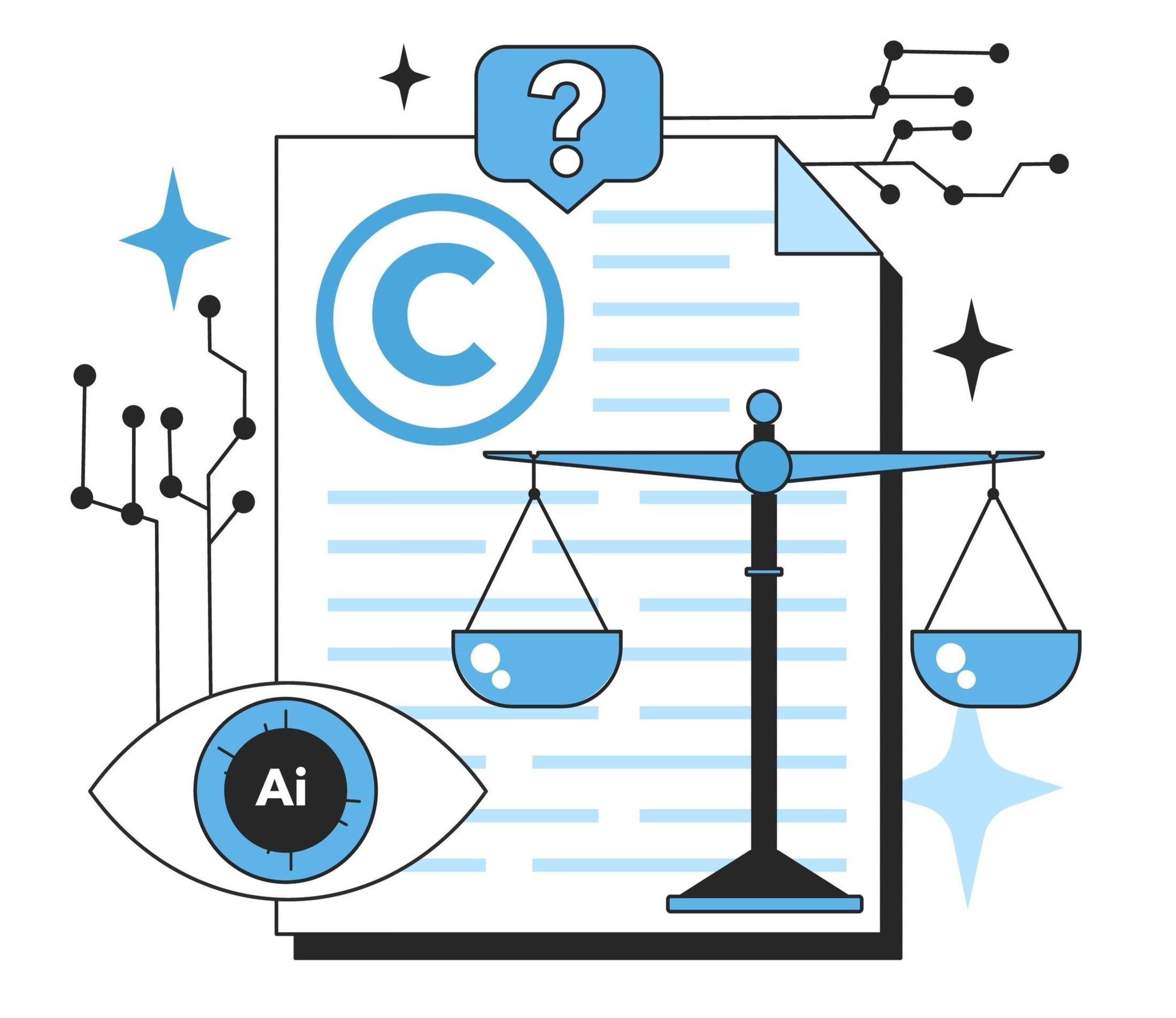
Some industry leaders argue that these summaries should be kept brief to protect trade secrets, while others emphasize the rights of copyright-holders to be informed if their content is utilized without authorization.
Transparency and Accountability
There are concerns about the lack of transparency from certain companies like OpenAI regarding the data used in training their AI models. The AI Act is seen as an opportunity to shed light on this issue and address the opacity surrounding AI technologies.
Notable organizations and industry figures have raised questions about the balance between tech regulation and innovation within the EU. Efforts are being made to find a middle ground that accommodates both objectives.
Future Implications
As the deadline for compliance approaches in August 2025, tech companies will need to align their practices with the regulations outlined in the AI Act and its accompanying codes of practice. The involvement of non-profit organizations in the drafting process signifies a collaborative effort to ensure responsible AI implementation.

It is crucial to uphold important transparency mandates without compromising the integrity of the regulatory framework, especially in the face of potential resistance from major players in the AI industry.